When to use vitamin C serum in your skincare routine


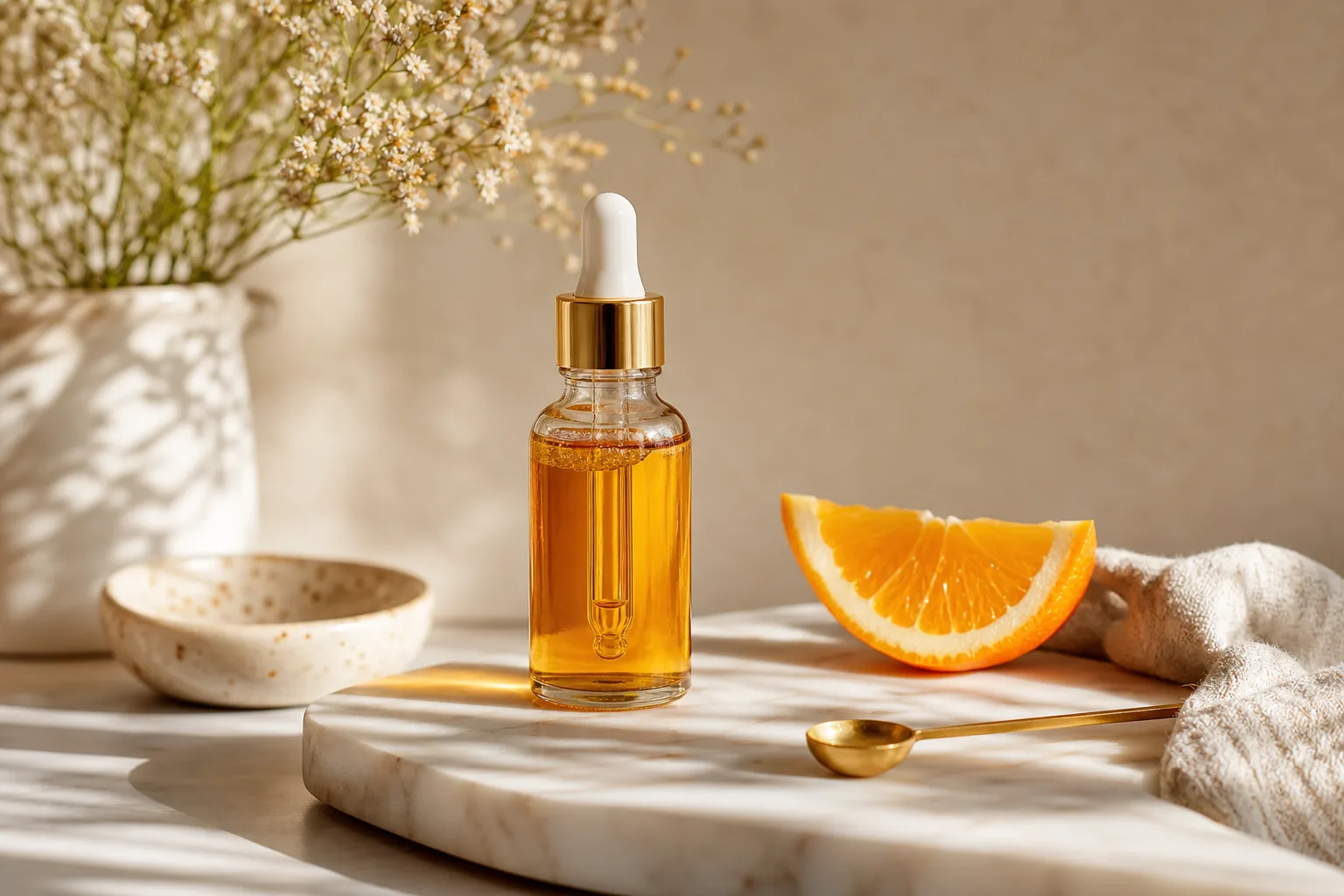
Apply vitamin C serum in the morning after cleansing (and toner) but before moisturizer and sunscreen. It functions as a daytime antioxidant backup to SPF, neutralizing free radicals and helping maintain photoprotection—so timing matters more than ever in a routine already short on minutes.
Use vitamin C at night if your skin proves too reactive to morning application, or if your AM routine is already loaded with hydrating layers. If you layer strong acids or prescription retinoids, separate them from vitamin C by time of day or alternate nights to reduce the risk of irritation.
Why morning is usually best
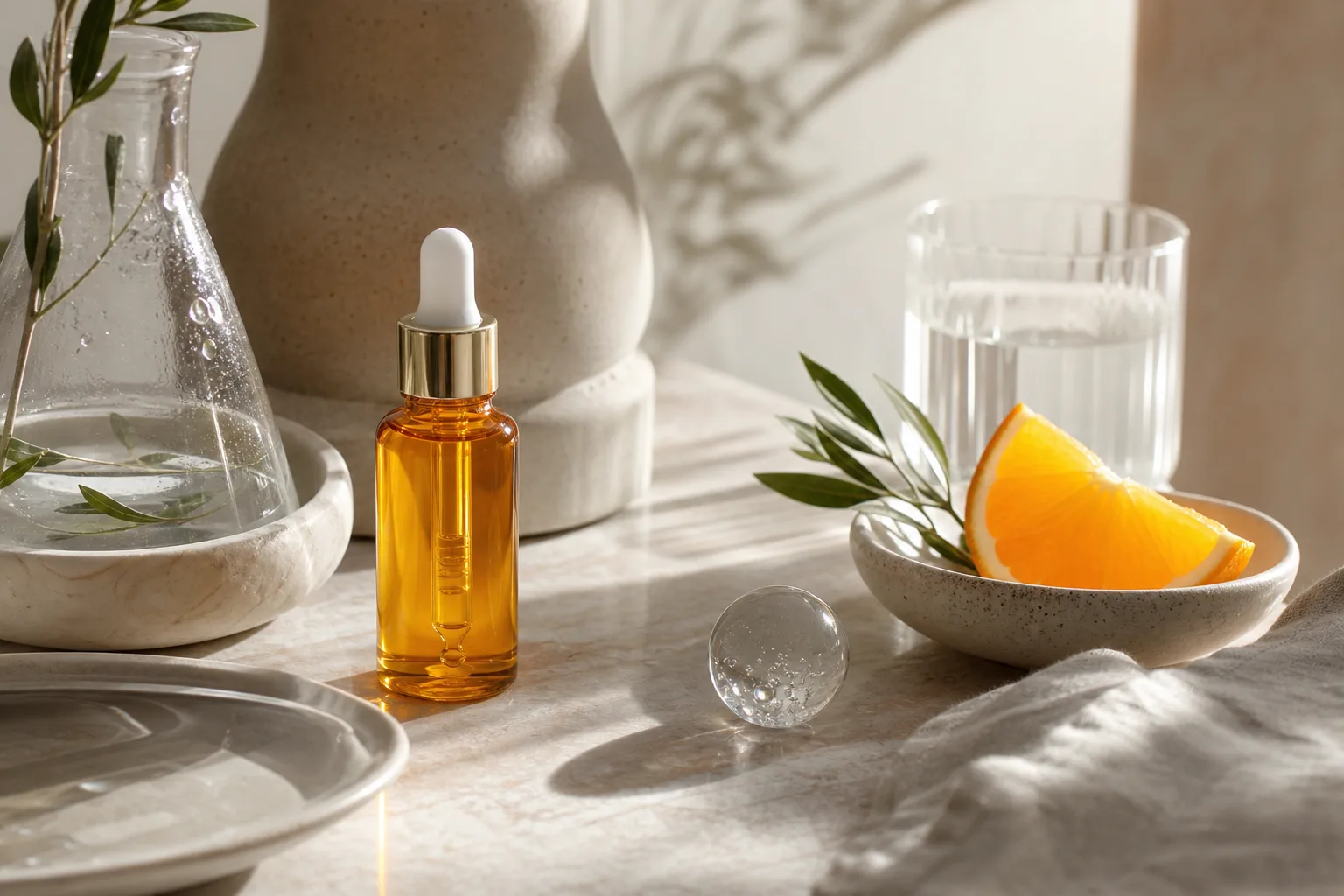
The core rationale for morning vitamin C is simple: it provides antioxidant defense when UV exposure and pollution create free radicals. A morning application acts alongside SPF, offering chemical stabilization of the skin environment so sunscreen isn’t the only barrier working during the day. Practical decision criteria include your lifestyle (outdoor time), tolerance, and the rest of your active stack.
If you commute or spend even short periods outdoors, the AM placement is worth prioritizing. For people with very dry skin who rely on occlusive moisturizers, placing vitamin C earlier—on clean, dry skin—lets the antioxidant absorb before heavier layers slow penetration. Conversely, if your skin reddens easily, trying vitamin C at night for a week lets you assess tolerance without daytime sensitivity concerns.
Where vitamin C sits in your AM layering
Layering vitamin C is about order and simple physics: apply on clean, dry skin so the serum reaches the surface unimpeded. The recommended sequence is cleanser → toner (optional) → vitamin C serum → hydrating serum (if used) → moisturizer → SPF. This order prioritizes lightweight, water-based serums before oils or creams that can block absorption.
If you use a hyaluronic acid primer, apply it after vitamin C unless the hyaluronic serum is extremely thin. Allow 30–60 seconds for the vitamin C serum to settle; it should feel slightly tacky or dry before the next step. Sunscreen always goes last and must be reapplied per the product label—vitamin C is a supportive antioxidant, not a replacement for sunscreen.
| Step | Purpose | Typical texture |
|---|---|---|
| Cleanse | Remove dirt and prep skin | Gel/cream/foam |
| Vitamin C serum | Antioxidant protection | Lightweight liquid/serum |
| Moisturizer | Hydration and barrier support | Cream or lotion |
| SPF | Surface UV protection | Broad-spectrum sunscreen |
For an AM routine that does the most with less, see Solvi’s morning routine guide for compact orders and timing: .
If you have sensitive skin or irritation
When irritation appears—stinging, persistent redness, or flaking—step back and simplify. Start with lower concentrations or stable derivatives, or move the serum to your PM routine until tolerance builds. A useful tolerance-building schedule is every third morning, every other morning, then daily as tolerated.
Avoid applying vitamin C to freshly exfoliated or compromised skin. If you’re using an acid peel, wait 48–72 hours before reintroducing vitamin C in the same area. Sensitive-skin shoppers should consider buffered or derivative forms that are gentler on barrier-compromised skin.
How to pair vitamin C with other actives
Compatibility is about timing and chemical stability. Don’t automatically mix vitamin C with high-strength AHA/BHAs or prescription-strength retinoids on the same application—the overlap raises irritation risk. Two practical strategies work: separate by time of day (vitamin C in AM, retinoid at night) or alternate nights for intensive actives.
Niacinamide doesn’t have to be avoided; a layering method that starts with vitamin C, lets it dry, then follows with niacinamide is usually fine and can be effective for tone and barrier function. If you want deeper guidance on combining niacinamide and vitamin C, see our layering method breakdown: .
Use this short checklist when combining actives:
- Confirm one lightweight active per application if you have reactive skin.
- Prefer AM vitamin C plus PM retinoid for most routines.
- If acne acids are daily, try vitamin C on alternate mornings.
Which vitamin C formats and concentrations to choose
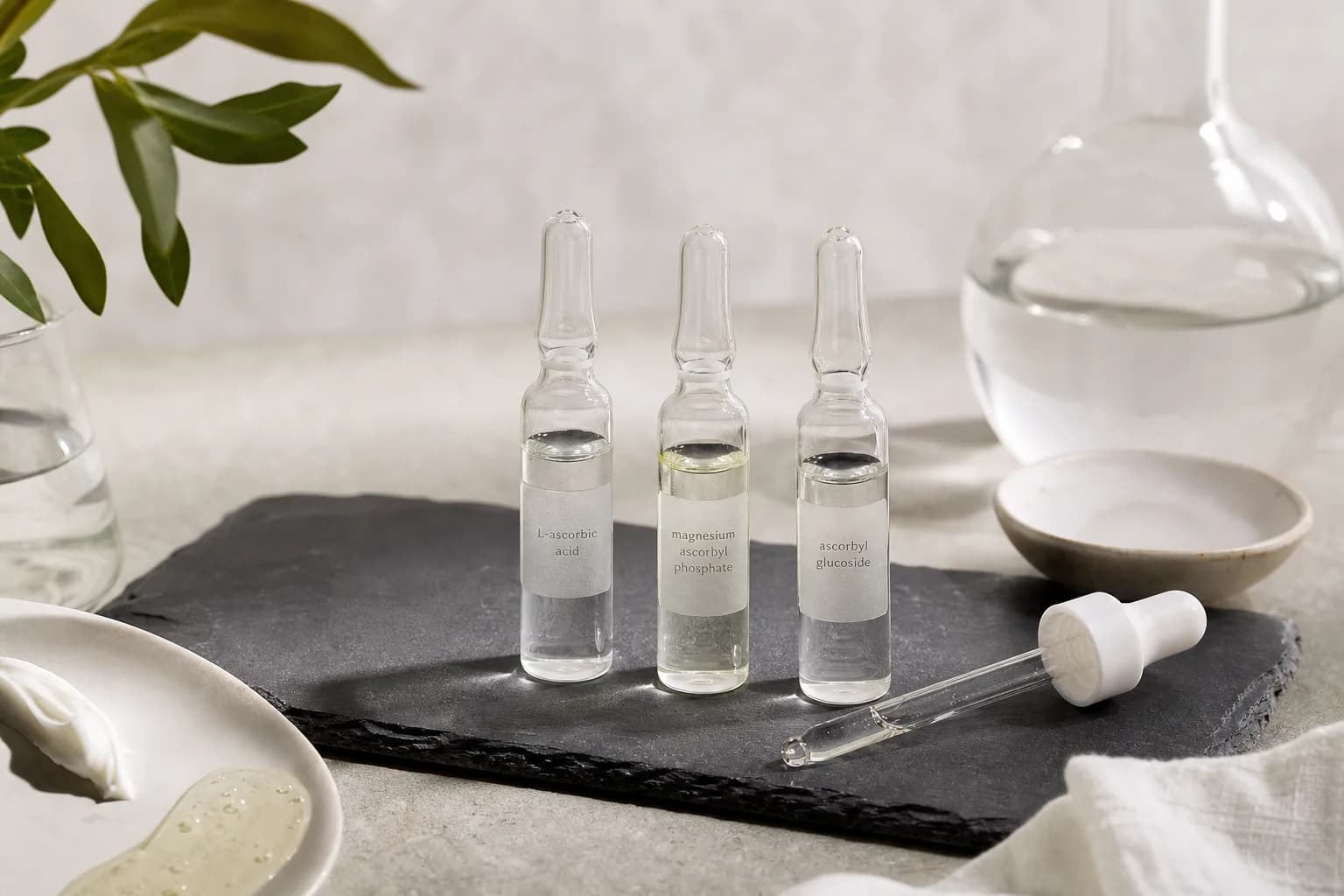
Choosing a format depends on tolerance and desired endpoint: brightening, antioxidant support, or anti‐aging. L‐ascorbic acid (pure vitamin C) is the most studied for antioxidant activity and collagen-support claims but oxidizes faster and can sting sensitive skin. Stable derivatives—magnesium ascorbyl phosphate, sodium ascorbyl phosphate, and ascorbyl glucoside—tend to be gentler and more stable in formulations, though they may convert to active forms more slowly.
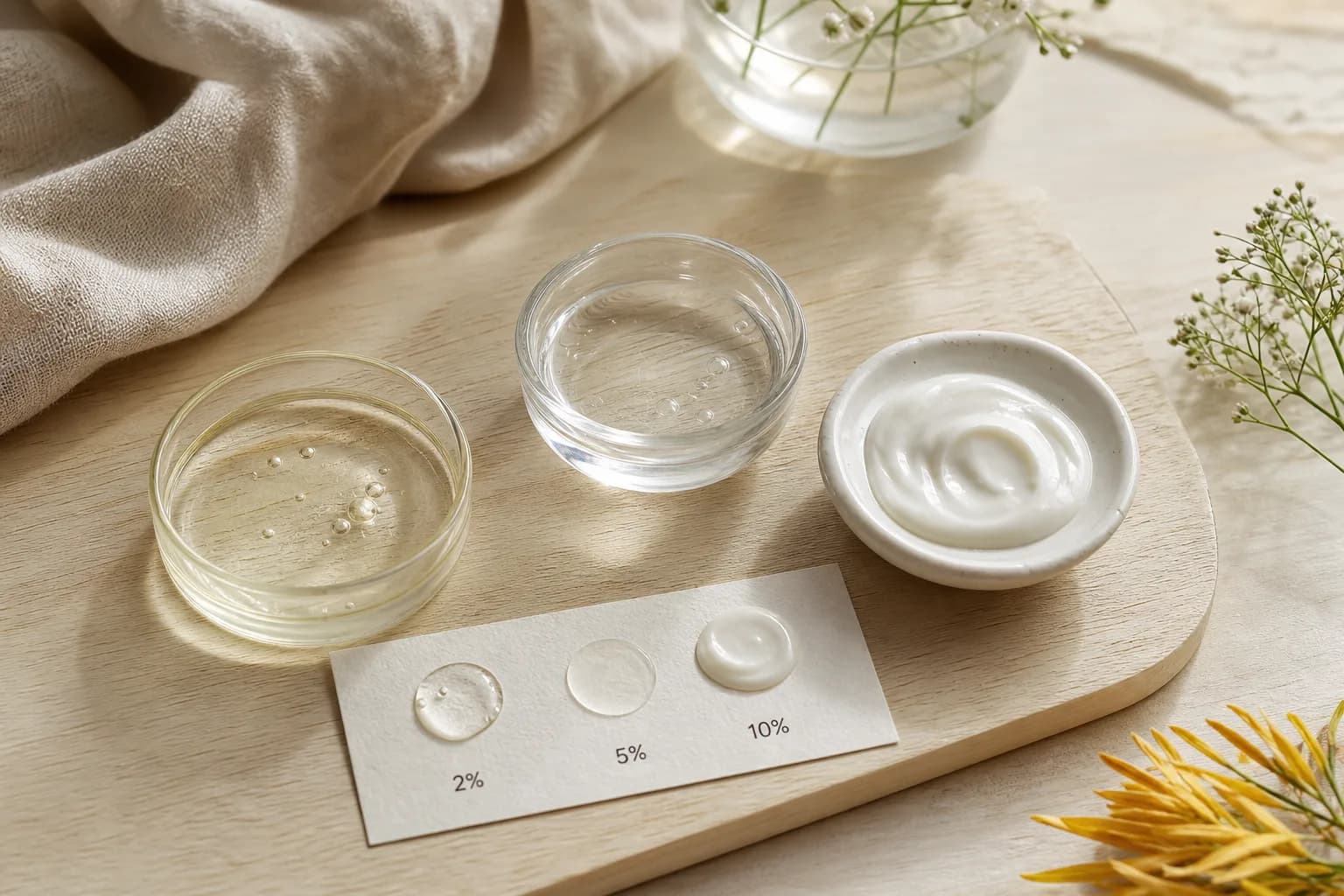
A practical concentration approach: beginners and sensitive skin can start in the 5–10% L‐ascorbic acid range or choose a derivative equivalent; more tolerant skin types often work well with 10–20% L‐ascorbic acid batches. Higher concentration is not always better—beyond a point, increased irritation risks outweigh marginal efficacy gains.
| Form | Best for | Typical concentrations |
|---|---|---|
| L‐ascorbic acid | Rapid antioxidant and collagen support | 10–20% typical |
| Magnesium ascorbyl phosphate | Sensitive or dry skin | 5–10% equivalent |
| Ascorbyl glucoside | Stability-focused routines | 1–5% equivalent |
For more on serum oxidation and shelf life, consult Solvi’s guide on oxidized vitamin C: .
Texture, packaging, and practical tradeoffs
Texture and packaging are less glamorous than active choice, but they control usability and stability. Lighter liquid serums absorb quickly under sunscreen, while thicker emulsions can feel more protective but may slow penetration. Dark, air‐restrictive packaging preserves potency; pump or airless bottles reduce oxidation compared with clear droppers.
If you prefer fuss-free mornings, pick a texture that layers well under your sunscreen and doesn’t pill—test one pump on the back of the hand with your moisturizer before committing. Choose an SPF that plays nicely over your vitamin C: mineral sunscreens sometimes interact with silicones in certain serums, so trial a small area first.
Quick AM routines: three decision-based examples
Practical routines let you act decisively. Below are three routines keyed to common priorities—speed, sensitivity, and active stacking. Each assumes cleanse first.
- Minimalist morning (you want speed): cleanse → vitamin C serum (light liquid) → moisturizer with SPF. Keep steps to three and pick a lightweight serum that sits well under sunscreen.
- Sensitive‐first routine (you need tolerance): cleanse → gentle hydrating toner → vitamin C derivative (low concentration) applied to dry skin → moisturizer → SPF. Use every-other-morning until comfortable.
- Active‐stack routine (you use multiple actives): cleanse (AM) → vitamin C serum → hydrating serum → moisturizer → SPF. Night: retinoid alone (or retinoid + hydrating layers), alternating acids and vitamin C when irritation appears.
These examples mirror practical decisions: if you spend hours outdoors, prioritize AM vitamin C and a reliable SPF. If you’re on multiple actives, use separation and alternation to protect the barrier.
Frequently asked questions
When should I apply vitamin C serum in my routine?
Apply vitamin C in the morning after cleansing (and toner) and before moisturizer and sunscreen. Its role as a daytime antioxidant makes AM placement most practical, though sensitive skin can move it to PM or alternate days to build tolerance.
Can I use vitamin C with niacinamide or retinol?
You can use niacinamide with vitamin C; apply vitamin C first, let it dry, then layer niacinamide. For retinol, separate usage—vitamin C in the AM and retinol at night—or alternate nights to reduce irritation and maintain efficacy.
What if vitamin C irritates my skin?
If irritation occurs, lower the concentration or switch to a stable derivative, use it every other day, or move it to your nighttime routine temporarily. Stop application on compromised skin and reintroduce slowly once the barrier recovers.
Does vitamin C replace sunscreen?
No. Vitamin C is a daytime antioxidant that supplements sunscreen but does not provide sufficient UV protection on its own. Always finish your AM routine with a broad‐spectrum SPF and reapply as the product label directs.
Related Reading
- The best skincare routine for acne: a simple, two-step daily approach
- The best skincare routine for men: simple, repeatable, effective
- How to build a bubble skincare routine that actually works
Sources
- Cleveland Clinic — Vitamin C Serum: Benefits & How to Apply
- American Academy of Dermatology / Cleveland Clinic guidance on layering and timing
- Science & clinic summaries recommending AM placement (Eucerin/Cleveland Clinic summaries)
Clear guidance, checked before publication.
Solvi articles are structured by our editorial team and reviewed for clarity, consistency, and responsible health language. We update pages when guidance or product information changes.

Naomi Chen
Skincare Ingredients Writer. Naomi reads ingredient lists for fun and loves translating formulation language into advice that makes sense at the bathroom mirror. Hydration, barrier care, and sensitive-skin formulas are her favorite rabbit holes.