Best toner for combination sensitive skin: three options, or skip it

The best toner for combination sensitive skin is an optional hydrating step that your skin actually tolerates. CeraVe Hydrating Toner, Paula's Choice CALM Nourishing Milky Toner, and Geek & Gorgeous Liquid Hydration offer three different starting points. If your face feels comfortable after cleansing and moisturizing, you may not need any of them.
An oily nose and sensitive cheeks do not automatically call for an acid toner. Start by deciding whether you want less post-cleansing tightness, a lighter hydrating layer, or simply fewer products. Toner cannot fix a cleanser that repeatedly leaves your skin sore.
Compare three hydrating toners

This selection compares manufacturer descriptions and ingredient lists, not results from testing on volunteers. Check the current packaging, especially when buying across regions.
| Product | What distinguishes it | Useful starting point | Check before buying |
|---|---|---|---|
| CeraVe Hydrating Toner | Lightweight, alcohol-free and fragrance-free; ceramides, hyaluronic acid, niacinamide | You already tolerate niacinamide and want a liquid hydrating layer | The brand positions it for normal-to-dry skin; oily areas may need no extra layer |
| Paula's Choice CALM Nourishing Milky Toner | Milky toner in the brand's sensitive-skin range | You prefer a softer, lotion-like step after washing | A milky layer may feel redundant under a rich moisturizer |
| Geek & Gorgeous Liquid Hydration | Light spray toner with 5% panthenol, allantoin and moisturizing factors; fragrance- and essential-oil-free | You want a very light texture or a choice without niacinamide in its listed formula | A mist format is a preference, not evidence of better tolerance |
Product references: CeraVe Hydrating Toner information, Paula's Choice CALM toner, and Geek & Gorgeous formula and directions. These are alternatives to compare, not three steps to use together.
Decide whether toner has a job in your routine
Write down the problem before you shop. “My cheeks feel tight after washing” points first to the cleanser and moisturizer. “I dislike a thick cream in humid weather” may make a light hydrating layer appealing. “My nose has visible pores” does not establish a need for toner at all.
Try a simple baseline with the cleanser and moisturizer you already tolerate. If that feels comfortable, adding toner is a matter of preference. There is no requirement to complete a cleanse-tone-moisturize sequence.
If your moisturizer itself is the weak link, start with our sensitive-skin moisturizer guide. Spending on a reliable basic product is often more useful than adding another bottle around an uncomfortable one.
Match the texture to your cheeks, not just your nose
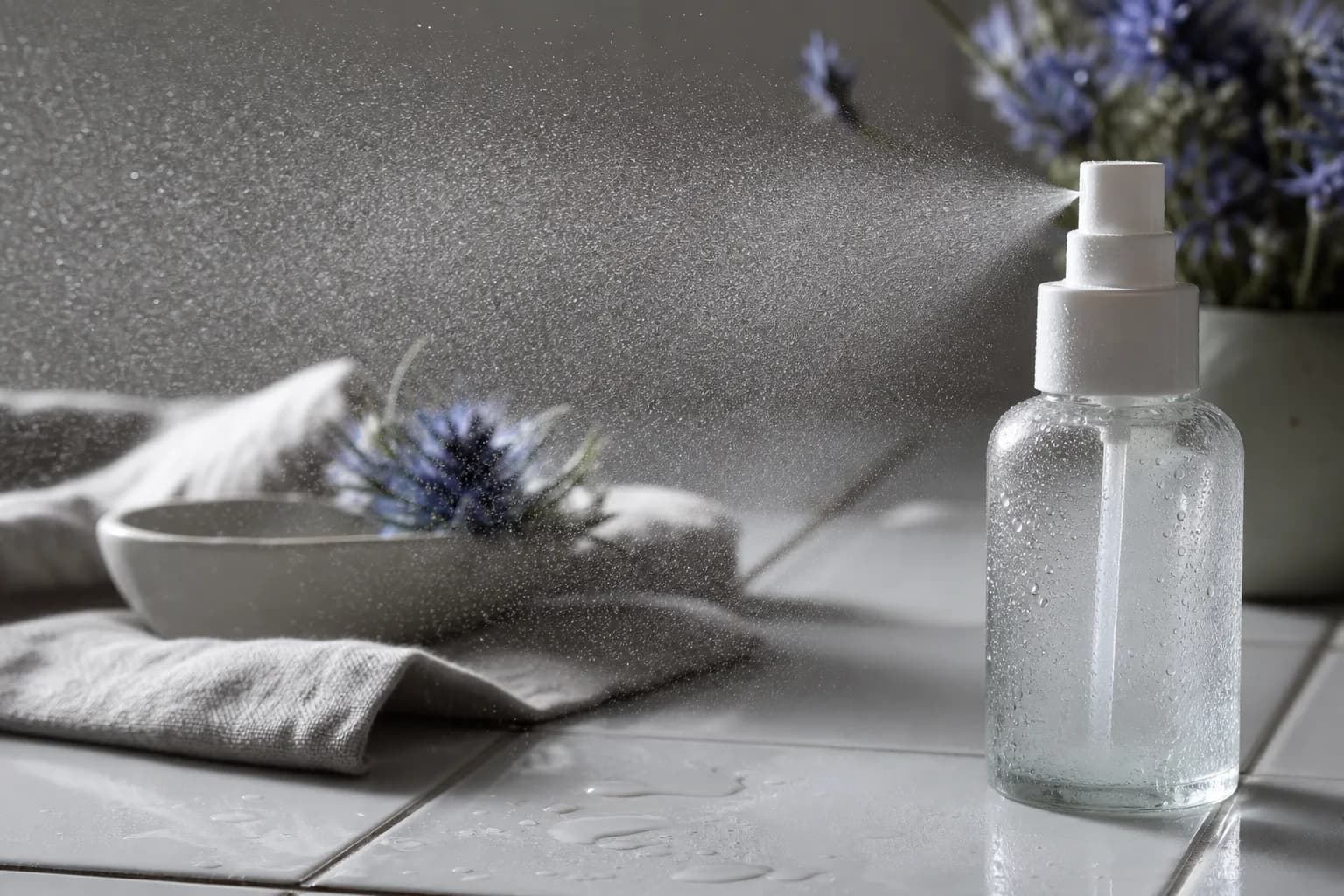
A watery toner and a milky toner can both suit combination skin. The difference is how the extra layer feels alongside the products you already use. Do not assume that a clear liquid is oil-controlling or that an opaque liquid must be heavy.
For example, if a gel moisturizer feels comfortable on your nose but insufficient on your cheeks, applying a little more moisturizer to the cheeks is the simplest experiment. If you dislike that result, a light toner underneath is another option. Change one variable at a time so you know which adjustment helped.
If you enjoy a milky toner but find your morning routine shiny, use it only in the evening or omit another optional hydrating layer. There is no benefit to repeatedly layering toner until every zone feels equally wet.
Read the formula without turning it into a blacklist
For skin that reacts easily, fragrance-free is a sensible filter. Then compare the full ingredient list with products that have caused problems for you. A familiar ingredient you tolerate is more useful information than a claim that a formula is “clean.”
A toner containing niacinamide is not automatically better than one without it. If your serum and moisturizer already contain it, another niacinamide product may be unnecessary. Conversely, an unfamiliar botanical is not automatically dangerous; it simply should not receive a safety pass because it is plant-derived.
Do not require a particular hyaluronic-acid molecular weight or a specific published pH to make an everyday purchase. These isolated details cannot predict the comfort of the whole formula. Nor does a shorter ingredient list guarantee that a product will suit you.
Keep application simple and low friction
Use the product according to its directions after cleansing and before moisturizer. Apply gently; a cotton pad is not an invitation to scrub. If the instructions call for a mist, keep it away from the eyes and avoid deliberately inhaling the spray.
A toner does not need a vitamin C serum, exfoliant, and retinoid after it to become useful. A practical evening can be cleanser, optional toner, moisturizer. The morning still needs appropriate sun protection.
If you use a prescription treatment, follow the instructions supplied with that treatment rather than a universal layering diagram. Some treatments have specific application requirements. Ask the prescriber or pharmacist if an additional leave-on product is making the routine uncomfortable.
For a simpler evening setup, compare night creams for sensitive skin before adding more hydrating steps.
Know when to leave toner out
Stop using a new toner if it causes irritation; repeated stinging is not a necessary adjustment period. A rash, ongoing burning, or persistent redness deserves attention instead of another “calming” purchase.
If you have rosacea, generic toner recommendations may not fit your condition. The AAD's rosacea skincare guidance specifically advises avoiding toners and astringents. Follow a routine appropriate to your diagnosis rather than assuming that the word “sensitive” on a bottle settles the question.
For skin that is both dry and acne-prone, replacing a harsh cleanser and choosing an appropriate dry, sensitive, acne-prone moisturizer may solve more than adding toner.
Make one useful purchase decision
Choose CeraVe if its ingredients fit what you already tolerate and you want a straightforward liquid. Consider CALM if you prefer a milky texture. Consider Liquid Hydration if a light panthenol-based option fits your routine. Skip all three if another hydrating step does not address a real problem.
When possible, start with a smaller size. Compare how your skin feels after the whole routine, not only the refreshing sensation when the toner first touches your face. A pleasant application is worthwhile, but it is not the same as an improvement in ongoing sensitivity.
Frequently asked questions
Do combination skin and sensitivity mean I need two toners?
No. You can leave an optional product off areas that do not benefit from it. Two toners also make it harder to identify the cause if your skin reacts.
Should I choose an exfoliating toner for my oily T-zone?
Not by default. Oiliness alone does not establish a need for exfoliation. If you want to treat acne or clogged pores, choose that treatment deliberately rather than adding acids to a hydration step without a clear reason.
Can toner replace moisturizer?
Sometimes a very light routine feels sufficient, but a toner is not automatically interchangeable with a moisturizer. If your skin stays tight or flaky, reassess the moisturizer and cleanser instead of applying more toner.
Clear guidance, checked before publication.
Solvi articles are structured by our editorial team and reviewed for clarity, consistency, and responsible health language. We update pages when guidance or product information changes.

Zoe Mitchell
Beauty Trends Editor. Zoe keeps a close eye on viral routines, new launches, and the skincare conversations moving fastest online. She asks which trends are useful, which need context, and which can be skipped.