The best shave cream for sensitive skin: a barrier-first guide


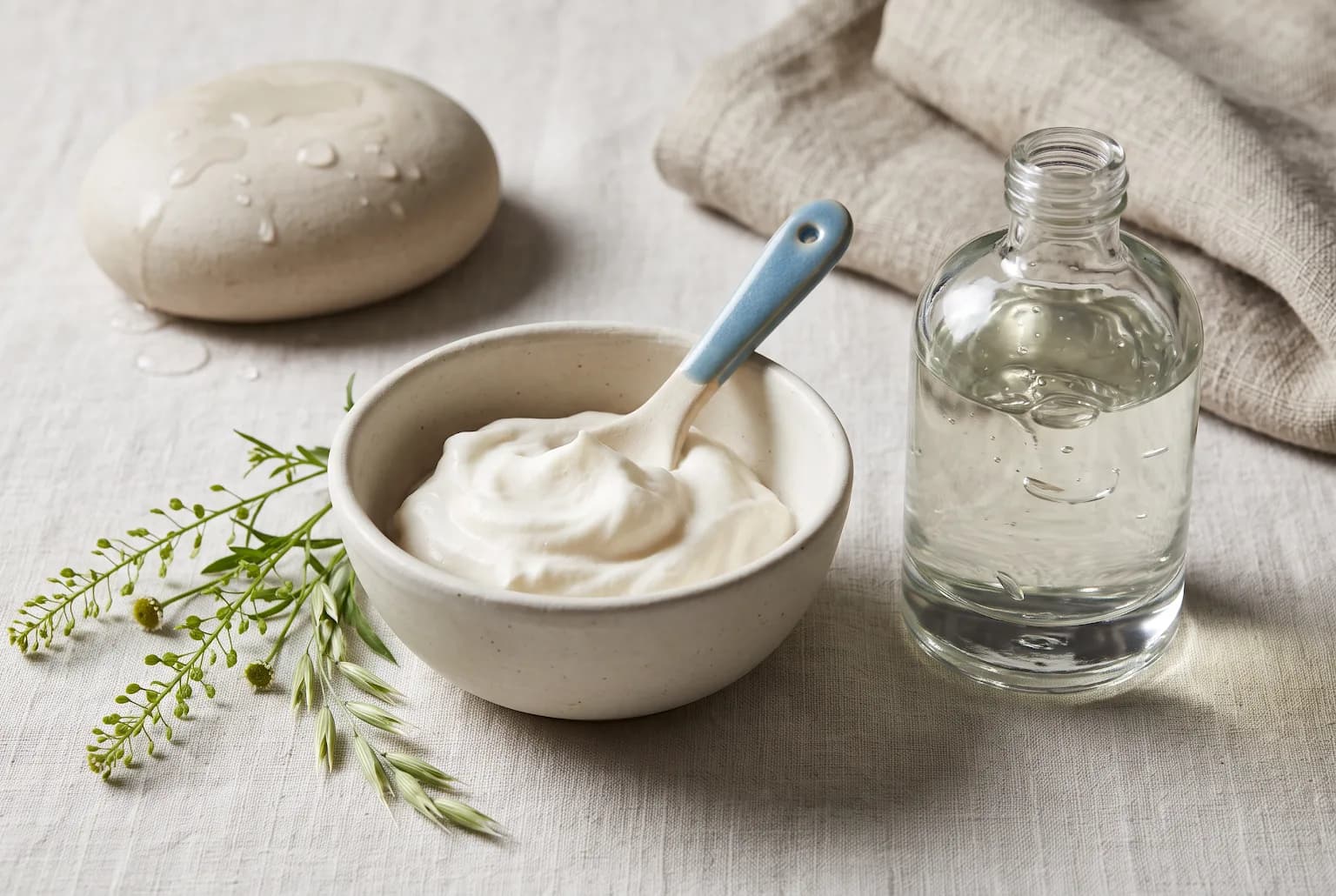
Use a fragrance-free, emollient-rich shave cream or oil labeled for sensitive skin, soften hairs with warm water, use minimal pressure and short strokes, and finish with an alcohol-free soothing moisturizer. The best shave cream for sensitive skin prioritizes cushion and barrier support—glycerin, aloe, and fatty emollients reduce blade drag and the micro-tears that lead to redness.
What to look for in a shave cream
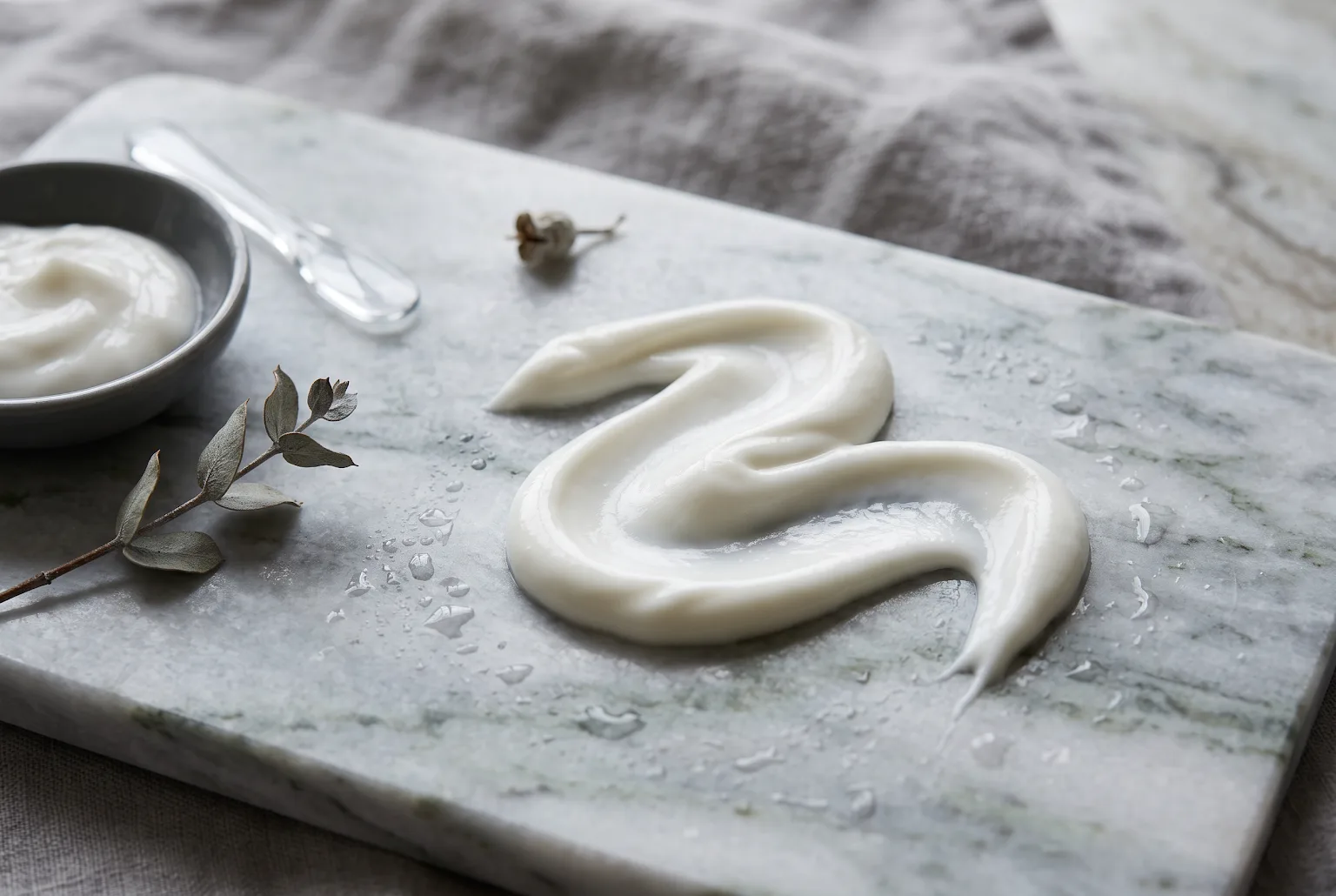
Picking the right product starts with a shortlist of functional must-haves rather than brand hype. Look for a clear label: "fragrance-free" and "for sensitive skin" are useful flags but read the ingredient panel for backing. Prioritize humectants like glycerin and soothing humectants such as aloe, and emollients—shea, squalane, or light esters—that create a slippery film between skin and blade.
Texture matters: creams that whip into a thick cushion reduce friction best for blade razors; translucent gels can be good for visibility if you need to see hair direction; oils or balm creams are optimal when barrier repair is a priority. Avoid formulas that prominently list menthol, denatured alcohol, or heavy perfumes—these are proven irritants for reactive skin. Also check compatibility with your device: some electric razors perform poorly over rich foams.
Creams vs gels vs oils
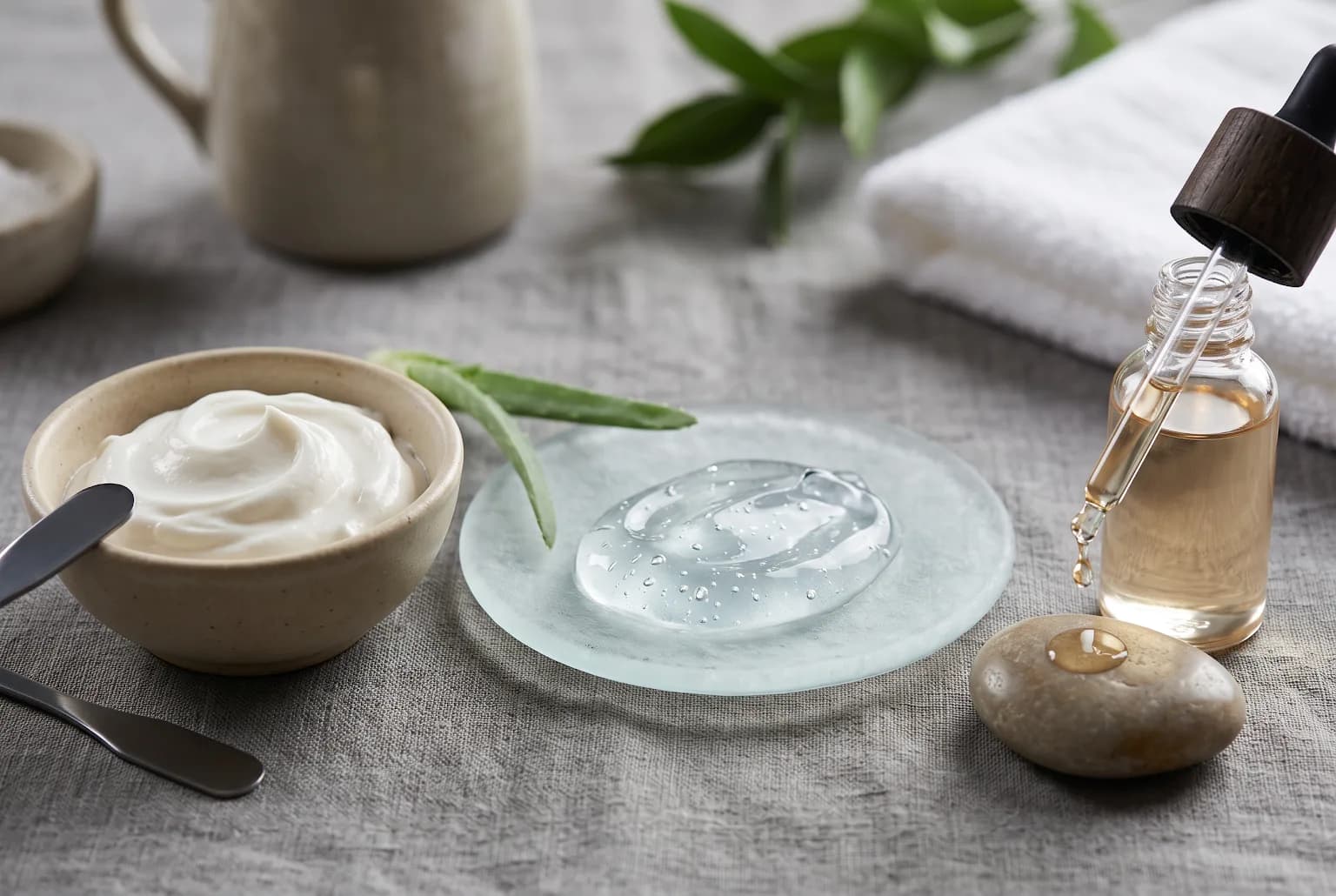
Each format has tradeoffs in cushion, visibility, and residue. A thick, glycerin-rich cream offers the best lubricity for reduction of mechanical irritation; it usually needs a brush, brushless application, or a pea-sized smear. Gels are thinner, easier to spread, and often rinse cleanly—handy for quick morning shaves and for managing fine or sparse beards where seeing skin is helpful. Oils and balm creams deliver the most barrier support and are preferable for very reactive, chronically dry skin but can feel heavier and may gunk up multiple-blade cartridges.
| Format | Texture & cushion | Best when | Tradeoffs |
|---|---|---|---|
| Thick cream | Dense, foamy cushion | Blades, coarse hair, high friction | Can be harder to rinse from razors |
| Gel | Clear, slick film | Quick shaves, visibility, combination skin | Less cushion may increase drag |
| Oil / balm | Slick, sealing layer | Very dry or inflamed skin | Heavier, more residue, may not suit all razors |
Ingredients that calm and shield
A short ingredient checklist helps you separate soothing actives from unnecessary irritants. Glycerin and propanediol attract moisture to the surface and support glide. Soothing botanicals like aloe vera add anti-inflammatory benefit without fragrance. Emollients such as squalane, caprylic/capric triglyceride, or shea butter form a protective film that reduces micro-abrasions from blades.
Steer clear of menthol, strong fragrances, essential oils listed near the top of the ingredient deck, and denatured alcohols. Those ingredients can sting, disrupt the lipid barrier, and amplify post-shave redness. If you have razor bumps or folliculitis, avoid shaving over active lesions—treat the area and wait until inflammation subsides.
How to shave with sensitive skin
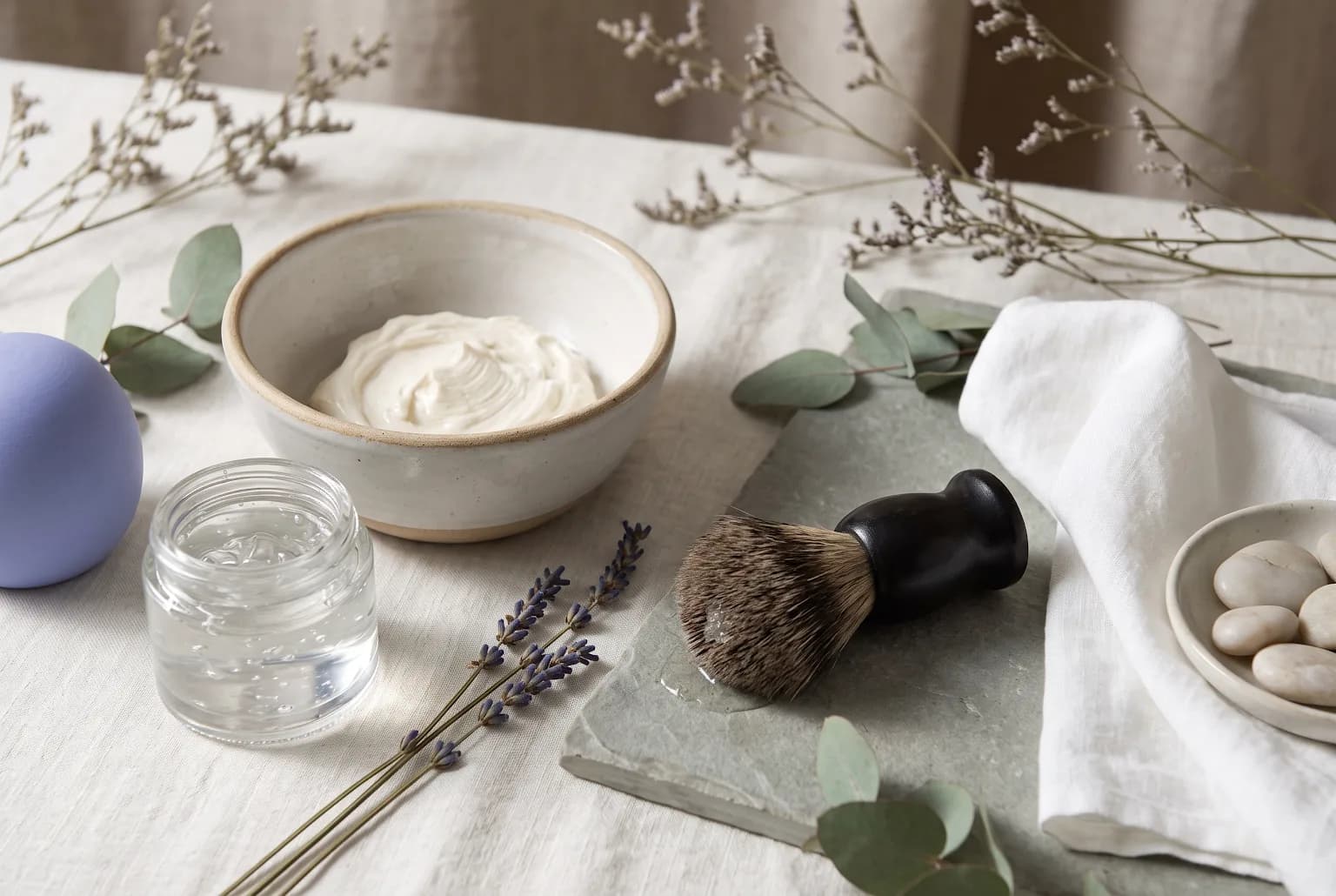
Preparation and technique matter as much as the product you choose. Start by softening hair for a minimum of one minute under warm running water or after a five-minute shower; this relaxes the hair shaft and improves blade glide. Apply a nickel- to quarter-sized amount of cream (adjust by beard density) and massage it into the direction of hair growth to build cushion. Use a sharp blade and short, light strokes—avoid pressing down. Rinse the blade after every one to two strokes to remove clippings and cream build-up.
Routine steps:
- Wash face with a gentle cleanser and warm water to remove oils and debris.
- Soften hair with warm water for 60–120 seconds.
- Apply product; let it sit 20–30 seconds to allow lubrication.
- Shave with the grain in short strokes; reapply product for a second pass if needed.
- Rinse thoroughly, pat dry, and apply an alcohol-free moisturizer.
Common tradeoffs and when to choose what
Deciding among formats comes down to specific priorities. If razor burn and micro-cuts are your main concern, favor cushion and barrier—thick creams or balm‐oils that build a lubricating film are best. If you need precision and speed, a clear gel lets you see the hairline and is easier to rinse. Budget matters: tubes of concentrated cream often last longer than aerosol foams, but premium oils can be costlier per ounce.
Consider your razor type: multi-blade cartridges work well with lubricating creams that rinse clean; electric foil or rotary shavers often require light, non-foaming pre-shave oils or cream designed for electric use. For travel or quick touch-ups, a thin transparent gel can be practical, but keep an alcohol-free moisturizer in your kit for immediate aftercare.
How to evaluate a product before buying
Look beyond marketing copy. Scan the top five ingredients—water, glycerin, an emollient (squalane, caprylic triglyceride), and a mild emulsifier is a good structure for sensitive-skin formulas. Avoid prominent menthol or alcohol near the top of the list. Packaging claims such as "sensitive" are helpful but not definitive; if fragrance is listed anywhere on the panel, skip it.
Quick purchase test list:
- Read the first five ingredients for humectant + emollient.
- Check for fragrance, menthol, or denatured alcohol.
- Confirm compatibility with your razor type on the label.
- Prefer non-aerosol tubes for travel and less propellant exposure.
If you need more context on low‐irritation shopping, consult our longer guide on the Best Shaving Cream for Sensitive Skin: The Low-Irritation Shopping Guide.
Packing the routine: post-shave care and frequency
Aftercare seals the benefits of a low-irritation shave. Rinse thoroughly with cool water to remove product residue and close pore openings mildly. Pat skin dry—do not rub—and apply a lightweight, fragrance-free moisturizer while skin is slightly damp to lock in hydration. Look for ceramide-containing lotions or humectant-forward gels for daytime comfort and richer creams at night for barrier repair.
Avoid alcohol-based aftershaves and heavy fragranced balms that can sting and strip lipids. If you experience frequent razor bumps or pseudofolliculitis, reduce shave frequency and consider trimming instead of daily close shaves; allow the skin to recover between sessions. For a gentle pre-shave cleanse, try pairing the shave with a soothing face wash designed for sensitive skin—read more in our piece on The Best Sensitive Skin Face Wash Starts With a Quieter Cleanse.
Frequently asked questions
What is the best type of shave cream for very sensitive skin?
For very sensitive skin, choose a fragrance-free balm or oil-based cream that emphasizes emollients like squalane or shea and humectants such as glycerin. These formulas form a protective film that minimizes blade-to-skin friction and are less likely to contain volatile irritants. Prefer products labeled for sensitive skin and avoid menthol and alcohol.
Can I use shave gel if I have sensitive skin?
Yes—clear shave gels can be suitable if they are fragrance-free and include humectants or mild emollients. Gels offer good visibility for precision and are quick to rinse, but they typically provide less cushion than thick creams. If you notice tugging or post-shave redness, switch to a cream or oil with more lubricity.
Are shaving oils better than creams for sensitivity?
Shaving oils and balm creams provide strong barrier support and reduce friction effectively, making them an excellent choice for chronically dry or reactive skin. They can leave more residue and may feel heavier, so they’re best when barrier repair is the priority rather than a squeaky-clean finish.
How often should I replace the blade to minimize irritation?
Replace blades as soon as you feel any tugging or when the blade no longer slices cleanly—this might be every 3–10 shaves depending on hair coarseness and maintenance. A dull blade increases friction and the risk of micro-cuts and inflammation; frequent, light passes with a sharp blade are kinder to sensitive skin than multiple passes with a dull one.
Related Reading
- How to choose an eye cream for sensitive skin: a barrier-first guide
- Mineral vs. Chemical Sunscreen for Sensitive Skin: The Formula-First Guide
- The best diapers for sensitive skin: a lab-minded buyer’s guide
Sources
- American Academy of Dermatology — shaving tips for sensitive skin (https://www.aad.org/public/everyday-care/skin-care-basics/hair/how-to-shave)
- NBC Select — dermatologist-backed shaving cream recommendations (https://www.nbcnews.com/select/shopping/best-shaving-creams-ncna1272354)
- Dermatology advice on preventing razor bumps (AAD) (https://www.aad.org/news/how-to-prevent-razor-bumps)
Clear guidance, checked before publication.
Solvi articles are structured by our editorial team and reviewed for clarity, consistency, and responsible health language. We update pages when guidance or product information changes.

Maya Bennett
Senior Beauty Editor. Maya is the skincare obsessive who turns big beauty questions into clear, grounded guidance. She is especially interested in routines that respect real skin, real schedules, and realistic budgets.


