How to decide on Medicube PDRN Pink Peptide Serum


Answer: The Medicube PDRN Pink Peptide Serum centers on PDRN (sodium DNA) plus a copper‐free peptide complex, niacinamide and humectants; it’s marketed for barrier repair and plumping but contains fragrance and marine‐derived ingredients, so patch‐testing is advised. Clinical OTC evidence for PDRN serums is limited versus prescription regenerative treatments, so treat this as a hydrating-plus peptide serum rather than a miracle wound‐repair drug.
This guide breaks down what to read on the label, how texture and fragrance affect layering, who should avoid it or patch test, and a concise buyer checklist that aligns with four decision criteria: ingredient list, texture preference, transparency and skin‐type fit.
What the formula actually contains
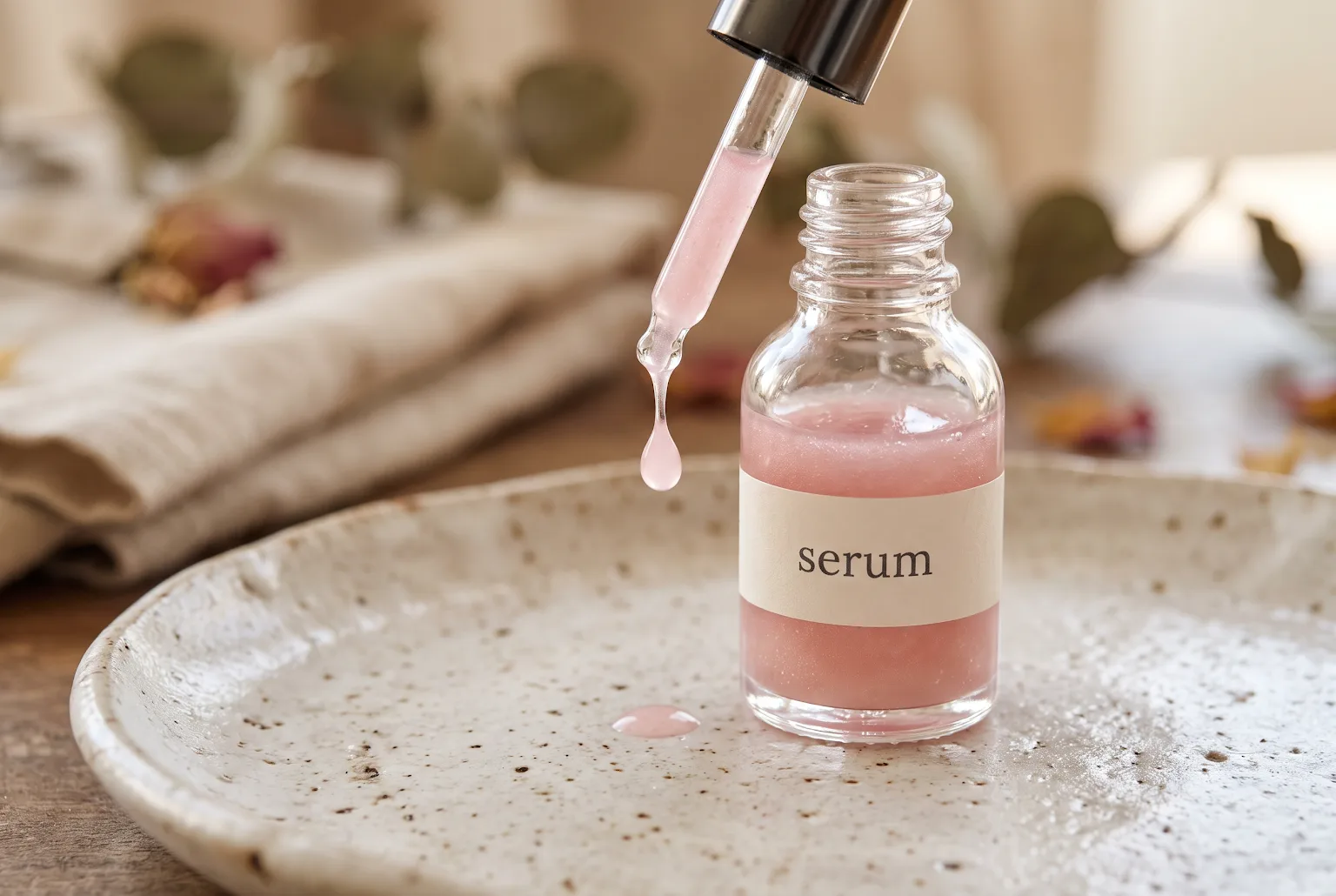
Medicube markets the Pink Peptide Serum around PDRN (listed as sodium DNA) plus a multi‐peptide complex and niacinamide, with additional humectants such as hyaluronic acid salts. The research brief confirms those core actives and flags fragrance and the marine DNA origin. For shopping decisions, parse the INCI to confirm PDRN / sodium DNA is near the top of the list if you want substantive inclusion rather than a trace marketing mention. The formula also includes peptides described as copper‐free, which matters if you pair peptides with copper peptides elsewhere in your routine.
What to look for on the label: placement of Sodium DNA, percentage or concentration hints (rare but sometimes present), the order of niacinamide versus heavy alcohols or occlusives, and the fragrance listing. If the brand provides a full INCI on its product page or manual, compare the sequence to assess whether PDRN is a key ingredient or a smaller additive.
Medicube’s product page and the retail MANUAL list the INCI; use those resources to read the full list before buying. If you want a primer on PDRN as an active class, our standalone explainer covers the science and shopping cues: PDRN Serum: What It Is, What It Can Do, and How to Shop It Smartly.
Texture, layer and routine fit
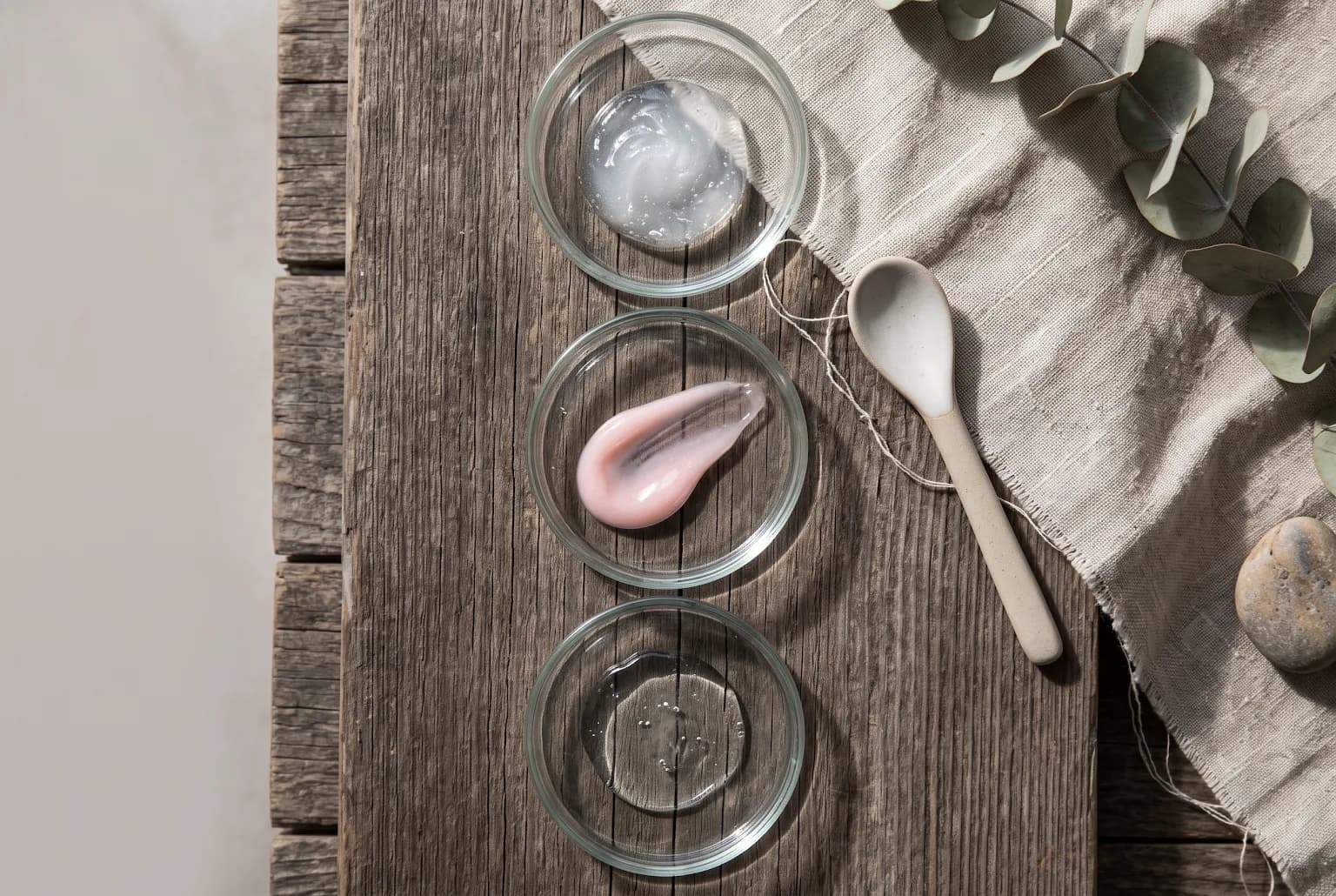
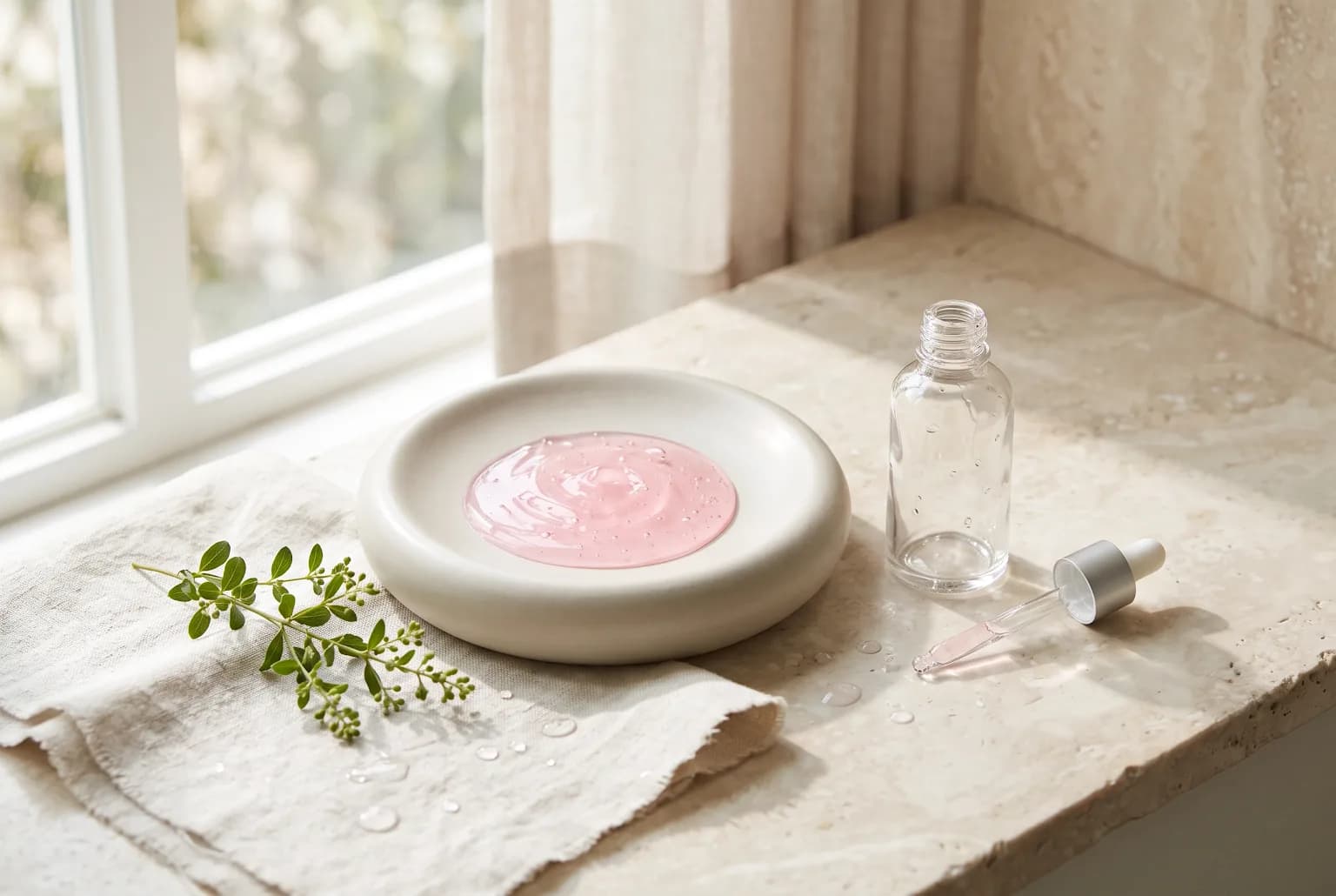
Texture and spreadability determine where this serum sits in a routine and whether it layers well under sunscreen, makeup or a heavier moisturizer. The Medicube PDRN Pink Peptide Serum is described in brand materials as a fuller, slightly viscous pink serum rather than an ultra‐light watery serum; Medicube also offers a separate Ultra Light Serum for people who prefer thinner textures. Choose based on whether you need a hydrating, occlusive step or a lightweight booster.
If your skin is oily and you avoid heavy layers, a thinner hyaluronic serum or the Ultra Light alternative might be a better first‐line pick. For drier or sensitized skin, a slightly viscous serum that leaves a perceptible film can be a positive because it helps trap moisture.
Layering rules to follow: apply water‐based products first (cleansers, toners), then this PDRN serum, let it sink in 30–60 seconds, then apply moisturizer and broad‐spectrum sunscreen in the morning. If you use potent actives (retinoids, exfoliating acids), alternate evenings or patch test combinations to check tolerance. For guidance on choosing a hyaluronic foundation serum tuned to sensitivity, see our guide: How to Choose a Hyaluronic Acid Serum for Sensitive Skin.
How PDRN and peptides are presented and what the evidence says
PDRN (polydeoxyribonucleotide) in cosmetic serums is derived from marine sources and is promoted for support of barrier repair and skin renewal. Over‐the‐counter serums can supply PDRN, but OTC formulations typically differ in concentration and context from prescription or clinic‐administered treatments. The research brief is explicit: clinical data for OTC serum efficacy versus prescription treatments is limited; that is an important framing point when managing expectations.
Peptides often appear as a supporting complex aimed at epidermal signaling and surface plumping. The Medicube blend is described as copper‐free, which is helpful if you already use copper peptides; copper peptides work differently and can be incompatible with some topical antioxidants or vitamin C formats. Niacinamide adds barrier‐supporting and brightening claims and acts as a tolerance‐friendly active for many skin types.
Decision tradeoffs: if you want regeneration‐level results, clinic procedures and prescription modalities still have a stronger evidence base. If you want a routine‐safe hydrating serum with regenerative marketing and peptides, the Medicube formula aligns with that brief—provided the ingredient order on the label indicates meaningful concentrations.
Who should skip or patch test

The product contains PDRN derived from salmon DNA and fragrance; those are two clear caution flags. Anyone with known marine or fish allergies, highly reactive eczema, or fragrance sensitivity should either skip this product or perform a strict patch test on the inner forearm or behind the ear for 48–72 hours before applying to the face. Patch testing is the most practical risk‐reduction step for a product that mixes bioactive ingredients and scent.
Other avoidance scenarios: if your skin reacts to multiple actives, keep this serum out of a stack that includes strong exfoliants or freshly introduced retinoids until you’ve validated tolerance. Because OTC PDRN concentrations aren’t standardized, err on the side of caution if you have compromised barrier function; prioritize gentle humectants and barrier repair ingredients first.
If you’re acne-prone but not sensitive to fragrance or marine derivatives, the humectants and niacinamide could help hydration and texture without adding oil. Still, monitor for breakouts during the first two weeks and stop use if congestive reactions appear.
Decision checklist — ingredient, texture, transparency and skin fit
Use the table below to score the product quickly against the four decision criteria from the brief. Assign 0 (no), 1 (partial), 2 (yes) for a quick total that helps you choose.
| Criterion | What to check on the page or bottle | Score (0–2) |
|---|---|---|
| Ingredient list | Is Sodium DNA/PDRN listed near the top? Is niacinamide present and not buried? | |
| Texture and fragrance | Is the product described as viscous or ultra‐light? Is fragrance listed? | |
| Transparency | Does the brand show a full INCI or concentration hints on its product page or manual? | |
| Skin‐type suitability | Are marine derivatives and fragrance called out in cautions? Is there an Ultra Light alternative? |
How to interpret the total: 6–8 = solid buy if you like the texture and can tolerate fragrance; 3–5 = conditional buy (patch test, check reviews); 0–2 = likely mismatch, consider a fragrance‐free alternative.
How it compares to nearby alternatives and practical tradeoffs
Compare the Medicube PDRN Pink Peptide Serum to its lighter sibling, the PDRN Ultra Light Serum, and to generic peptide/niacinamide boosters. Tradeoffs are texture, concentration transparency and scent. The Ultra Light is a straightforward swap if you want the same actives in a thinner, faster‐absorbing format. The Pink Peptide Serum will feel more substantial and may be better for dry or cooler seasons.
A short pros/cons list helps decision clarity:
- Pros: combines PDRN, peptides and niacinamide in one step; fuller texture supports hydration; marketed for barrier support and plumping.
- Cons: contains fragrance; PDRN is marine‐derived (patch test if sensitive); OTC clinical efficacy for regenerative claims is limited.
- Alternatives: the Ultra Light Serum for texture preference; fragrance‐free peptide serums for sensitive skin.
If your priority is low irritation, pair this shopping read with our calming serum playbook: The best serum for sensitive skin: a calm, hydrating playbook. If your priority is fine lines and you want an evidence‐first tradeoff, consult our wrinkle guide to choose between peptides, retinoids and peptides‐plus‐hyaluronics: Best Serum for Wrinkles and Fine Lines: Choose by Your Skin’s Real Priority.
Shopping and review signals to verify before buying
Watch for three review red flags: (1) multiple reports of immediate irritation linked to fragrance, (2) consistent notes that the product feels too sticky or siliconey under makeup, (3) reviewers who report no noticeable effect after 6–8 weeks—this last item isn’t definitive but helps set expectations.
Look for credible review formats: community video reviews that show texture and spread, or repeat reviews from users with a similar skin type to yours. The product page and the retailer manual are primary sources for INCI; the supplied brief points to a YouTube review for independent impressions—use those alongside written reviews to verify texture and tolerance.
Frequently asked questions
Is PDRN the same as sodium DNA?
Yes. In ingredient lists PDRN is commonly listed as sodium DNA or polydeoxyribonucleotide; the terminology refers to the same marine‐derived DNA fragments used in topical and clinical applications. The source in the Medicube formula is marine (salmon) so people with marine sensitivities should patch test.
Will the fragrance cause acne or sensitivity?
Fragrance is a known irritant for some people and can exacerbate sensitivity and reactive conditions. Fragrance doesn't inherently cause acne for everyone, but if you are prone to fragrance‐triggered irritation, a fragrance‐free peptide serum is a safer bet. Patch testing gives a quick read on tolerance.
Can I layer this serum with a retinoid or vitamin C?
You can layer with caution: use the serum with retinoids but introduce one active at a time and watch for irritation. Copper peptides and some vitamin C formats can interact with specific peptides; Medicube states a copper‐free peptide blend, which reduces certain compatibility concerns, but always patch test new combinations.
Is this product a replacement for clinic PDRN treatments?
No. OTC PDRN serums provide topical support and hydration; clinic‐administered PDRN procedures are typically higher dose or delivered invasively. The research brief notes that clinical evidence for OTC serum efficacy is limited compared with prescription or in‐office treatments—manage expectations accordingly.
Related Reading
- PDRN Serum: What It Is, What It Can Do, and How to Shop It Smartly
- Best Serum for Wrinkles and Fine Lines: Choose by Your Skin’s Real Priority
- Best Cream for Fine Lines: A Smart Buyer’s Guide to Day, Night, and Sensitive-Skin Formulas
Sources
- Medicube — product page and INCI list
- Independent reviews / community tests (YouTube)
- Product manual / retail listing with ingredient breakdown
Clear guidance, checked before publication.
Solvi articles are structured by our editorial team and reviewed for clarity, consistency, and responsible health language. We update pages when guidance or product information changes.

Naomi Chen
Skincare Ingredients Writer. Naomi reads ingredient lists for fun and loves translating formulation language into advice that makes sense at the bathroom mirror. Hydration, barrier care, and sensitive-skin formulas are her favorite rabbit holes.