Best Cream for Fine Lines: A Smart Buyer’s Guide to Day, Night, and Sensitive-Skin Formulas


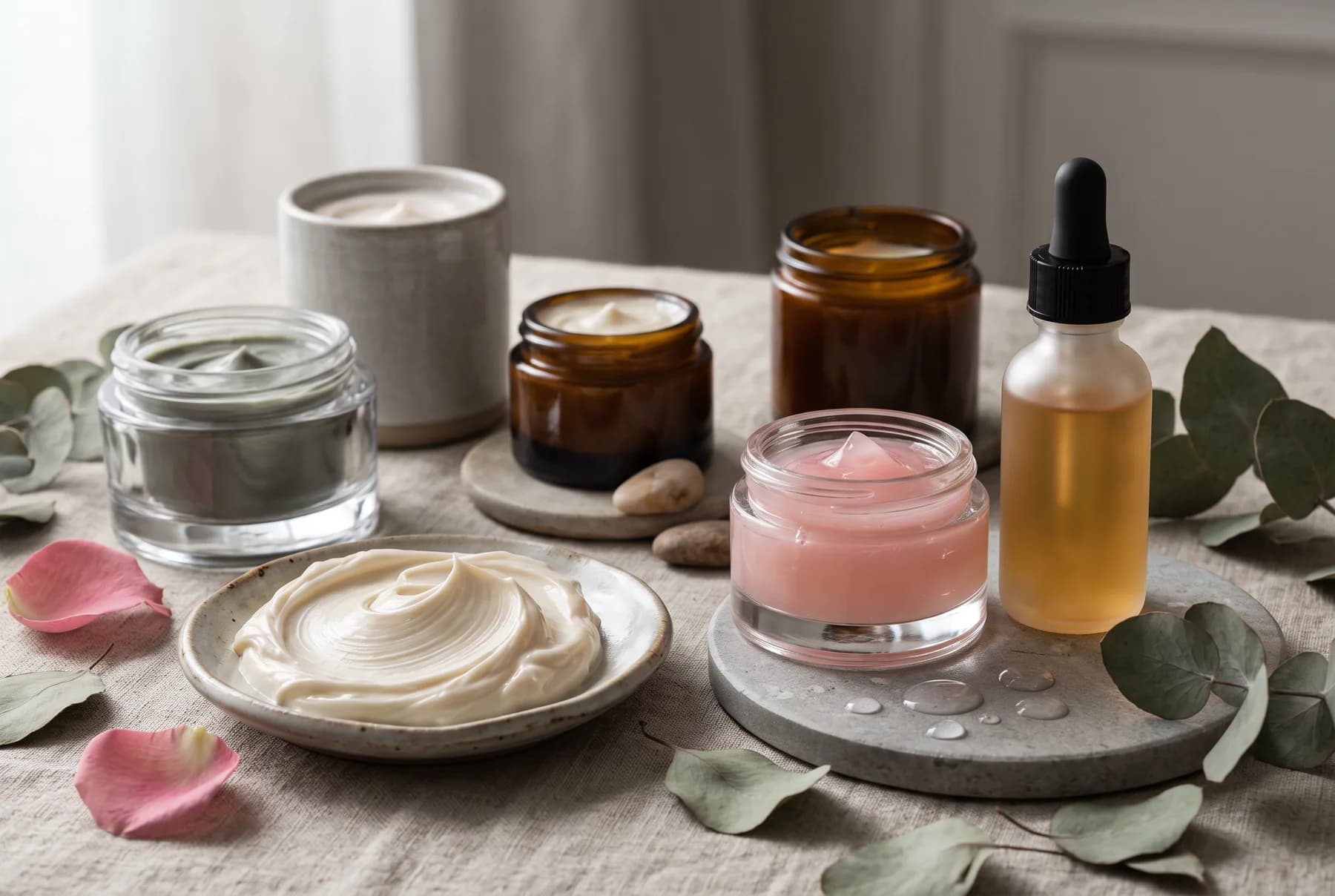
The best cream for fine lines is not necessarily the richest jar on the shelf: look for a formula that pairs a worthwhile active with enough moisture to make consistent use comfortable. For daytime, prioritize broad-spectrum SPF alongside an antioxidant such as vitamin C or niacinamide; for night, consider retinol or retinaldehyde in a ceramide- and hyaluronic-acid-supported cream if your skin tolerates it.
Fine lines are often where a practical routine matters more than a dramatic product promise. A cream can bring hydration, soften the look of dry, papery texture, and support a more polished surface; a retinoid can be a meaningful night-step for people who can use one. The right purchase comes down to active ingredients, vehicle, daytime sun protection, and the degree of irritation you are willing to manage.
The fine-lines cream buying checklist

Read a fine-lines cream as a formula, not a fantasy. The front label may lead with “firming,” “renewing,” or “age-defying,” but the ingredient strategy and the format tell you far more about where it belongs in a routine.
Use this quick filter before you compare price, packaging, or a particularly persuasive texture description:
- Choose a daytime cream with broad-spectrum SPF 30+ if you want your moisturizer to cover the morning protection step.
- Choose a nighttime cream with retinol or retinaldehyde when your priority is a retinoid-centered approach and your skin has room for a gradual introduction.
- Choose peptides, niacinamide, hyaluronic acid, and ceramides when comfort, hydration, and barrier support are central to the assignment.
- Add vitamin C or niacinamide to your considerations when dark spots or uneven-looking tone are also part of the concern.
- Pick a cream, lotion, or gel texture you will genuinely use often enough to justify its place on the shelf.
| What you want from a cream | Ingredients or features to look for | Format direction | Main tradeoff |
|---|---|---|---|
| A focused nighttime active | Retinol or retinaldehyde, plus ceramides or hyaluronic acid | Cream or lotion | Retinoids require a gradual approach and can be hard for reactive skin |
| A streamlined daytime step | Broad-spectrum SPF 30+ with vitamin C or niacinamide | Cream, lotion, or fluid | The finish must work with your preferred makeup or bare-skin routine |
| Moisture without jumping into retinoids | Peptides, niacinamide, ceramides, hyaluronic acid | Cream or gel-cream | This is a gentler route, not an instant substitute for every active |
| Help for dark spots plus fine lines | Vitamin C or niacinamide, with daytime SPF | Day cream or layered routine | Multiple concerns may be better served by separate products |
| A prescription conversation | Tretinoin under dermatologist supervision | Usually a separate treatment plus moisturizer | It is not a casual add-on or a one-size-fits-all option |
A useful value test: determine whether the formula does one job well enough to simplify your routine, or whether it is trying to be an all-in-one product while leaving out your nonnegotiable. A beautiful night cream without SPF is not a morning replacement, and a sunscreen moisturizer is not automatically a retinoid alternative.
Match the texture to your skin and routine
Texture is more than a sensory preference. It influences how much product you apply, whether you layer it willingly, and whether it feels compatible with the rest of your routine. The best face cream for fine lines is often the one whose finish makes daily SPF and nightly moisturizing feel frictionless.
Rich cream
A classic cream is the choice for someone who wants a more emollient, enveloping finish, particularly in a nighttime routine. It is also a logical vehicle for ceramides and other moisture-supporting ingredients. If you dislike residue or live for a barely-there finish, a rich cream may become the expensive product you avoid using.
Lotion or fluid
A lotion or fluid is often easier to spread in the morning and can make layering more intuitive. Consider this direction when you prefer a lighter finish beneath makeup or want a sunscreen moisturizer that does not feel overly dense. Check that the formula still gives you the broad-spectrum SPF level you want for daytime.
Gel cream
Gel-creams can offer a fresher, quicker-absorbing feel while still bringing humectant-forward hydration such as hyaluronic acid. They can be a useful texture option for people who find traditional creams too heavy. Do not assume a gel format is automatically better for sensitivity; the complete ingredient list still matters.
When comparing two otherwise appealing formulas, weigh these practical criteria:
- Layering: Does it sit comfortably over your preferred antioxidant or under your sunscreen?
- Finish: Do you want a dewy cushion, a satin feel, or a nearly imperceptible dry-down?
- Routine role: Is it a daytime SPF product, a night moisturizer, or a supporting cream around a separate treatment?
- Ingredient clarity: Can you quickly identify the active strategy and the barrier-supporting ingredients?
- Budget: Will replacing it at the cadence your routine requires feel realistic?
Build a day-and-night plan, not a one-cream fantasy
The most sensible fine-lines strategy is usually divided by daylight. Daytime calls for broad-spectrum SPF, while the evening is where a retinoid-containing treatment or cream may fit. This split lets you shop for each formula’s actual job instead of asking one jar to cover every need.
Morning
A daytime routine can be concise. If you are addressing uneven-looking tone and fine lines together, an antioxidant such as vitamin C or niacinamide is a relevant consideration, followed by a broad-spectrum SPF product.
- Apply your chosen vitamin C or niacinamide product if it is part of your routine.
- Use a moisturizer if your skin wants extra comfort and your SPF product does not provide enough of it.
- Finish with broad-spectrum SPF 30+ as your daytime protection step.
Evening
Night is the natural place to assess a retinoid formula. Retinol and retinaldehyde are common over-the-counter options; prescription tretinoin is a dermatologist-supervised conversation for those seeking that route. Build in enough moisture support that the plan remains manageable.
- Start with clean, dry skin.
- Apply your retinol- or retinaldehyde-containing product as directed by its product instructions, beginning gradually rather than escalating immediately.
- Follow with a ceramide-, hyaluronic-acid-, peptide-, or niacinamide-containing moisturizer as needed for comfort.
Do not stack every “renewing” category into the same evening simply because each sounds effective. High-strength exfoliants and retinoids used simultaneously can be an unnecessarily difficult combination for many routines. Alternating priorities is often more practical than pushing through visible discomfort.
The sensitive-skin route: slower can be smarter

If your skin reacts easily, the best anti-aging moisturizer for sensitive skin may be a peptide, niacinamide, ceramide, and hyaluronic-acid formula rather than an immediate leap to a more aggressive retinoid plan. That does not make the routine less purposeful. It means the formula is being chosen for its likelihood of fitting into regular use.
Start with the lowest-friction version of the routine and keep the variables limited. A soothing-feeling, barrier-minded moisturizer can have a valuable role whether or not a retinoid eventually enters the picture.
Best for
- People who have found retinoid use uncomfortable or difficult to maintain.
- Anyone building a routine around moisturization, a comfortable texture, and everyday broad-spectrum SPF.
- Those who want to address fine lines alongside dryness or a tight-feeling complexion.
- Shoppers who prefer to add one targeted product at a time rather than overhaul every step.
Skip if
- You are looking for a daytime moisturizer that can replace broad-spectrum SPF but the formula does not contain SPF 30+.
- You expect peptides or hydration alone to function exactly like a retinoid-centered nighttime product.
- You are considering prescription tretinoin without discussing appropriateness with a dermatologist, particularly if pregnant or breastfeeding.
It is also worth separating sensitivity from a product’s marketing language. “Gentle” and “for sensitive skin” can be helpful signals, but they do not replace checking the ingredient list, using a gradual approach with retinoids, and observing how your own skin responds.
A sharper way to compare creams before checkout
When choices begin to blur together, compare formulas in pairs: one daytime candidate and one nighttime candidate. This makes the shopping decision concrete and prevents redundant purchases—a rich retinol cream and a rich peptide cream can both be appealing, but they may not occupy the same slot.
Ask these questions as you evaluate a potential purchase:
- Is the active ingredient appropriate for the role I want this product to play?
- Does the formula include moisture-supporting ingredients that suit my preferred feel?
- If it is for daytime, does it have broad-spectrum SPF 30+?
- If dark spots matter to me, is vitamin C or niacinamide part of the plan?
- Am I paying for a clear, usable formula—or primarily for vague anti-aging language?
A straightforward two-product framework may look like this: a morning antioxidant-and-SPF approach, then a night retinoid-and-moisture approach. If you have sensitive skin, swap the night retinoid emphasis for peptide, niacinamide, ceramide, and hyaluronic-acid support until you and a skin professional decide otherwise.
Related reading
- Best Serum for Wrinkles and Fine Lines
- Fine Lines Treatment: A Practical Routine
- Retinol Sandwich Method: A Gentler Routine
Frequently asked questions
What is the best ingredient in a cream for fine lines?
There is no single best ingredient for every person. Retinol or retinaldehyde may be the key active in a nighttime plan, while ceramides, hyaluronic acid, peptides, and niacinamide help shape a moisturizing, barrier-minded formula; broad-spectrum SPF is essential for daytime coverage.
Is a cream or gel better for fine lines?
Choose based on use and feel. A cream can provide a richer, more cushioning finish, while a gel-cream may be more comfortable if you prefer lightweight layering. Either can be useful when the ingredient strategy and daily SPF plan are sound.
Can I use retinol and exfoliants in the same routine?
Because high-strength exfoliants and retinoids used simultaneously can be difficult to tolerate, avoid treating them as an automatic pairing. Consider separating them and introducing retinoids slowly.
What should I use for fine lines and dark spots?
For a daytime plan, consider vitamin C or niacinamide alongside broad-spectrum SPF 30+. At night, a retinol- or retinaldehyde-containing product may be an option if tolerated, supported by a moisturizer that fits your skin.
Sources
- American Academy of Dermatology — Choosing moisturizers
- The New York Times Well — Retinoid and wrinkle cream coverage
- Park Dermatology — Skin expert product-selection notes
Clear guidance, checked before publication.
Solvi articles are structured by our editorial team and reviewed for clarity, consistency, and responsible health language. We update pages when guidance or product information changes.

Clara Evans
Ingredient Research Contributor. Clara examines ingredient lists and formulation details, separating what a product contains from what its marketing promises.