Best hairstyle for my face shape: a shape-first haircut guide

Answering the question: the best hairstyle for my face shape starts with a measurement-based classification (oval, round, square, heart, long) and a clear haircut goal—lengthen, soften, or add volume. Once you know your shape, shortlist cuts that balance proportions: eg., lob or long layers for an oval; side-swept fringe and length for a round; face-framing layers and soft bangs to soften a square; chin-weight or fullness to balance a heart.
Identify your face shape with four measurements

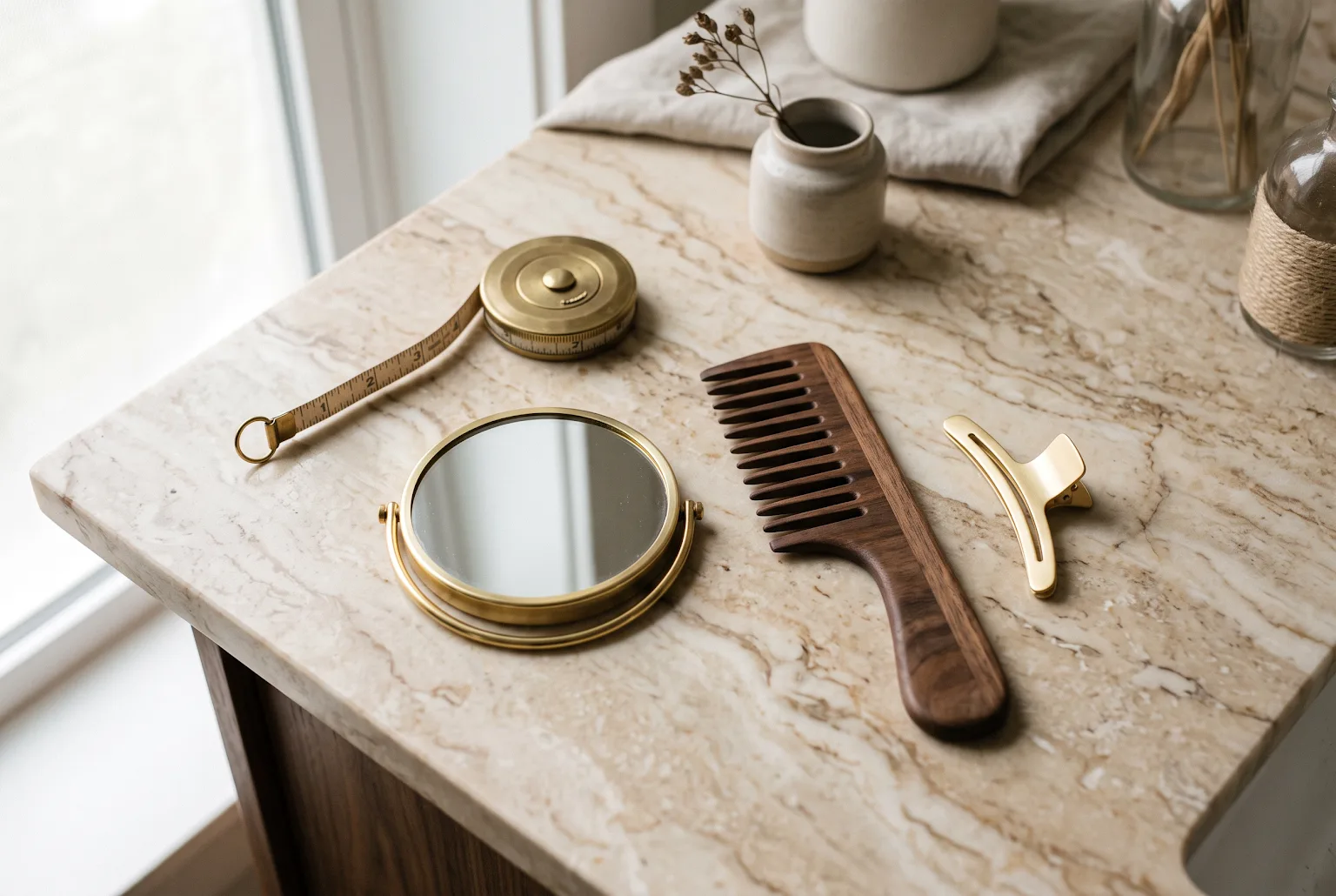
Measure four points: forehead width, cheekbone width, jawline width, and face length. Use a soft measuring tape and measure straight across each zone at its widest point. Compare ratios: if length is noticeably larger than width you lean long/oval; if width at cheekbones roughly matches length you may be round; a strong, wide jaw suggests square; a narrow jaw with a wider forehead suggests heart; balanced proportions that taper slightly are classic oval. Keep paragraphs short and practical: do these with dry hair and in a mirror, or photograph your face straight-on for clearer comparison.
Use this quick decision rule: if your face length is 1.2–1.5x wider than its max width you’re likely oval or long; if widths and length are almost equal, you’re likely round. Remember the rule of thirds—hair can change perceived thirds more than bone structure can, so your haircut is powerful.
How to translate shape into a haircut goal
Pick one clear goal before you book a cut: add length, soften angles, or add targeted volume. Each goal points to a family of cuts. If you want to add length visually choose long layers and face-lengthening centers; to soften, choose side-swept bangs or curtain bangs; to add volume, pick cuts with weight at the chin level or textured layers that create lift.
Match the goal to your hair texture: fine hair benefits from blunt ends or a weight line to create density, while thick hair benefits from long layers that remove bulk without losing length. Consider maintenance: a fringe adds monthly trims; a blunt bob needs frequent shaping to keep the line crisp. Bring 2–3 photos that show both full-body and close-up head shots to your stylist.
| Face-shape goal | Best cut families | Maintenance | Who it suits |
|---|---|---|---|
| Lengthen | Long layers, lob with center part | Low–medium | Most textures, especially those with natural fall |
| Soften | Side-swept/curtain bangs, soft face-framing layers | Medium | Those wanting to mask a strong jaw or high forehead |
| Add volume | Chin-weight bob, textured layers, graduated lobs | Medium–high | Fine or flat hair that needs lift |
Best cuts for oval faces and who should avoid them
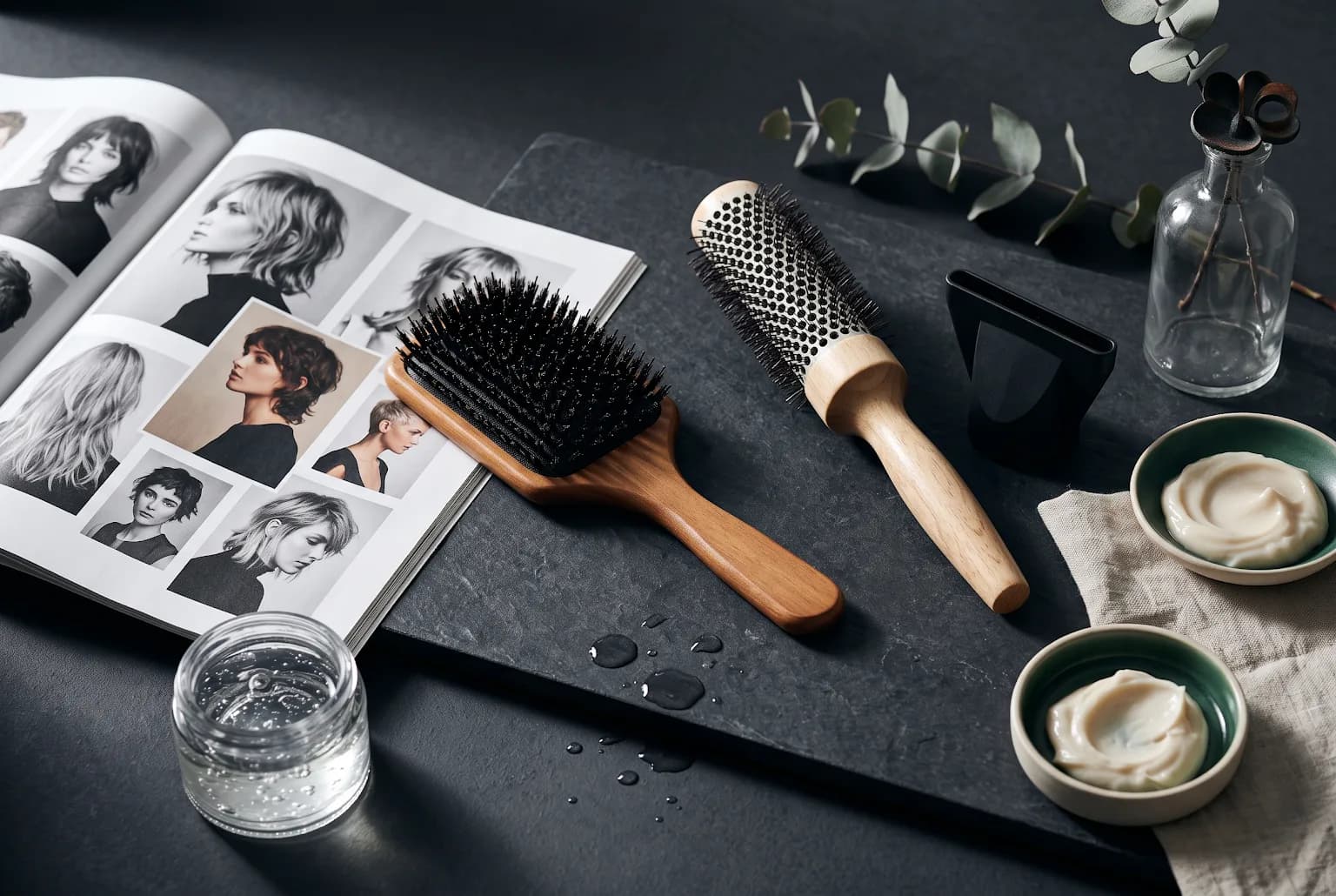
Oval faces are the most flexible—think of them as a neutral canvas. Starter cuts that work well are a lob, long face-framing layers, and curtain bangs, because they maintain natural balance. If your hair is fine, a blunt lob at collarbone level creates the illusion of density. If you have thick, heavy hair, long layers with internal thinning will keep movement without a helmet effect.
Tradeoffs: because so many cuts flatter an oval face, the deciding factors should be texture and lifestyle. If you hate daily styling, avoid cuts that require precise blow-drying (eg., a sleek bob). If you enjoy styling, a layered lob gives you options. When in doubt, bring pictures and ask your stylist how long a look will take in your day-to-day routine.
Best cuts for round faces and styling strategies
Round faces benefit from length and asymmetric lines: side-swept bangs, long layers that start below the chin, and off-center parts are go-to moves. Aim to create vertical lines that elongate the face, like a long layered cut with volume at the crown. Avoid chin-length, perfectly rounded bobs or heavy blunt bangs that accentuate width unless you intentionally want that effect.
Texture notes: wavy textures can use long layers to create movement that distracts from width; very straight, fine hair may need a deeper side part and a light face-framing angle to add dimension. Maintenance tradeoffs: longer lengths and side-swept fringes are fairly low-maintenance, but bangs need trims and styling. If you're curious about mens' styling parallels, compare styles in our barber-led guide The best haircut for face shape men.
Best cuts for square faces and ways to soften angles
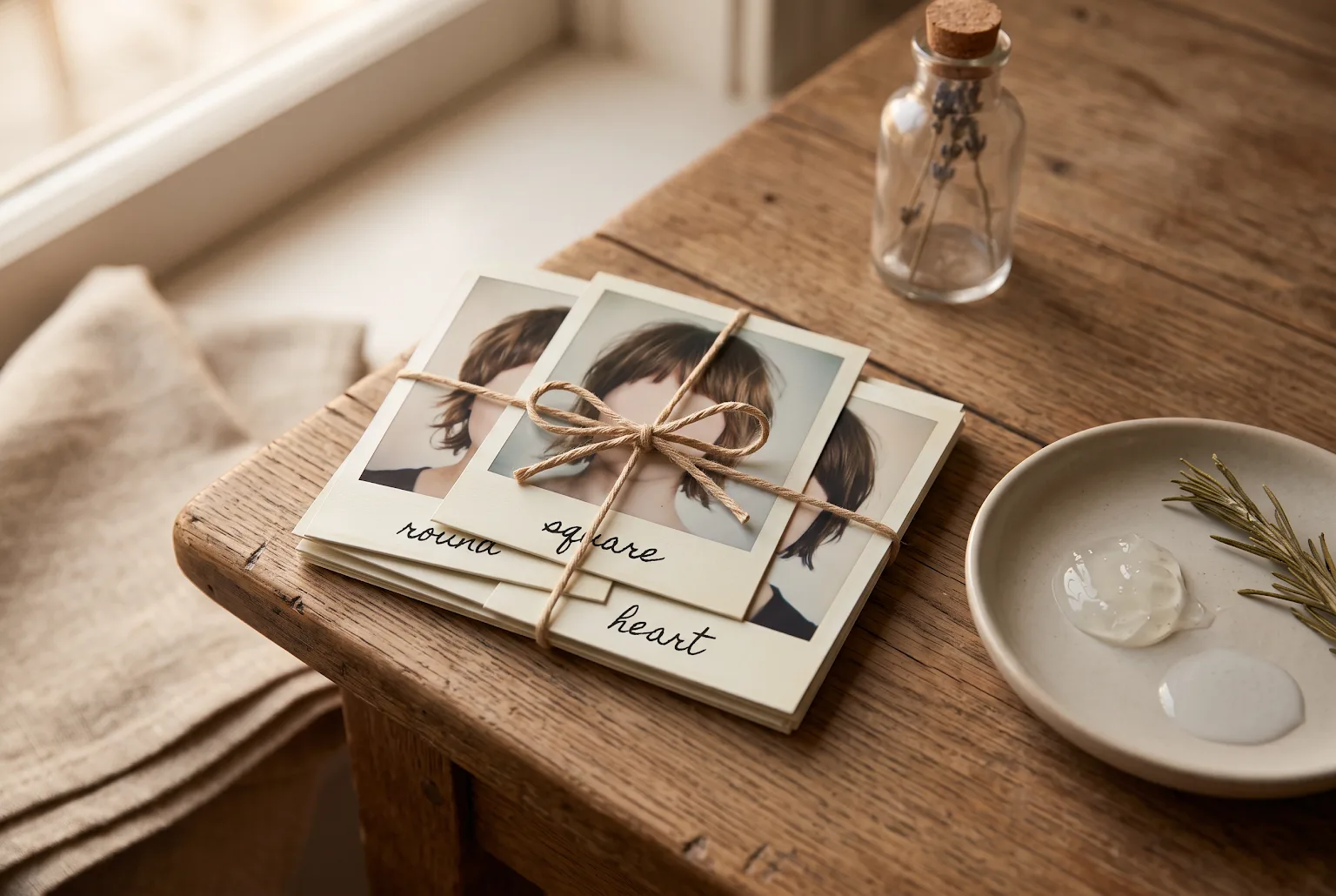
Square faces have a strong jawline that many want to soften. Face-framing layers, soft curtain bangs, and longer, rounded lengths that end below the jaw create a more oval silhouette. Avoid blunt, boxy cuts that stop at the jawline—they emphasize angles. Instead, choose cuts that add movement and diagonal lines to break the horizontal visual weight.
If your hair is thick, long layers with subtle razor texturing will remove bulk and reduce a boxy look without making hair frizzy. For fine hair, a shoulder-length lob with soft interior layers adds shape without exposing the jawline. Consider wearing a side part or a soft fringe to draw attention upward rather than toward a strong lower face.
- Step-by-step measure-and-mark: use a soft tape and mark forehead, cheekbone, jaw, and chin; photograph straight-on; outline the widest point and compare ratios.
- Bring three photos: one full-length, one three-quarter, one close-up of the front. These guide the stylist on proportion and intended length.
- Note lifestyle: how much time you want to spend daily styling?
Best cuts for heart and long faces, and balancing tricks
Heart-shaped faces (wide forehead, narrow chin) and long faces need opposite fixes: heart shapes often benefit from chin-length fullness to add lower-face width, while long faces need horizontal lines or bangs to break vertical length. For heart faces, a chin-weighted bob, soft chin-length layers, or curtain bangs are classic choices. For long faces, choose a textured bob or bangs that create a horizontal visual anchor.
Texture choices: curly or wavy hair can use layers to place fullness at the chin; straight hair benefits from bluntness at the jaw to add perceived width. Tradeoffs include maintenance—bangs and precise line bobs need more frequent salon visits. If your concern is high cheekbones or a diamond proportion, see our focused resources on diamond shapes and cut strategies Best hairstyles for diamond face shape.
How to choose a stylist and what to bring to the consult
Choose a stylist who shows a portfolio of cuts on faces similar to yours and who asks about your hair texture, past chemical history, and daily routine. At the consult, present three photos (different angles), a clear statement of your styling time budget, and the results of your measurement exercise. Ask the stylist to sketch expected fall and show how the hair will look air-dried versus blow-dried.
Decision criteria checklist: accuracy of face-shape assessment, texture-suitable cut, maintenance level, and the stylist’s plan to achieve your goal. If you’re unsure, ask for a staged plan—start conservative, then add more dramatic layering on a follow-up visit. For men's-specific tailoring, review the barber-led take in our guide The best haircut for oval face shape men.
Frequently Asked Questions
How do I know if I have an oval face shape?
Measure forehead, cheekbones, jawline, and length. If your face length is noticeably longer than the widest point and proportions are balanced—no extreme widths—you're likely oval. Photographs straight-on help confirm. Remember, oval faces are forgiving; the choice of cut should be guided by texture and lifestyle as much as bone structure.
Can bangs work for every face shape?
Bangs can work across shapes but vary in cut and placement. Side-swept or curtain bangs soften round and square faces; shorter blunt bangs can suit oval or long faces if hair texture and maintenance allow. Consider hair density, cowlicks, and your tolerance for trims before committing.
How much does hair texture change the best haircut choice?
Texture is a major deciding factor. Fine hair often benefits from weight and blunt lines to create density; thick hair needs long layers to remove bulk; curly hair needs longer, strategic layering to avoid a pyramid shape. Always match the haircut family to your natural texture rather than forcing a style that requires daily hot-tool work.
What should I bring to a salon consult to get the cut I want?
Bring three photos (full-length, three-quarter, close-up), your daily styling routine, and the results of the four-point face measurement. Be honest about how much time you’ll spend styling and whether you color or chemically treat your hair—those details change what cuts will hold their shape between visits.
Related Reading
- The best haircut for face shape men: a barber-led guide
- The best haircut for oval face shape men: a practical guide
- What Is the Best Face Shape for Bangs? A Fringe-First Guide to Choosing Your Cut
Sources
- Face Shape guidance and hairstyle match (2026 editorial guides)
- Hair AI / salon guides on choosing haircuts by face shape
- Stylist/editorial seasonal trend notes (2026)
Clear guidance, checked before publication.
Solvi articles are structured by our editorial team and reviewed for clarity, consistency, and responsible health language. We update pages when guidance or product information changes.
Amara Lewis
Sensitive Skin Writer. Amara is fascinated by calm, barrier-first skincare and the small details that make a routine easier to tolerate. She favors thoughtful formulas, slow introductions, and less guesswork.


