The best haircut for face shape men: a barber-led guide



The best haircut for face shape men is the one that balances your proportions — add vertical height to shorter faces, build width or soft edges where the jawline is narrow, and remove bulk where the face looks widest. For round faces specifically, choose cuts that add height, introduce angular texture, and reduce width at the temples and cheeks.
How to choose the best haircut for face shape men
Start with five decision criteria that barbers use when matching a cut to a face. These are practical, measurable factors you can use at the chair: add vertical height to elongate; create angular lines or texture; avoid width at the temples/cheeks; account for scalp/hair density and growth patterns (cowlicks); and balance ease of styling and maintenance. Making a choice means trading one or two of these goals off against the others — a super-short fade adds definition but lowers the margin for styling, while long top length gives options but can widen a round face.
What is the most important rule for round faces?
Add height and vertical structure. That means keeping sides tapered rather than heavy, and leaving length or lift on top so the eye travels up the face rather than across it. Angular texture on top (choppy layers, a textured quiff) introduces vertical shadows that visually slim the cheeks.
Should I bring photos to the barber?
Yes—bring three images showing front, three-quarter, and top views of the cut you want. Also show a picture of your current hairline and a clean, relaxed headshot; that helps the barber match tapers to hair growth patterns and cowlicks.
Round faces: haircuts that add height
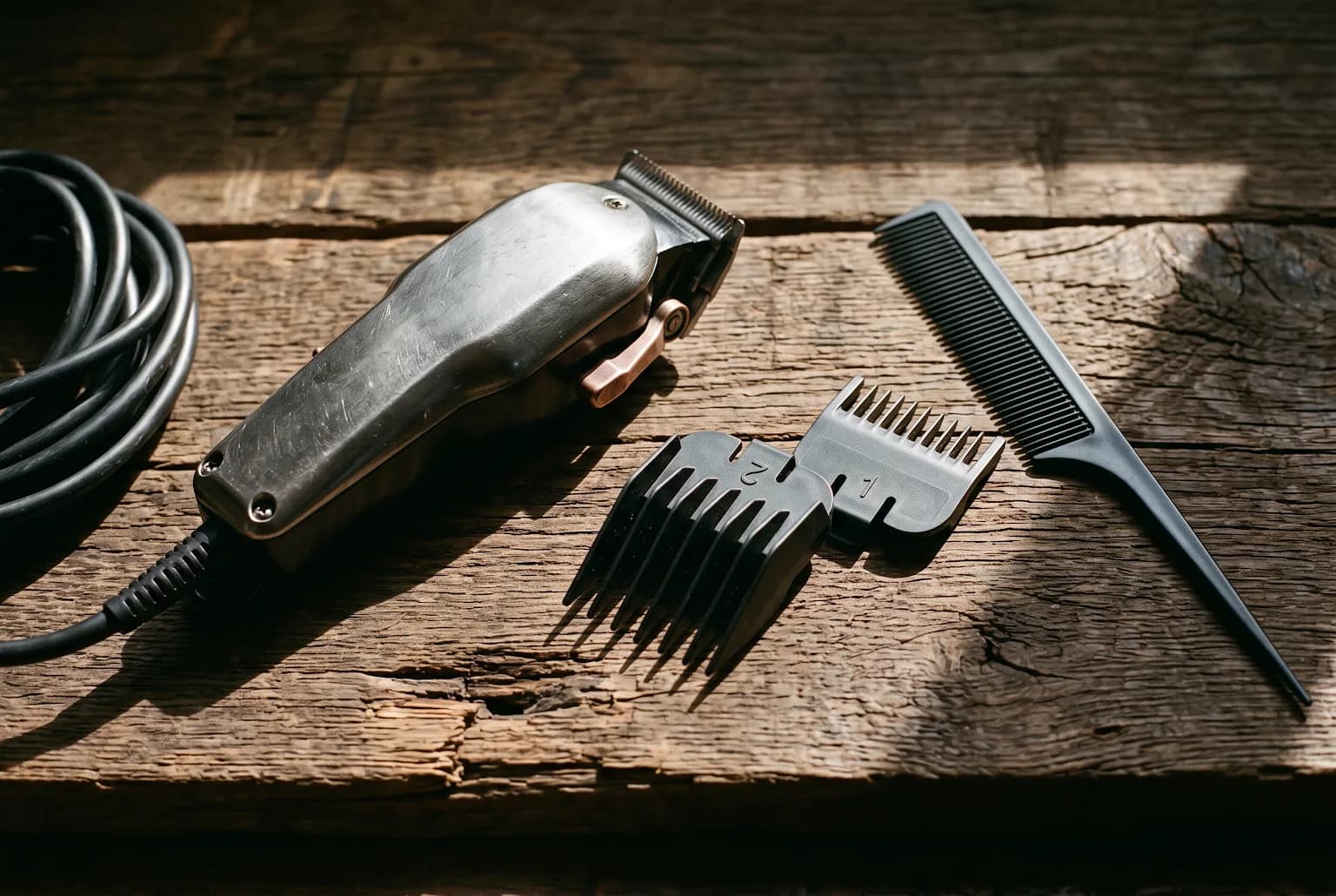
The visual rules for round faces are straightforward: prioritize vertical height, diagonal or angular lines, and reduced width at the sides. Avoid heavy all-over length, straight-across bangs, or strong center parts, which create horizontal lines that make the face look wider. Consider hair density: if your hair is fine, rely on short textured cuts and matte products to create separation; if your hair is thick, controlled layering and tapering at the sides keep volume from ballooning outward.
Which cuts work best on round faces?
Common, reliable options are: textured crop with a faded or tapered side, short textured quiff, disconnected undercut with volume on top, and longer top with tightly tapered sides. Each of these keeps the sides visually narrower and the top taller.
| Cut | Why it works for round faces | Ease of styling | Tradeoffs |
|---|---|---|---|
| Textured crop with taper | Choppy texture adds angles; taper reduces cheek width | Quick — matte paste, dry styling | Needs periodic taper maintenance (4–6 weeks) |
| Short textured quiff | Adds vertical lift and an elongated silhouette | Daily blow-dry or rough-dry and product | Requires length on top (2–3+ inches) |
| Disconnected undercut | Strong contrast: narrow sides, tall top | Low upkeep on sides; top needs styling | Not great with severe cowlicks or diffuse thinning |
| Longer top, tapered sides | Softens transitions, adds flexibility | Versatile styling — messy or combed | More styling time and heavier product options |
How much taper is ideal?
A medium-to-high taper keeps the cheeks narrower without going skin-level all the way. Very high skin fades can work but be cautious if you have low hair density or a receding hairline; extreme fades can age some faces prematurely.
Other face shapes at a glance

Not every reader is round-faced, so here are quick visual rules for other common male shapes: oval — you have the most flexibility; square — emphasize angles and avoid too much softness; heart-shaped — add width at the jaw with textured length; oblong — avoid too much top height, instead create horizontal balance at the temples. These are working rules, not absolutes: hairline, beard, and glasses also change the perceived proportions.
Should I change my haircut when I grow a beard?
Yes, coordinated changes often help. A fuller beard can allow more top length since the lower face now has visual weight; a clean-shaven jaw may need sharper side definition to preserve balance.
Styling products, maintenance, and what to review
Choose product textures to support the silhouette you want. For round faces the most useful textures are matte clays or clays with high hold and low shine (they separate hair without adding reflective width) and light volumizing powders for fine hair. Creams or heavy gels that make hair lie flat across the temples are best avoided; they flatten vertical lift and emphasize width.
Which product format should I review before buying?
Test by feel and finish: matte paste/clay = thick, pliable, low sheen; light fiber = stretch and texture; sea-salt spray = rough texture and separation, good for medium hair. Consider how your routine fits: powders and dry texturizers are low-effort; creams and heavier creams require wet application and more blow-drying.
- Matte clay: best for separation and defined, sculpted texture.
- Sea-salt spray: builds coarse texture without weight; good as a base.
- Volumizing powder: instant height and root lift for fine hair.
- Light paste: flexible hold for shorter textured crops.
How often should I get a trim?
For tapered sides and defined texturing, plan on 4–6 week touch-ups. If you prefer a looser, longer top with soft sides, every 6–10 weeks is acceptable; the longer the top, the more forgiving the interval.
How to discuss tradeoffs in the chair
Honest, short conversations at the barber make the difference between a good cut and a great one. Bring photos, describe how much time you spend at the mirror, and be candid about cowlicks, thinning, and whether you wear glasses. Ask your barber to point out three clear adjustments to the photo that will make it work with your hairline and density.
What should I ask about cowlicks and growth pattern?
Ask the barber to show how they’ll redirect or work with cowlicks using clipper angles and layering. Good barbers will explain anchored sections and where they’ll leave length to disguise or lean into the pattern.
Frequently asked questions
How do I know if my face is round or oval?
Measure your face lightly: a round face tends to have similar width and length with softer angles, while an oval face is slightly longer than wide and tapers gently at the jaw. If your cheeks appear the widest point and your jaw and forehead curve softly, you’re likely round.
Can I pull off a center part if I have a round face?
A center part generally widens the face and is not recommended for round faces. If you prefer a middle separation, keep the sides tapered and add vertical texture on top to offset the widening effect.
Are long hairstyles ever flattering on round faces?
Yes—if long hair is layered and kept narrower at the sides with movement down past the jaw. Avoid full, blunt shoulder-length looks that end at the widest point of the face; instead, soften with long layers and add subtle vertical texture.
What if I have a receding hairline and a round face?
Choose cuts that create lift and draw attention up (textured top, short tapered sides) and consider hairline-framing techniques like light fringe or staggered layers only if they don’t create a horizontal band across the forehead.
Related Reading
- Best hairstyles for diamond face shape: cuts and styling to soften cheekbones
- The Best Glasses Shapes for a Heart-Shaped Face: A Smart, Stylish Frame Guide
- What Is the Best Face Shape for Bangs? A Fringe-First Guide to Choosing Your Cut
Sources
- American Barber/Stylist guides (example)
- Vogue/Allure male hairstyle pieces
- Barbershop/Academy tutorials
Internal links for further reading:
- For how hair interacts with facial accessories and proportion, see The Best Glasses Shapes for a Heart-Shaped Face: A Smart, Stylish Frame Guide ().
- If you're considering adding a fringe, What Is the Best Face Shape for Bangs? A Fringe-First Guide to Choosing Your Cut is a useful primer ().
- For a general grooming skin-care tie-in—scalp care and gentle cleansing are part of any routine—see The Best Sensitive Skin Face Wash Starts With a Quieter Cleanse ().
Clear guidance, checked before publication.
Solvi articles are structured by our editorial team and reviewed for clarity, consistency, and responsible health language. We update pages when guidance or product information changes.

Maya Bennett
Senior Beauty Editor. Maya is the skincare obsessive who turns big beauty questions into clear, grounded guidance. She is especially interested in routines that respect real skin, real schedules, and realistic budgets.


