The best face makeup for mature skin: hydrating foundations that flatter


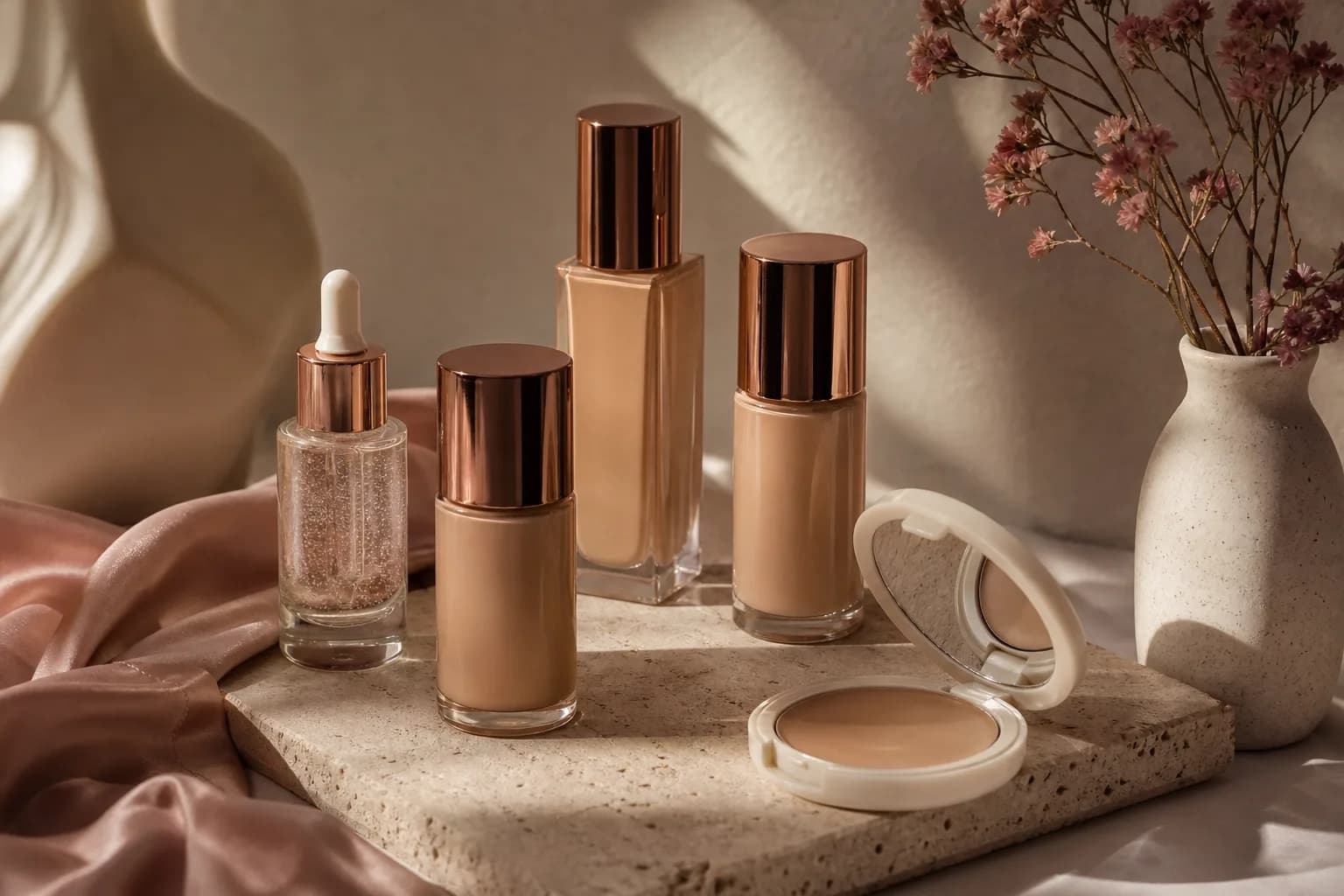
Choose hydrating, cream or liquid foundations with a satin or dewy finish and light-to-buildable coverage; prep skin (moisturizer, primer) and avoid heavy mattes that accentuate lines. Start with the skin first—hydration, barrier support and a small dose of luminosity in the formula will help makeup move with mature textured skin rather than sit on top of it.
This guide explains the textures, ingredient tradeoffs, shade-matching strategies, and concrete application routines that reduce creasing and emphasize a natural, blurred finish. Expect decision criteria centered on hydration level, finish, coverage type, and a texture that flexes with facial movement.
A practical primer on texture and finish
Mature skin benefits from finishes that nod toward natural skin rather than flat matte. Satin or soft-radiant finishes reflect light subtly, which visually softens fine lines and surface texture. Conversely, heavy mattes remove surface sheen and can emphasize creases where foundation settles.
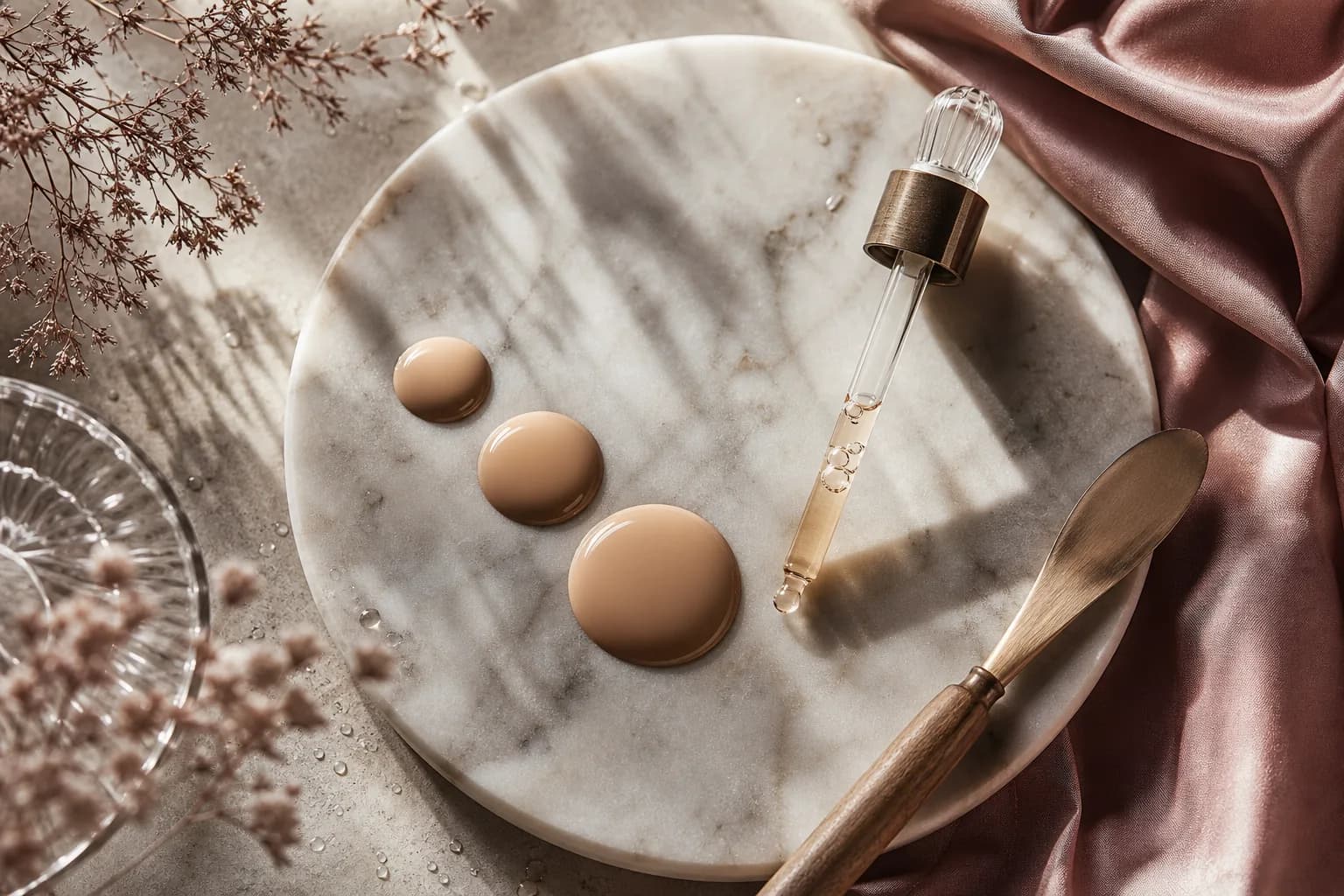
Texture matters: fluid liquids and lightweight creams typically contain emollients and humectants that let the formula glide and spread; these avoid the patchy look that can happen when a dense, powdery product is applied over fragile skin. Serum foundations often add skin-like luminosity and thin, flexible films.
A small tradeoff: dewier formulas can show texture if applied too thickly or over overly oily zones. Use light coverage and targeted application on areas that actually need evening, not full-face layering.
| Finish | Why it works for mature skin | When to avoid |
|---|---|---|
| Satin/radiant | Bounces light gently, softens lines | If severe surface crepiness, blend carefully |
| Lightweight cream | Builds without cake, adds slip | Can pill over silicone-rich primers |
| Serum/liquid | Mimics skin, won’t cake | Less concealing for severe discoloration |
How to choose by coverage and skin goals
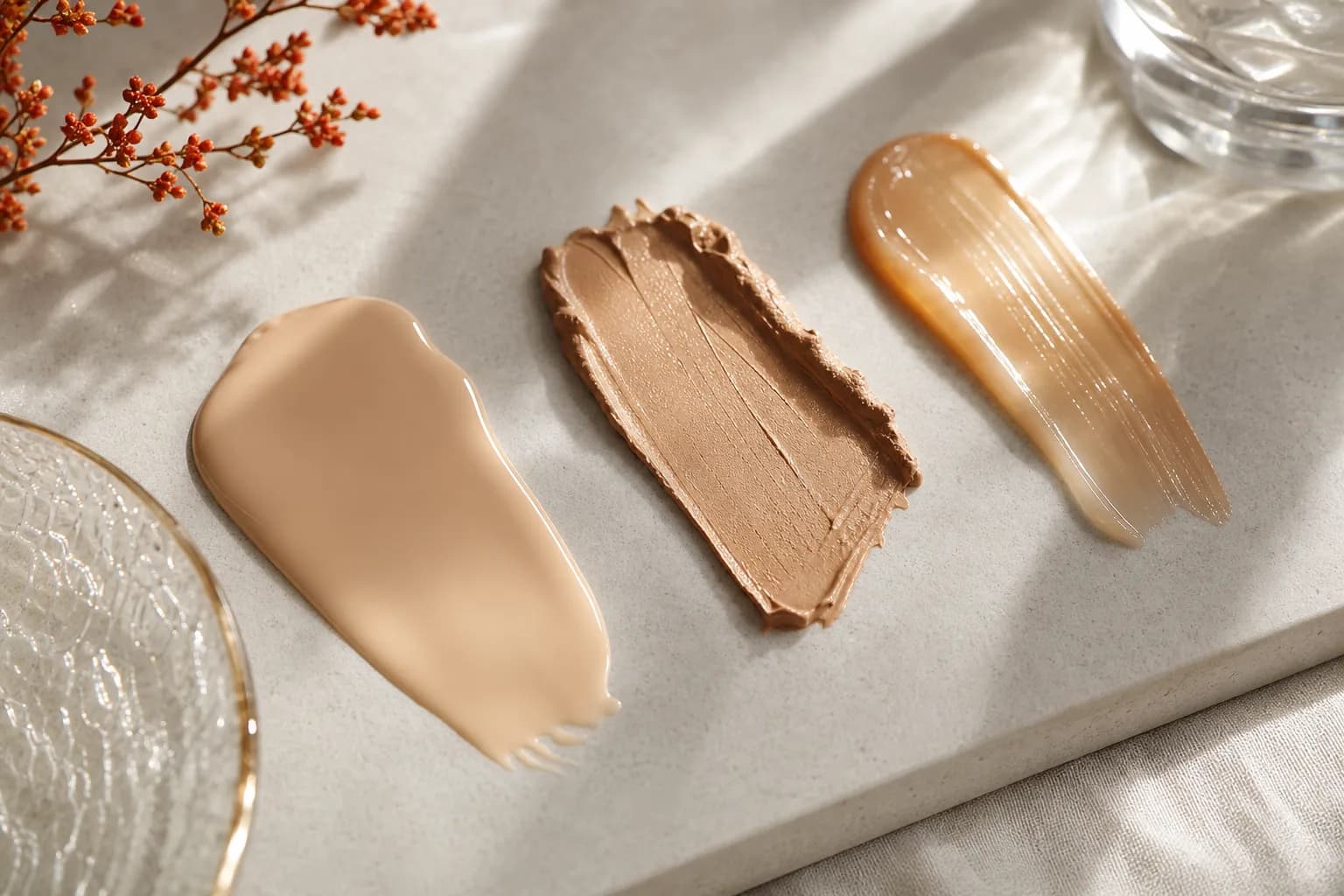
Pick coverage by the problem you want to solve rather than the number on the tube. If your main concern is uneven tone or light pigmentation, a tinted moisturizer or light-buildable serum foundation will even skin without masking texture. For post-inflammation discoloration or pronounced age spots, choose a light-to-medium foundation you can target with additional concealer rather than a one-step full-coverage product.
Think strategically: apply lightweight foundation everywhere to maintain natural finish and use a creaseless, minimally drying concealer sparingly on shadows or dark spots. This layered approach prevents the heaviness that causes settling into lines.
Concrete decision examples: if your goal is radiance and you have normal-to-dry skin, prioritize a hyaluronic-acid–rich liquid with a satin finish. If you need more coverage but still want movement, seek a cream foundation labeled light-to-medium that lists emollients like squalane or lightweight silicones for slip.
Ingredient checklist for hydration and slip
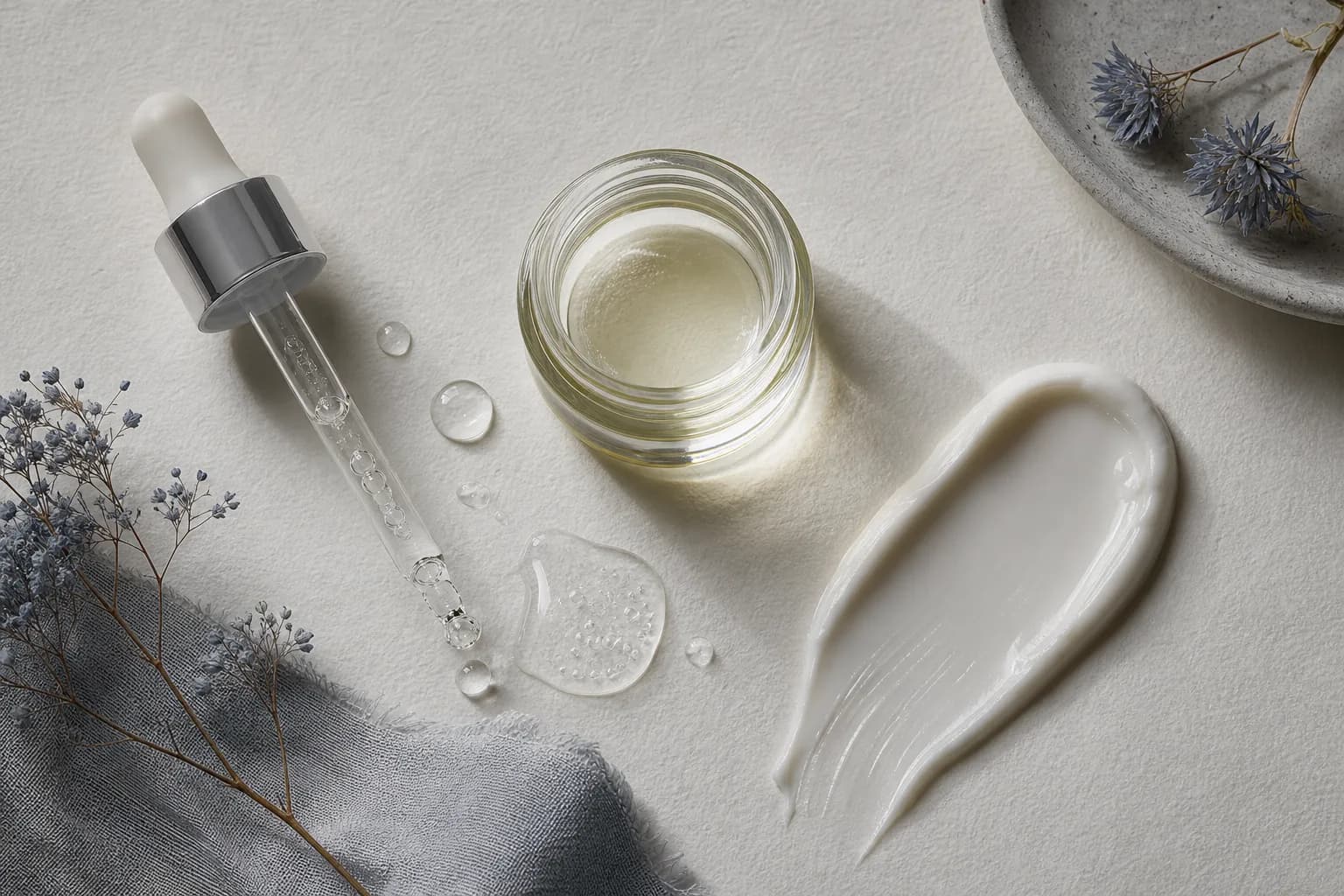
Look for humectants, emollients, and barrier-supporting lipids in the formula. Hyaluronic acid attracts and holds water; squalane and esters provide a lightweight, non-greasy slip; ceramides and fatty acids support the skin barrier to keep makeup sitting evenly. Avoid formulas whose ingredient lists are primarily powders—those will tend to cake.
Prioritize these functional ingredients when comparing product panels:
- Hyaluronic acid or sodium hyaluronate for hydration and a plumping effect.
- Squalane or plant-derived esters for glide and skin-like feel.
- Glycerin for long-lasting moisture retention.
- Lightweight silicones (dimethicone) in moderation to smooth texture without stiff film formation.
For more on creams and barrier care that support makeup, our face-cream guide explains which actives help keep makeup from settling into lines: .
Application routines that minimize creasing
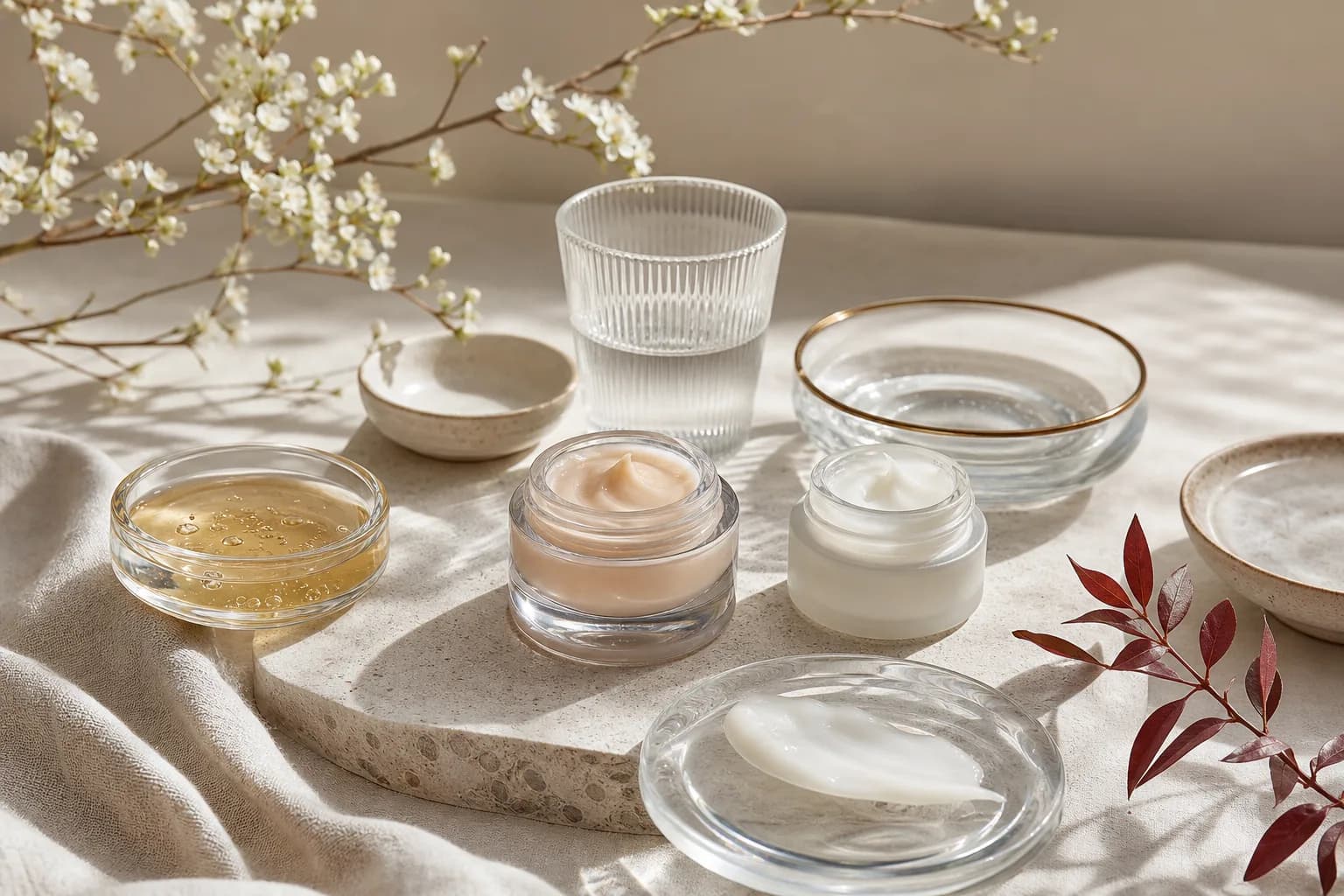
Start with well-hydrated skin: a moisturizer that absorbs but leaves a slightly tacky surface helps makeup adhere without dragging. Let moisturizers sink in for a minute before applying a silicone-light smoothing primer only where needed (around the nose, between brows) to avoid piling.
Tools change finish: a damp sponge gives skin a skin-like thin veil of coverage by pushing product into the surface; a dense synthetic brush sheers product and builds coverage where required. For mature texture, avoid repeated buffing that polishes product into lines; instead, press and roll motions work better.
Routine steps: use light pressure, apply foundation in thin layers, and concentrate concealer sparingly. If your formula is dewy, set only the T-zone with a finely milled loose powder applied through a very light, hollow brush to avoid flattening radiance.
Format tradeoffs: cream, serum, and cushion foundations
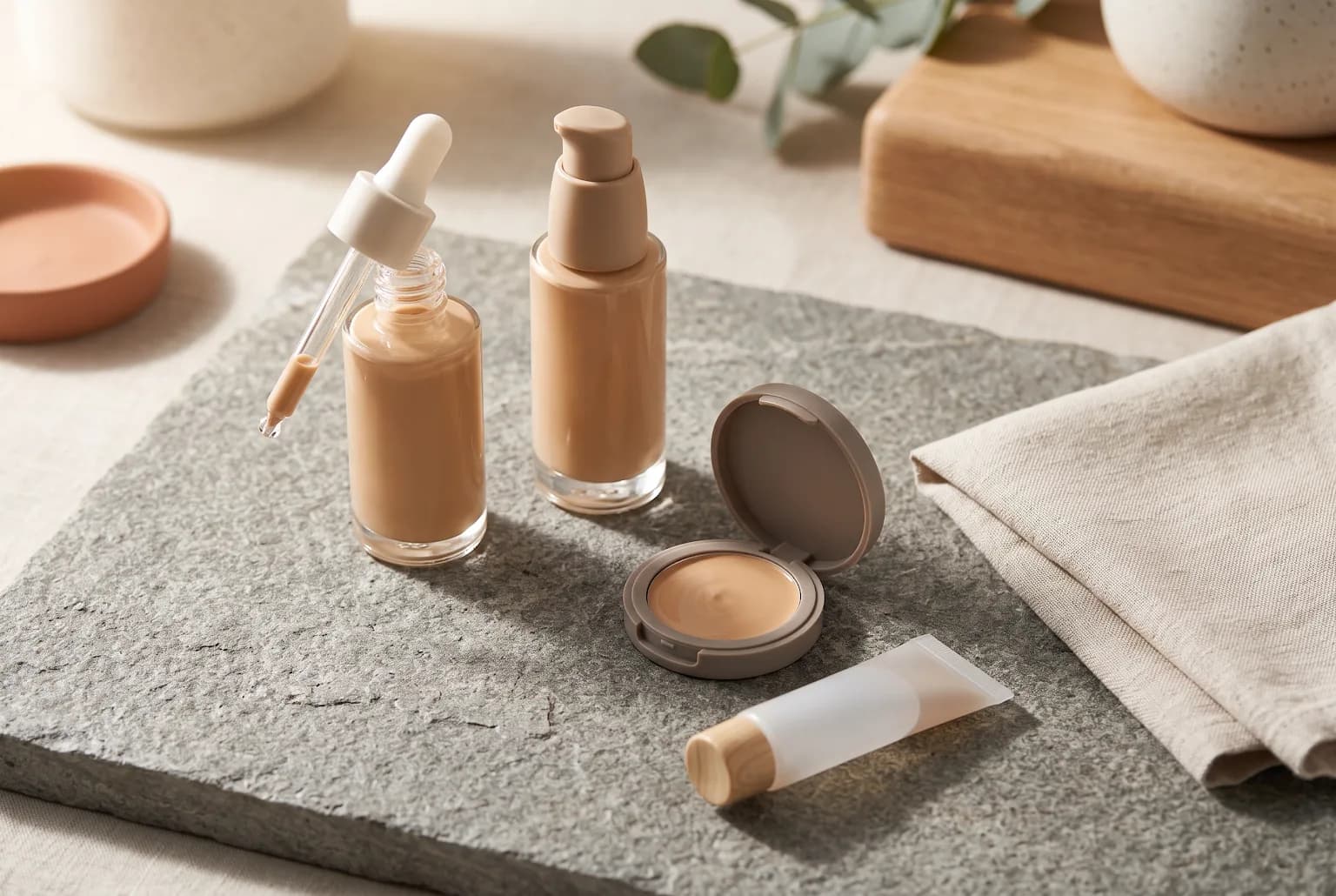
Cream foundations offer pick-up-and-scope for drier skin—many cream textures carry emollients that restore a plumped look without exaggerated sheen. The tradeoff is potential thickness; select creams labeled light or blendable and use fingers or sponge to press product in.
Serum-style foundations are often thinnest and mimic skin, which makes them ideal for light-to-medium coverage and mature pores and texture. Cushion foundations deliver a dewy finish and convenience for touch-ups but can be prone to transfer and require careful shade matching.
Decision examples: choose cream formats if your skin is dry and you need a smoothing effect; pick serum/liquid if you prefer a barely-there look that still corrects tone; use cushion formulas for midday refresh when you want a luminous top-up without full reapplication.
Shade matching and correcting uneven undertones
Older skin often carries uneven undertones—areas of warmth, cool patches, or hyperpigmentation. Test shades in natural light and focus on the jawline and lateral cheek to see how a foundation blends with neck tone. A slightly warmer or neutral base usually reads more natural than a cool, ashy shade that can accentuate dullness.
Correctors can be helpful: a peach or warm-leaning concealer under foundation neutralizes blue-ish under-eye shadows but use sparingly so you don’t add thickness. For age spots, target them after foundation with a tiny brush and a light-to-medium concealer; then gently set the spot rather than the whole face.
If you use color-correcting or brightening drops mixed into foundation, add only a drop or two—too much alters the formula’s slip and could cause separation.
Layering makeup with skincare-first priorities
Always think "skin first" when layering: a lightweight, non-comedogenic moisturizer, followed by a primer only where needed, then tinted serum or foundation in thin coats. Reserve heavier correcting products for targeted areas instead of applying thick product across the whole face.
For value decisions: a single hydrating foundation that blends well and builds modestly will often outperform a cheaper matte formula plus multiple powders. If you rotate looks, keep two foundation formats: a dewy liquid for everyday and a cream foundation for colder months when skin needs extra emollients.
Frequently asked questions
How do I prevent foundation from settling into fine lines?
Start with consistent hydration and a lightweight primer where lines are deepest. Apply foundation in thin layers with gentle pressing motions from a damp sponge or a soft brush. Use minimal concealer in lines and avoid heavy powdering; if setting is needed, lightly dust only targeted areas with an ultra-fine translucent powder.
Which finish is best if I have textured mature skin?
Satin or soft-radiant finishes tend to be best because they reflect light gently and disguise texture without emphasizing it. Avoid heavy mattes, which can make creases look more pronounced. If you need oil control in spots, set sparingly rather than choosing a fully matte foundation.
Are cream foundations better than liquid for mature skin?
Creams can be excellent for drier mature skin because they deliver emollients and coverage in one step, but they can feel heavier. Liquids or serums that list humectants and lightweight emollients often offer a skin-like finish with less risk of caking. Choose by your skin’s hydration needs and how much targeted coverage you actually require.
Can I mix skincare drops with foundation to improve finish?
Yes, adding one or two drops of a lightweight hydrating booster or radiant primer to your foundation can thin heavy formulas and increase slip, helping them sit better on mature skin. Use sparingly to avoid changing shade, texture, or wear characteristics; always test on a small area first.
Related Reading
- Which Estée Lauder foundation is best for mature skin
- The best eye primer for mature skin: smoothing, hydrating, long-wear picks
- The best facial sunscreen for mature skin: a hydrating, low-settle guide
Sources
- Allure — Best Foundations for Mature Skin
- Good Housekeeping — Best Foundations for Mature Skin (2026)
- Ulta Beauty — Best Makeup for Mature Skin guide
Clear guidance, checked before publication.
Solvi articles are structured by our editorial team and reviewed for clarity, consistency, and responsible health language. We update pages when guidance or product information changes.

Elena Park
K-Beauty Contributor. Elena follows K-beauty launches, textures, and routine trends with an editor’s eye and a collector’s enthusiasm. She focuses on what is genuinely useful beyond the hype.