K‐Beauty picks for fading dark spots: a practical guide


Korean skincare products for hyperpigmentation lean on a few reliable actives—tranexamic acid, niacinamide, vitamin C derivatives (MAP, ethyl ascorbic acid), azelaic derivatives and low‐strength alpha/beta hydroxy acids—typically delivered in serums or ampoules. The short answer: choose actives first, pick a delivery form that fits your skin (serums for speed, creams for barrier support), introduce potent ingredients slowly, and make broad‐spectrum SPF a non‐negotiable daily habit. This guide breaks textures, tradeoffs and layering rules into decision-ready examples so you can buy intentionally, not emotionally.
How to choose a brightening serum
Start with the active you most want to target: tranexamic acid (TXA) for stubborn post‐inflammatory marks, niacinamide for barrier-friendly brightening and sebum control, vitamin C derivatives for antioxidant support and mild pigment suppression, and azelaic derivatives where inflammation and sensitivity overlap. Serums and ampoules are the primary vehicle in K‐Beauty because their lightweight textures deliver actives quickly and layer smoothly under moisturizers and sunscreen.
Compare two purchase paths: buy a single‐active serum and pair it with a simple moisturizer, or choose a multi‐target ampoule that blends TXA with niacinamide or a vitamin C derivative. If you have oily or combo skin and want fast penetration, a lightweight serum is a practical first buy. If your skin is dry or reactive, aim for a hybrid ampoule or a cream with a brightening complex to maintain barrier support.
If you want a focused primer on serum types and when each fits, our guide to dark spots serum: choose the right brightening formula explains the decision paths and texture tests to run in-store.
Why delivery form matters: serum vs cream
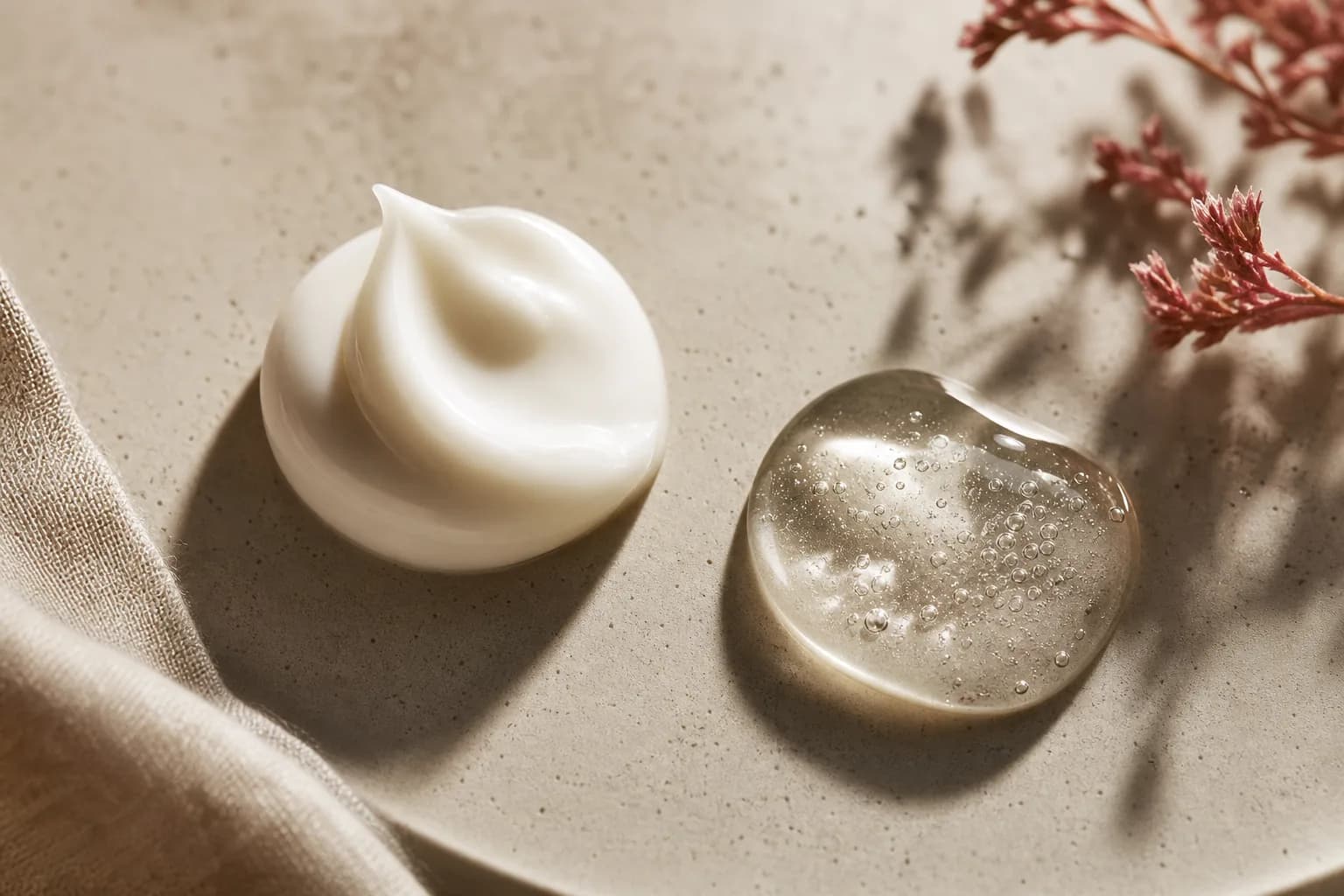
Texture and delivery determine how quickly an active hits its target and how forgiving it will be for sensitive or darker skin tones. Serums and ampoules are thinner, often water or hydroalcohol-based, and they deliver concentrated actives rapidly. Creams or lotions incorporate more emollients, which buffer actives and can reduce irritation but may dilute potency per pump. For hyperpigmentation, many K‐Beauty brands favor serum-first systems so you get an immediate active payload that you can then seal with a moisturizer.
Tradeoffs are practical: if you plan to layer a vitamin C derivative, low‐strength AHA and a retinoid eventually, a serum allows precise timing and drops dosing. If you’re starting with TXA plus niacinamide and have a compromised barrier, a cream with encapsulated derivatives or stable vitamin C esters can be easier to tolerate.
The table below helps you compare textures, typical actives and who each format suits.
| Format | Typical actives | Texture / delivery | Best for |
|---|---|---|---|
| Serum / ampoule | TXA, niacinamide, MAP, ethyl ascorbic acid | Lightweight, fast penetration | Oily/combination skin, targeted layering |
| Cream / lotion | Niacinamide blends, encapsulated vitamin C | Emollient, slower release | Dry, reactive skin or when irritation risk is high |
| Exfoliant serum (low AHA/BHA) | Glycolic/lactic, salicylic derivatives | Slightly acidic, thin | Post‐inflammatory pigment, textured skin |
The actives to prioritize in K‐Beauty for dark spots
Korean brightening products converge on several science‐backed families of ingredients. Tranexamic acid is a frequent K‐Beauty star for its targeted action on pigment mechanisms in topical use; niacinamide reduces pigment transfer and calms barrier stress; vitamin C derivatives such as MAP or ethyl ascorbic acid deliver stability in formulations; azelaic derivatives offer both anti‐inflammatory and pigment‐modulating effects. Low‐strength AHAs or BHAs are useful for exfoliating away pigmented keratinized skin but should be dosed conservatively to avoid rebound darkening in darker skin types.
When you evaluate ingredient lists, prioritize concentration clues (higher up the list suggests higher concentration), delivery form (serum vs cream) and stability notes (vitamin C derivatives vs L‐ascorbic acid). If you're shopping by use case, match the active to the pigment type: post‐inflammatory hyperpigmentation responds well to TXA and niacinamide combos plus gentle exfoliation, while sun‐darkened spots benefit from C‐derivatives with strict sun protection.
Consider reading our field guide on serums for dark spots for a clinical perspective: the best serum for dark spots: a clinical-first guide.
Layering and safe combinations for Korean brightening routines
Layering is where Korean routines shine—but it’s also where sensitivity and irritation can sabotage progress. A simple, high‐value routine for hyperpigmentation could look like: gentle cleanser, antioxidant serum (stable vitamin C derivative or TXA), targeted brightening ampoule (niacinamide or azelaic derivative), lightweight moisturizer, and broad‐spectrum SPF in the morning. Night can include the brightening serum plus a low‐strength AHA/BHA on alternating nights, or a retinoid as prescribed.
A practical layering sequence to test: apply thinnest-to-thickest textures with 30–60 seconds between hydrating layers to allow penetration. Avoid putting a low‐pH exfoliant directly under a pure vitamin C serum to reduce irritation. If you plan to introduce a retinoid, phase in the other actives slowly and never combine strong acids and high‐strength vitamin C on the same night.
- Cleanse with a gentle, non‐stripping formula.
- Apply water‐based active serums first (TXA, MAP, niacinamide).
- Seal with a moisturizer and finish with SPF in the morning.
How to work with post‐inflammatory hyperpigmentation and gentle exfoliants
Post‐inflammatory hyperpigmentation (PIH) often demands a calmer, measured approach compared with sun‐driven spots. Low‐strength chemical exfoliant serums—gentle AHAs like mandelic or lactic acid, or mild BHA concentrations—can help accelerate turnover without triggering new inflammation if used conservatively. The K‐Beauty market includes many exfoliant serums formulated at lower pH or buffered with hydrating ingredients to reduce irritation risk, which can be useful for darker skin tones prone to PIH.
Best practice: start with once or twice weekly use of a low‐strength AHA/BHA serum and monitor. If redness or stinging appears, reduce frequency and prioritize barrier repair. Consider alternating exfoliation nights with nights dedicated to calming brighteners like TXA or niacinamide. Throughout treatment, strict daily SPF is essential because UV exposure deepens existing pigment and undermines results; this aligns with clinical reminders to pair active treatments with sun protection.
If you need a stepwise plan that starts with SPF and layers in actives safely, see our routine plan: Treatment for Dark Spots on Face: A Smart, Stepwise Plan That Starts With SPF.
Where Korean offerings fit with prescription adjuncts
The smart move is to use K‐Beauty serums with supportive actives—niacinamide, TXA, vitamin C derivatives and gentle exfoliants—as the backbone of home care, and to treat prescription agents as time‐limited, clinician‐supervised accelerants rather than first resort.
Decision example: if a clinician prescribes tretinoin, shift your routine to a buffer model—use your K‐Beauty serum (niacinamide or TXA) in the morning, tretinoin at night on alternate nights at first, and a soothing cream to maintain barrier health. Avoid combining potent exfoliating acids on the same nights as tretinoin to minimize irritation and post‐treatment pigment rebound. For more on integrating tretinoin with brightening goals, our pragmatic timeline is helpful: Tretinoin Cream Before and After Dark Spots: The Realistic 6‐Month Guide.
Frequently Asked Questions
This section answers the most common buying and use questions about K‐Beauty approaches for dark spots: how to pick products, how to layer them, safety for darker skin tones and how to prioritize sun protection. The goal is to make your shopping efficient: choose by active first, then by texture and tolerance. Always introduce one new active at a time, patch test for sensitivity and keep SPF in place every morning. Below are concise answers to common practical questions.
How soon can I expect to see improvement in hyperpigmentation?
Expect patience: topical brightening routines typically require weeks to months to show visible change. Early signs—improved skin tone uniformity or reduced redness—may appear in 4–8 weeks, but more pronounced fading of established dark spots commonly takes 3–6 months with consistent use and strict sun protection.
Can I use tranexamic acid with vitamin C or niacinamide?
Yes, TXA generally pairs well with niacinamide and stable vitamin C derivatives in layered routines. The main caveat is to introduce combinations slowly so you can detect irritation. If using an active exfoliant or prescription retinoid, stagger night routines and avoid mixing multiple strong actives at once to reduce the risk of inflammation.
Are K‐Beauty brightening serums safe for darker Asian skin tones?
K‐Beauty formulas that favor gentler actives—niacinamide, TXA, vitamin C derivatives and low‐strength exfoliants—can be appropriate for darker Asian skin when introduced carefully. The key is to avoid over‐exfoliation, patch test new products, and maintain a robust daily sunscreen habit to prevent pigment worsening.
How important is SPF while treating dark spots?
SPF is essential. Most pigment‐reducing strategies work by suppressing pigment production or accelerating cell turnover, both of which are undermined by UV exposure. Use a broad‐spectrum sunscreen daily and reapply as needed; consider physical sunscreens or those formulated for face wear to maintain compliance.
Related Reading
- The best retinol for dark spots: a clinical-first guide
- The smart buyer’s guide to creams for dark spots on the face
- Dark spots serum: choose the right brightening formula
Sources
- Glow Coded — Best Korean Products for Dark Spots & Hyperpigmentation
- K‐Beauty editorial guides on brightening actives and layering
- Clinical reminders: sunscreen + patience (AAD guidance on hyperpigmentation)
Clear guidance, checked before publication.
Solvi articles are structured by our editorial team and reviewed for clarity, consistency, and responsible health language. We update pages when guidance or product information changes.

Jade Morgan
Makeup and Beauty Contributor. Jade loves the overlap between healthy-looking skin and makeup that works with it. She covers complexion products, prep, finish, and the techniques that make beauty routines feel more intuitive.