Best Eye Cream for Dry Skin and Wrinkles: The Formula-First Guide


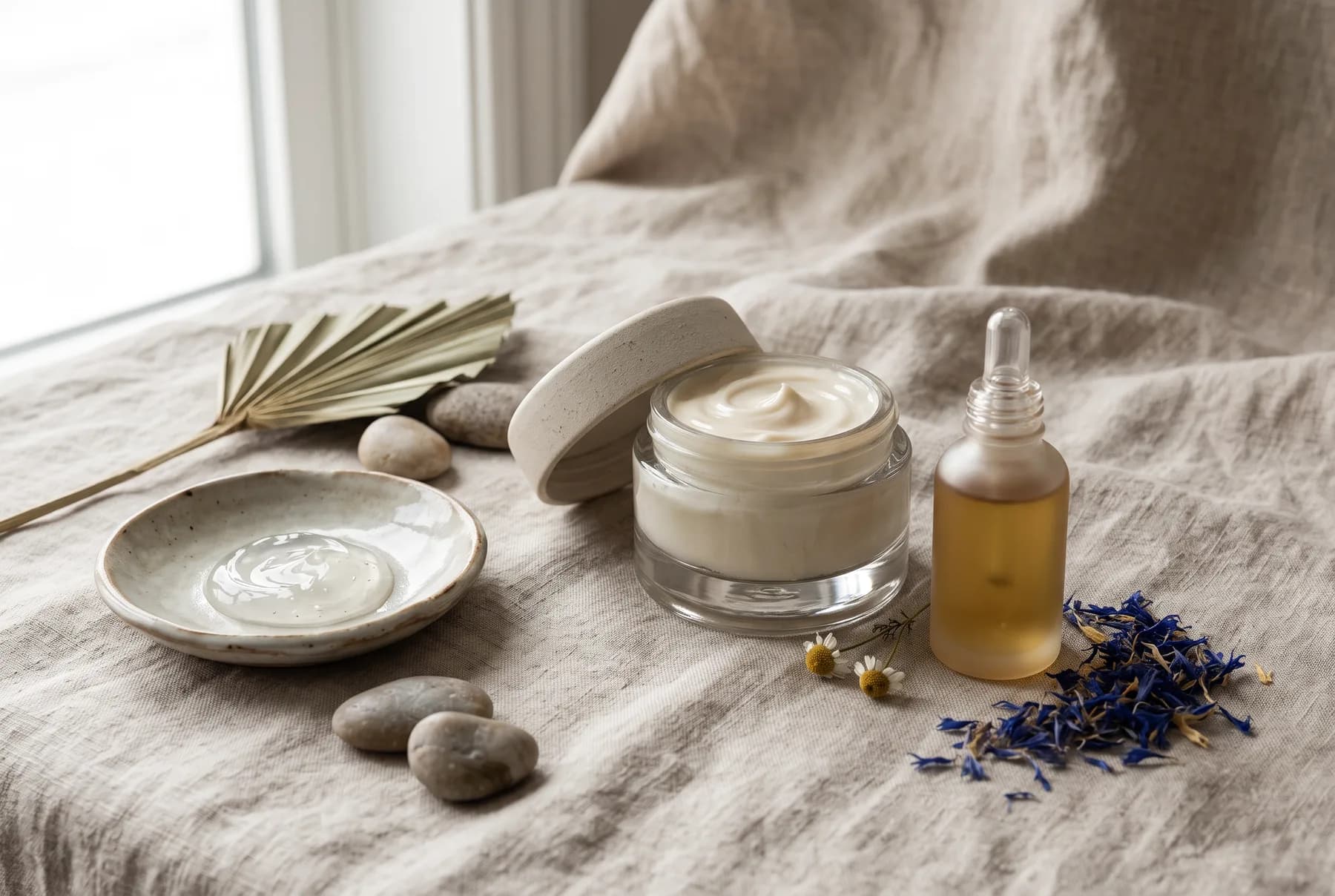
The best eye cream for dry skin and wrinkles is usually a fragrance-free, cushioning formula with humectants such as hyaluronic acid and glycerin plus ceramides; for wrinkle-focused care, consider a separate low-strength retinoid or retinal product at night only if the eye area tolerates it. A rich cream can make the skin around the eyes feel more comfortable immediately, while a stronger active asks for patience, a small dose, and careful placement.
There is no single winner for every under-eye concern. The smart buy is the formula whose texture, active ingredients, and testing claims fit your dryness level, sensitivity history, and willingness to use a retinoid slowly.
Why dry, lined eyes need a two-part strategy
The eye area often makes a skincare routine’s weak points obvious: a light gel may disappear before dry skin feels comfortable, while an aggressive wrinkle treatment may be too much for a delicate perimeter. Think of your purchase as two jobs. First, help the area hold onto moisture and feel cushioned; second, decide whether a wrinkle-focused ingredient belongs in your routine.
For many people, that means a barrier-minded cream in the morning and a different treatment at night. It is not an invitation to layer every active at once. It is a way to separate comfort and cosmetic wear from the more deliberate pace of a retinoid routine.
The concern to prioritize first
Use your most persistent concern to set the shopping order:
- Choose hydration first when the area feels tight, looks flaky, or makeup catches on dry texture.
- Choose a low-strength retinol or retinal format when wrinkle care is the priority and you already know your skin can tolerate retinoids.
- Choose a peptide-and-humectant formula when you want a gentler, active-feeling middle ground for sensitive or mature skin.
- Choose a cooling gel texture when puffiness is the leading concern, while recognizing that a gel alone may not feel sufficient on very dry skin.
Dark circles are a separate shopping question. A richly hydrating eye cream can improve the look of dryness around the eye, but it is not automatically the right format for every cause of under-eye darkness.
How to shop for an eye cream that addresses dryness and wrinkles

Start with the ingredient list and the product’s use instructions, not with “anti-aging” printed on the front. Your ideal formula should tell a coherent story: water-binding ingredients for hydration, lipids for a more supported-feeling barrier, and—only if wanted—an active aimed at fine lines.
The ingredients worth putting on your shortlist
| What you want from the formula | Ingredients or format to look for | Best fit | Trade-off to consider |
|---|---|---|---|
| A more hydrated, comfortable feel | Hyaluronic acid and glycerin | Dry or dehydrated eye area; daytime layering | A very light gel may not provide enough richness alone |
| Barrier-focused moisture | Ceramides in a cream or balm-cream | Dry, sensitive-feeling, or mature skin | Dense textures may feel too emollient under some makeup |
| A gentle wrinkle-care route | Peptides with humectants and emollients | Retinoid-cautious shoppers | This is a different approach from a retinoid formula |
| A dedicated nighttime active | Low-strength retinol or retinaldehyde with rich emollients | Fine lines, with established retinoid tolerance | Requires slow introduction and careful placement |
| A low-fuss sensitive-skin option | Fragrance-free, ophthalmologist-tested formula | Easily reactive eye areas | It may prioritize comfort over a high-intensity active |
Hyaluronic acid and glycerin are humectants: they support hydration by drawing water into the formula’s overall moisture story. Ceramides make particular sense when dryness is paired with a compromised-feeling barrier, because they complement the richer cream textures that tend to suit a parched eye contour.
Translate texture into a realistic routine
Texture is not a superficial preference—it determines whether you will use the product consistently and whether it plays well with concealer or sunscreen. A bouncy gel-cream suits someone who dislikes residue but needs more comfort than a water-light serum. A classic cream suits dry skin that wants slip and cushion; a balm-cream is best reserved for those who genuinely enjoy a richer finish.
Before buying, review these practical criteria:
- Look for fragrance-free when your eye area is easily irritated or you have a history of dermatitis.
- Prefer ophthalmologist-tested language when eye sensitivity is part of your decision.
- Pick a pump or narrow tube if you want portion control; a jar can be perfectly workable when used with clean hands.
- Read whether the product is intended for the eyelid, under-eye area, or orbital bone only, especially when retinoids are involved.
- Match the finish to your makeup habits: a plush cream can be ideal at night, while a lighter cream may be easier beneath daytime makeup.
Choose the formula lane that fits your skin
A useful “best of” list is less helpful than a clear lane. These three formula types cover most dry-skin-and-wrinkle shopping decisions, without asking one tiny product to do every conceivable job.
The everyday cushioning cream
This is the strongest starting point for dry, sensitive, or retinoid-new eye areas. Look for hyaluronic acid, glycerin, and ceramides in a fragrance-free cream, then use it as your dependable AM layer and, if needed, as a non-active PM option.
It is also the most logical choice if your current eye concern is comfort: makeup settling, seasonal tightness, or an under-eye area that seems to need more moisture than the rest of the face. The trade-off is that a barrier-focused cream may not satisfy someone who specifically wants a dedicated retinoid step.
The low-strength retinoid or retinal night cream
For shoppers focused on wrinkles, a low-strength retinol or retinaldehyde eye product paired with rich emollients is the more targeted category. Its strength is focus, not speed: introduce it cautiously and let the rest of the routine stay uncomplicated.
This format works best for someone who understands their retinoid tolerance and can commit to a nighttime-only routine. It is a poor match for an eye area that is currently stinging, persistently red, or otherwise reactive.
The peptide eye serum or gel-cream
This is the elegant compromise for sensitive mature skin or anyone who wants a less rich daytime feel. Seek peptides alongside humectants, then seal with a plain moisturizer if the eye area remains dry. A serum can be a useful layer, but it is not automatically enough moisture on its own.
Build an AM-PM eye cream plan

The most polished routine is deliberately brief. Daytime emphasizes hydration and compatibility with sunscreen and makeup; nighttime is where you decide whether to use a dedicated wrinkle-care active.
Morning
- Apply a small amount of your hydrating eye cream to clean skin around the orbital bone.
- Let the texture settle before applying facial moisturizer and sunscreen.
- If you wear makeup, use a thin layer first and add only a little more where dryness tends to show through.
Evening
- Cleanse gently, then pat the surrounding area dry without rubbing.
- On retinoid nights, use the low-strength eye treatment in the amount and placement directed on its label; keep it out of the eyes.
- On non-retinoid nights, use your ceramide or peptide-focused cream for a simpler moisture-focused finish.
- If persistent stinging, redness, or ocular symptoms develop, discontinue the product rather than trying to push through discomfort.
Starting slowly matters more than buying the most ambitious-looking formula. Patch-test near the forearm before moving any new product toward the eye area, particularly if you have had dermatitis or reactions to skincare in the past.
How to avoid common eye cream missteps
Most disappointment comes from a mismatch, not a bad product. A dry eye contour treated only with a light gel may still feel dry; an eye area sensitive to fragrance or retinoids can become less comfortable when pushed too hard.
Skip or rethink the product if
- It causes persistent redness, stinging, or ocular symptoms.
- A retinoid formula is migrating too close to the lash line or getting into the eye.
- You are adding several new actives at once and cannot tell what your skin is reacting to.
- The texture pills under sunscreen or concealer despite using a smaller amount and allowing it to settle.
Avoid treating more product as better product. The eye contour needs only a small amount, and a formula’s directions should guide how close to the eye it is meant to go. If the area is sensitive, a straightforward fragrance-free, ophthalmologist-tested moisturizer may be the more valuable purchase than a high-activity formula.
A faster buying checklist
Bring this list to the product page or shelf. It turns a vague search for the “best” eye cream into a decision you can actually make.
- For dry skin: choose glycerin or hyaluronic acid plus ceramides in a cream, not just a thin serum.
- For wrinkles: consider low-strength retinol or retinal at night only, provided you tolerate retinoids and will introduce it slowly.
- For sensitive eyes: prioritize fragrance-free and ophthalmologist-tested options, then patch-test before use around the eyes.
- For puffiness and a lighter feel: consider a gel-cream, but layer or switch to a richer cream if dryness persists.
- For makeup wear: choose a lighter cream or gel-cream in the morning and save the most emollient texture for evening.
Related reading
- Eye Creams for Mature Skin: How to Choose
- Eye Treatments for Fine Lines: What Works
- Best Cream for Fine Lines: Day and Night Guide
Frequently asked questions
Should I use a separate eye cream if my face moisturizer is already rich?
A face moisturizer may be enough if it feels comfortable around the orbital bone and does not sting. A separate eye cream is most useful when you want a texture designed for that area, a fragrance-free option, or a dedicated low-strength wrinkle-care active.
Is retinol or retinal better for dry skin around the eyes?
Either category calls for caution near the eye area. If you choose one, look for a low-strength formula with rich emollients, start slowly, keep it out of the eye, and discontinue use if persistent irritation occurs.
Can I use a peptide eye serum and a ceramide cream together?
Yes, this can be a sensible pairing for someone who wants a lightweight peptide layer followed by more cushioning moisture. Use a small amount of each, and simplify the routine if the area becomes uncomfortable.
What should sensitive skin look for in an eye cream?
Look for fragrance-free and ophthalmologist-tested formulas, along with a moisture-focused ingredient profile such as humectants and ceramides. Patch-test near the forearm before periocular use, especially with a new active.
Sources
- Cleveland Clinic — choosing eye creams
- American Academy of Dermatology — moisturizers and sensitive skin guidance
- Park Dermatology — dermatologist guidance on periocular treatments
Clear guidance, checked before publication.
Solvi articles are structured by our editorial team and reviewed for clarity, consistency, and responsible health language. We update pages when guidance or product information changes.

Zoe Mitchell
Beauty Trends Editor. Zoe follows fast-moving skincare launches and trends, adding the context readers need before trying them.