The best cleanser for mature skin: a barrier-first guide


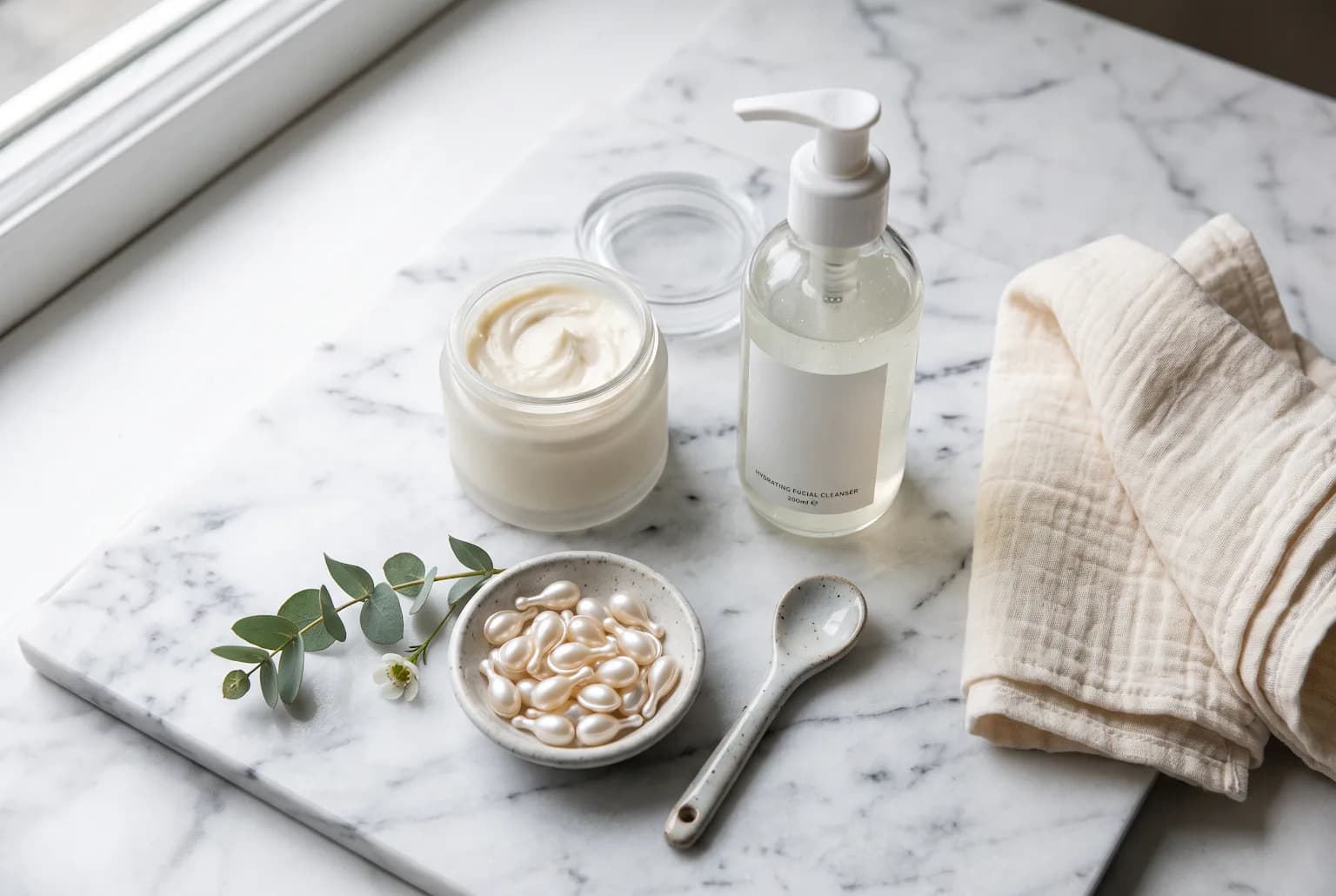
The best cleanser for mature skin is a hydrating cream or gel‐cream that removes dirt and makeup while preserving surface lipids and moisture. Look for ceramides, glycerin or hyaluronic acid, and niacinamide; when you wear heavy or long‐wear makeup, begin with an oil or balm and follow with a gentle hydrating second cleanse.
A barrier-first approach — minimal foaming surfactants, humectants, and occlusives where needed — prevents the tightness and susceptibility to irritation that can follow aggressive cleansing. Below you’ll find practical tradeoffs by format, exact ingredients to prioritize and to avoid, a shopping checklist, and step-by-step removal for heavy makeup.
How mature skin changes the cleanse
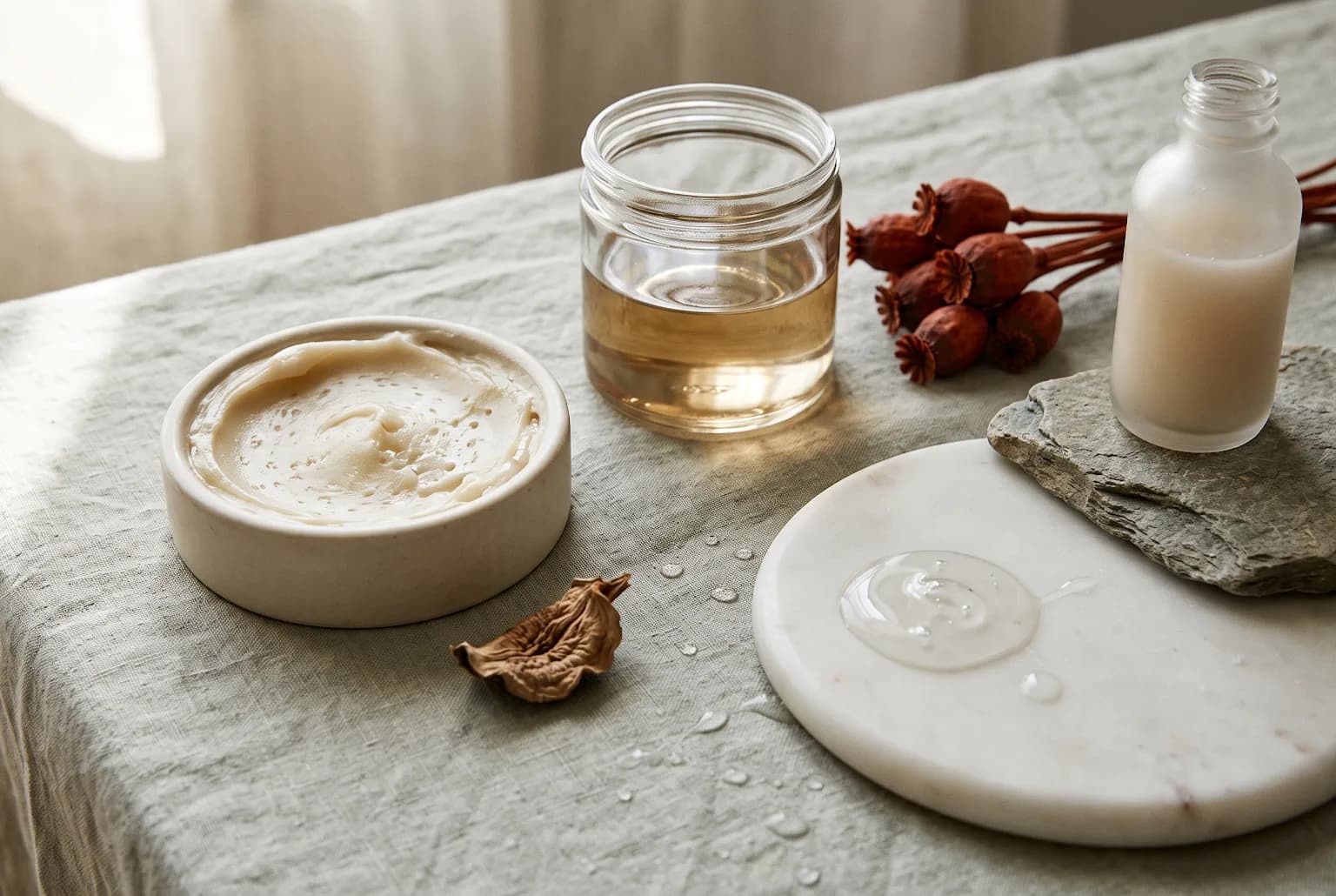
Aging skin typically becomes thinner, drier, and less able to retain water; sebum production often decreases, so aggressive, foaming cleansers that strip oils can leave mature skin feeling tight and compromised. The goal is to remove surface debris and environmental pollutants without depleting ceramides and fatty acids that keep the barrier intact. For many people with mature skin, a single, brief hydrating cleanse at night is sufficient, while a gentle refresh in the morning avoids over‐stripping.
Texture matters: a dense, creamy lather signals strong surfactants that may be harsh; a low‐foam gel‐cream or lotion tends to be kinder. If you have combination skin, zone‐targeting helps — a lightweight gel‐cream in oilier T‐zone areas and a cream in drier cheeks. Consider frequency: exfoliating cleansers or high‐strength acids should be used sparingly, as frequent abrasion can accelerate barrier thinning. When shopping, favor formulas that list barrier supports (ceramides, fatty acids, cholesterol) and hydrating humectants near the top of the ingredient list.
Formats and who they suit
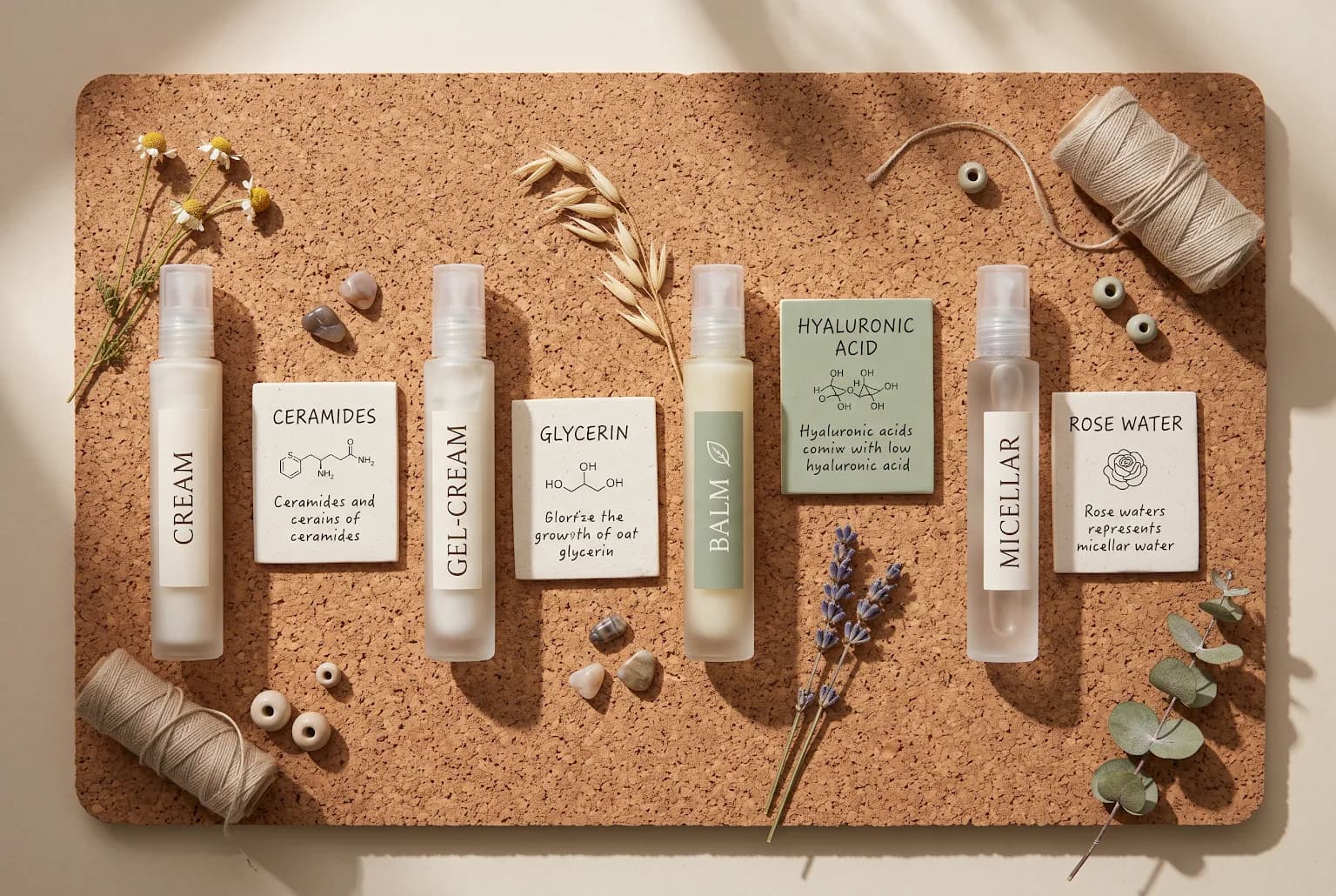
Different formats address cleansing needs without compromising hydration; each has tradeoffs in texture, makeup removal, and layering.
| Format | Texture and feel | Best for | Tradeoffs | Typical actives to look for |
|---|---|---|---|---|
| Cream/lotion | Rich, emollient; low foam | Very dry, sensitive, mature skin | May feel heavy in humidity; can leave slight film | Ceramides, glycerin, fatty esters |
| Gel‐cream | Lightweight, dewy | Combination to dry; quick rinsers | Some gels can include drying surfactants — read labels | Hyaluronic acid, glycerin, mild amphoteric surfactants |
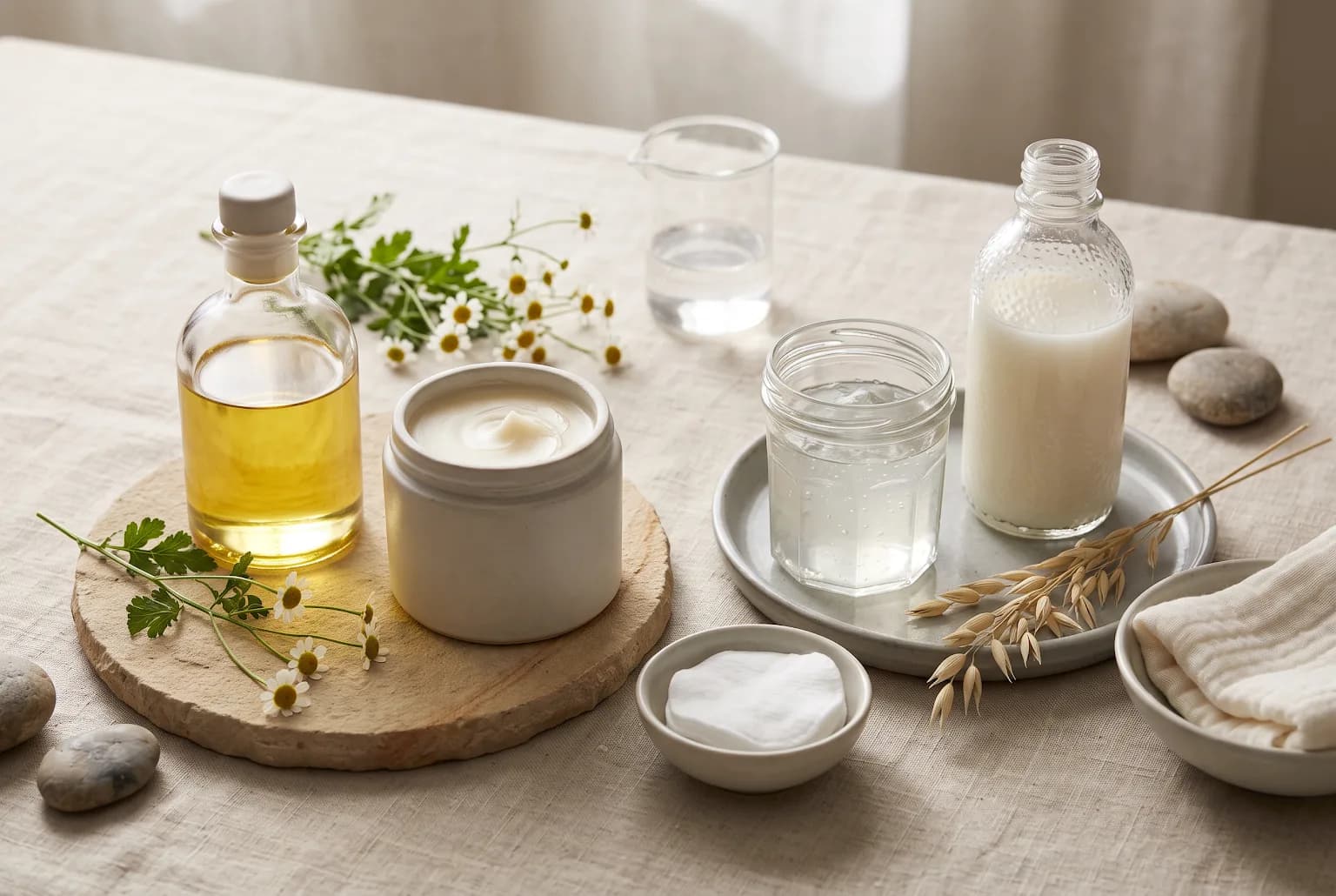
| Oil/balm | Rich, slip‐forward removal of makeup | Heavy or waterproof makeup wearers | Needs follow‐up hydrating cleanse to remove residue | Natural oils, esters; inert emulsifiers |
| Micellar water | No‐rinse convenience | Quick touch‐ups, light makeup | Not a full cleanse for sunscreen or heavy makeup | Mild surfactants, glycerin |
Value tradeoffs: oil/balm formats give the best mechanical removal of long‐wear color, but they add a step. Gel‐creams like the category exemplar Neutrogena Hydro Boost Cleansing Gel (hyaluronic-acid‐oriented) provide a lift of hydration with a lighter rinse, while cream cleansers such as CeraVe Hydrating Cleanser (ceramide‐forward) prioritize barrier lipids. If you favor minimal steps, choose a slightly emollient gel‐cream and adapt technique rather than texture.
Ingredients to prioritize
When evaluating labels for the best cleanser for mature skin, use concrete criteria: a hydrating base, barrier supports, and gentle surfactants. Humectants such as glycerin and hyaluronic acid attract and hold water at the surface, producing that supple, dewy feel after rinse. Barrier lipids — ceramides, fatty acids, and cholesterol analogs — help the skin repair itself and resist transepidermal water loss.
Niacinamide is a useful multifunctional ingredient: it supports barrier lipids and can brighten tone without the risk of irritation that stronger actives may bring. Mild non‐ionic or amphoteric surfactants clean without foaming dramatically; these are kinder than strong anionic detergents. For combination skin that ages, a gel‐cream with hyaluronic acid plus a low‐foam surfactant gives balance: it removes oils from the T‐zone while leaving cheeks hydrated.
Decision criteria checklist: prioritize humectants, then ceramides/niacinamide, then mild surfactants. Reserve exfoliating acids or enzyme cleansers for once or twice weekly use rather than daily.
Ingredients to avoid
Mature skin responds poorly to repeated exposure to drying alcohols, high‐strength surfactants, and fragrance — anything that increases irritation or compromises the barrier. Denatured alcohols and certain small‐molecule solvents can evaporate water and strip protective oils, accelerating dryness and sensitivity. Highly fragranced formulas elevate the risk of contact irritation for aging, thinner skin.
Harsh physical scrubs and frequent, aggressive chemical exfoliation should be avoided or used sparingly; repeated abrasion and acid work can thin the stratum corneum. Also be cautious with foaming claims: a thick, bubbly lather often comes from stronger sulfates or detergents. For combination skin with aging concerns, prioritize mild surfactants and limit acid cleansers to targeted use (for example, once weekly) rather than everyday.
If you have very dry or reactive skin, skip formulas that list alcohol or perfume within the first five ingredients and prefer cream or oil formats. Watch labels for sodium lauryl sulfate, isopropyl alcohol, or parfum near the top of the list.
- Avoid strong sulfates (e.g., SLS) listed high on labels
- Skip denatured alcohol and parfum in the first five ingredients
- Limit physical scrubs and daily high‐strength acid cleansers
Layering and routine
A practical, barrier‐first routine for mature skin focuses on two priorities: remove what you must, then restore. If you wear sunscreen or long‐wear makeup, begin with an oil or balm to melt product away; emulsify thoroughly and remove with a soft cloth or warm water. Follow with a hydrating second cleanse — a cream or gel‐cream — to clear residual oil and gently cleanse the surface.
Morning cleansing can be abbreviated: a quick splash and light hydrating cleanser or simply a micellar water in very dry climates can prevent over‐cleansing. Pair your cleanser choice with an appropriate moisturizer: heavier creams at night and a gel‐cream or light emulsion for daytime. For guidance on choosing a complementary face cream, see The best face cream for mature skin: an ingredient-first buyers’ guide. If you’re balancing oilier zones, this can dovetail with the recommendations in Best Face Moisturizer for Combination Skin: The Smart Gel-Cream Guide.
Technique matters: lukewarm water, short massage time (no more than 30–60 seconds), and a gentle pat dry. After cleansing, a humectant‐forward toner or lightweight essence can begin rehydration; our Best Facial Toner for Mature Skin guide has direction on ingredient selection.
Shopping checklist and decision grid
When you stand in front of a shelf or open a product page, run through a quick decision grid: skin type, makeup habits, preferred texture, and budget. Examples help translate those criteria:
- If you wear waterproof mascara and long‐wear lipstick nightly: choose an oil or balm remover that lists inert emulsifiers so it rinses clean; expect to follow with a cream or gel‐cream second cleanse.
- If you’re very dry and sensitive: pick a cream or lotion cleanser emphasizing ceramides and minimal fragrance, and rinse minimally with lukewarm water.
- If you’re combination and prefer one product: a low‐foam gel‐cream with hyaluronic acid or glycerin can be the best compromise.
Price versus ingredient density: expensive packaging or a luxe scent doesn’t equate to barrier support. Look for active ingredient listings and packaging that protects hyaluronic acid or niacinamide from light and air. For real examples that map to these buckets, the research brief lists categories you’ll recognize: CeraVe Hydrating Cleanser for ceramide support, Neutrogena Hydro Boost Cleansing Gel for hyaluronic‐led hydration, and oil/balm removers like the classic Eve Lom type for heavy makeup. Choose the format that matches how much product removal you need and how much time you want to spend.
How to remove heavy makeup gently
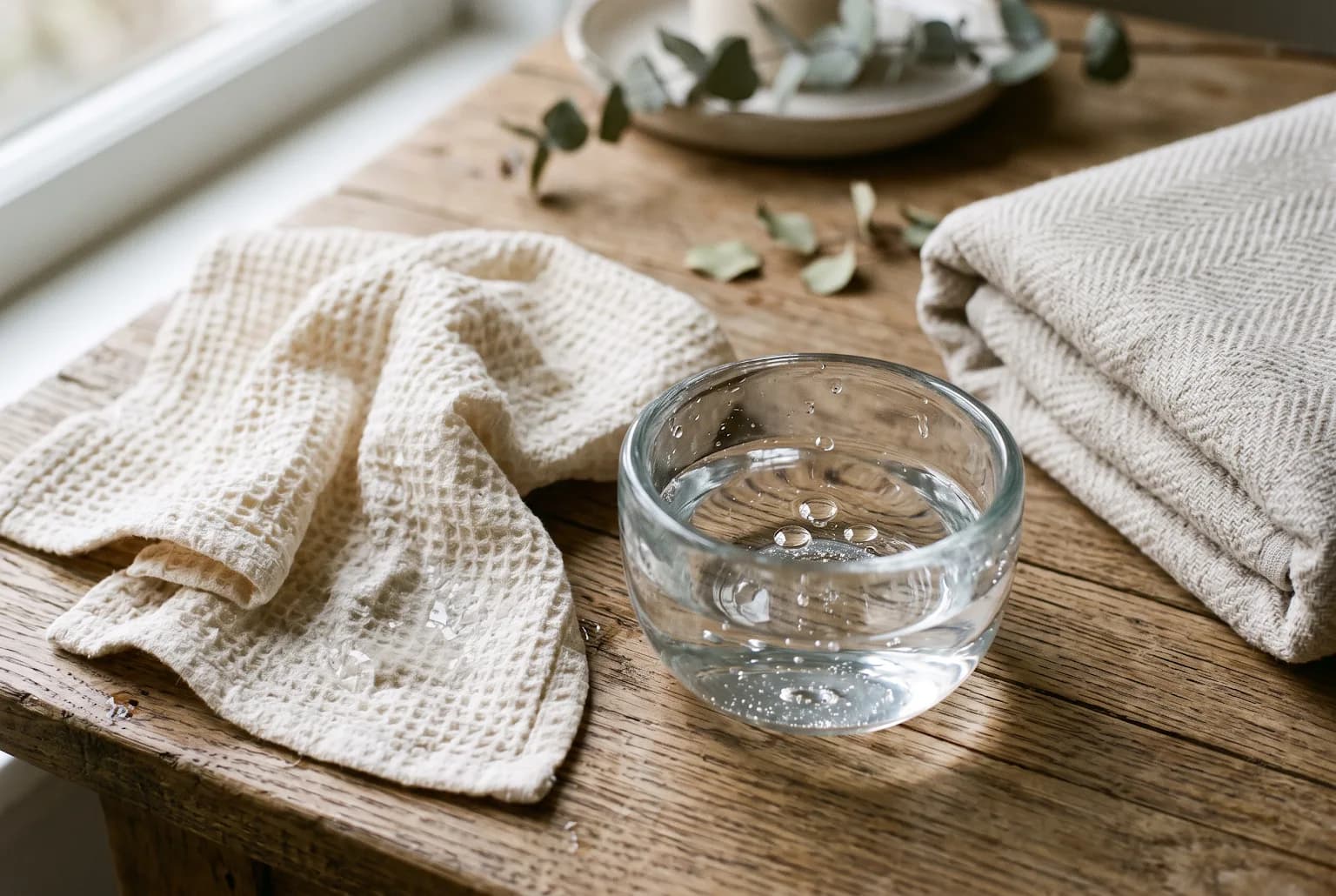
Step 1: Start with an oil or balm. Scoop a small amount and warm between fingertips. Massage over dry skin to dissolve pigments and sunscreen; this mechanical action dislodges stubborn formulas without friction. Emulsify with a splash of lukewarm water, then either rinse or wipe away gently with a soft cloth.
Step 2: Double‐cleanse. Follow with a hydrating cream or gel‐cream to remove residual oil and surface debris. This second step ensures that occlusive residues don’t trap impurities and lets humectants restore moisture immediately after cleansing.
Step 3: Minimal pat dry and follow with a humectant serum or toner, then a barrier‐focused moisturizer. If you use active treatments (retinoids, acids), apply them after the skin has had time to rehydrate and build back a surface layer to limit irritation.
Practical examples: if time is limited, use a cleansing balm that contains inert emulsifiers and follow with a lightweight gel‐cream; if you prefer a single step, choose a cream‐to‐micellar hybrid but accept a slightly less thorough removal of heavy makeup.
Frequently asked questions
What texture of cleanser is best for mature skin?
A hydrating cream or gel‐cream is usually best for mature skin because it removes impurities without stripping lipids. Creams offer more emollience for very dry skin, while gel‐creams balance hydration with a lighter rinse for combination types. For heavy makeup, start with an oil or balm followed by a hydrating second cleanse.
Can I use an exfoliating cleanser if my skin is mature?
Yes, but sparingly. Frequent, strong exfoliation can thin aging skin further and increase sensitivity. Reserve exfoliating cleansers with acids or scrubs for once or twice weekly use and prioritize enzymatic or gentle chemical options. Always follow with hydrating and barrier-repair products.
Are foaming cleansers bad for mature skin?
Not inherently; it depends on the surfactants. Many foaming products use strong sulfates that can be drying. If you prefer a foaming texture, read labels for gentler surfactants and include humectants and ceramide‐like lipids in the formula. Otherwise, low‐foam gel‐creams and creams are safer bets.
How should I layer cleansers if I wear sunscreen daily?
Double‐cleanse in the evening: oil or balm to break down sunscreen and makeup, then a hydrating follow‐cleanse to remove residue and reset the barrier. In the morning, a gentle rinse or light hydrating cleanse is usually sufficient to remove sweat and surface oils without over‐stripping.
Related Reading
- The best face cleansers for sensitive skin: a barrier-first guide
- Best Shaving Cream for Sensitive Skin: The Low-Irritation Shopping Guide
- The best retinol for mature skin: a barrier-first guide
Sources
- Glamour — dermatologist‐approved cleansers for aging skin (https://www.glamour.com/story/best-facial-cleansers-for-aging-skin)
- Prevention — best cleansers for mature skin (https://www.prevention.com/beauty/skin-care/g61838452/best-cleansers-mature-skin/)
- Allure — picks and rationale for hydrating cleansers (https://www.allure.com)
Clear guidance, checked before publication.
Solvi articles are structured by our editorial team and reviewed for clarity, consistency, and responsible health language. We update pages when guidance or product information changes.

Sofia Marin
Skincare Routine Editor. Sofia is always refining the order, timing, and purpose of a skincare routine. She likes practical systems that are easy to repeat and quick to adjust when skin changes.