
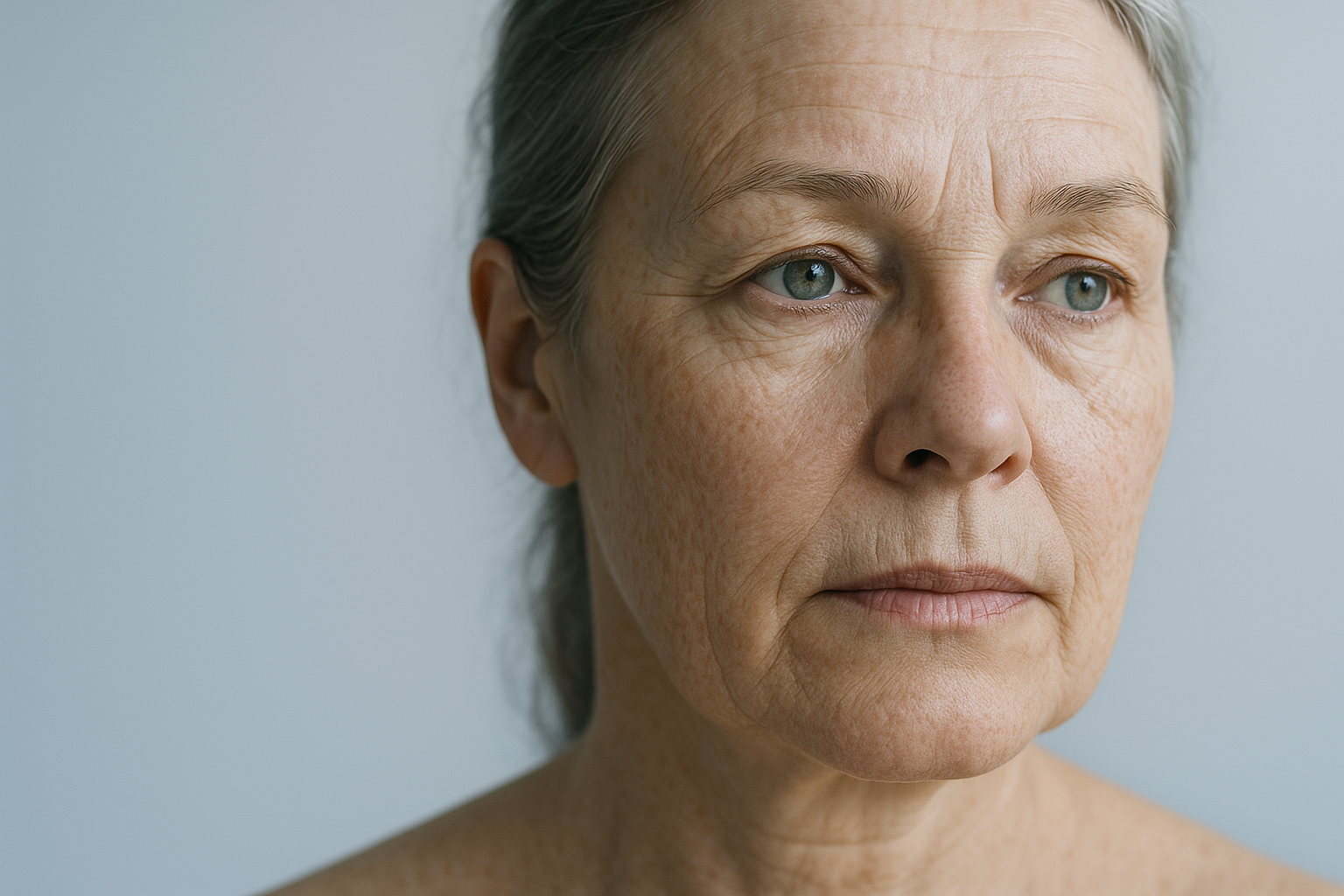
Best Moisturizer for Mature Skin: A concise answer
Short answer: For mature skin, the best moisturizer is a well‐formulated cream that combines skin‐barrier lipids (ceramides and fatty acids), humectants (glycerin or hyaluronic acid), and an occlusive (like dimethicone or petrolatum) when needed — plus a gentle antioxidant or niacinamide for tone and tolerance. Match texture (cream vs lotion vs ointment) to how dry or oily your skin is, and always use sunscreen in the morning. Evidence shows this combination restores hydration and barrier function more reliably than a single ingredient alone. (ncbi.nlm.nih.gov)
Why mature skin needs a different moisturizer
Mature skin tends to be drier and thinner because aging reduces natural lipids, sebum, and the skin's ability to hold water. This leads to increased transepidermal water loss (TEWL), more visible fine lines, and greater sensitivity. Objective studies and clinical reviews support the use of lipid‐restoring and humectant‐containing leave‐on products to improve barrier function and reduce dryness in older adults. (pubmed.ncbi.nlm.nih.gov)
Key ingredients to look for (and why they matter)
Ceramides and skin lipids — core structural repair
What the evidence says: Ceramides, cholesterol, and free fatty acids are the major lipids in the stratum corneum. Restoring these lipids supports lamellar structure and barrier recovery; randomized and comparative studies have shown ceramide‐containing creams can improve skin hydration and lipid organization in older skin. For barrier repair, look for products that list multiple ceramide types or "ceramide complex" on the label. (pmc.ncbi.nlm.nih.gov)
Interpretation: Ceramide‐rich moisturizers are one of the most evidence‐backed choices to reduce xerosis in mature skin. They're not a cosmetic panacea, but they reliably improve dryness and decrease barrier fragility.
Humectants — glycerin, hyaluronic acid, urea
What the evidence says: Humectants attract and retain water in the stratum corneum. Glycerin and hyaluronic acid are widely used and have clinical support for improving hydration in dry, aged skin. Urea at low‐to‐moderate concentrations combines humectant and keratolytic properties and can help thicker or scaling dry patches. (ncbi.nlm.nih.gov)
Practical note: Humectants work best when a gentle occlusive follows (see below) so the water they draw in isn't lost again.
Occlusives and emollients — dimethicone, petrolatum, oils
What the evidence says: Occlusives form a surface film that reduces TEWL. Petrolatum is among the most effective occlusives; dimethicone provides a lighter, non‐greasy barrier and is often better tolerated on the face. Emollients (fatty acids, esters) smooth rough skin and fill fissures between corneocytes. Combining occlusives with ceramides and humectants gives the most consistent hydration benefit. (ncbi.nlm.nih.gov)
Niacinamide, peptides, and antioxidants — supportive, not miraculous
Evidence: Niacinamide (vitamin B3) has clinical data supporting improvements in skin barrier function, uneven tone, and the look of fine lines. Peptides and topical antioxidants (vitamin C/E, certain plant polyphenols) may support collagen signaling or protect against oxidative stress, but many peptide and antioxidant claims vary by formulation and concentration. Large molecules (some peptides, growth factors) may not penetrate deeply; clinical effects are generally subtler than procedural options. (dermnetnz.org)
Caveat: Peptides and proprietary complexes can be useful adjuncts, but expect modest changes and choose products with demonstrated formulation quality rather than relying on marketing claims. (dermnetnz.org)
What about retinoids and acids?
Role: Prescription retinoids and OTC retinol are the best topical evidence‐based options for reducing fine lines and improving texture long‐term, but they can irritate dry or sensitive mature skin. Pairing retinoids with a good moisturizer and introducing them slowly reduces irritation. Regulatory guidance (FDA labeling and prescription information) emphasizes using moisturizers and gentle cleansers to reduce local irritation. (accessdata.fda.gov)
Practical approach: If you use retinoids, apply moisturizer first or immediately after the retinoid (techniques vary by product and patient tolerance) and start with lower frequency (every other night) to judge tolerance. When in doubt, consult a dermatologist for a prescription strength or buffered formulation.
Choosing the right texture and formulation
Dry, very dry, or winter skin
Recommendation: Choose a richer cream or ointment with occlusives (petrolatum, dimethicone), ceramides, and humectants. Ointments are most occlusive and best for severely xerotic face or areas of cracking. Evidence shows occlusive + humectant + lipid combinations provide superior barrier repair. (pmc.ncbi.nlm.nih.gov)
Normal to combination mature skin
Recommendation: Lightweight creams or richer lotions with ceramides, hyaluronic acid, glycerin, and non‐comedogenic emollients often balance hydration with acceptable cosmetic feel. Dimethicone can provide a smooth finish without clogging pores.
Oily or acne‐prone mature skin
Recommendation: Use non‐comedogenic, oil‐free or gel‐cream formulations focused on humectants (hyaluronic acid, glycerin) and lightweight ceramide complexes. Avoid heavy occlusive oils that may worsen comedones.
Sensitive or rosacea‐prone mature skin
Recommendation: Prioritize products labeled for sensitive skin with minimal fragrance and proven soothing ingredients (niacinamide, glycerin, panthenol). Patch test new products and introduce one product at a time. If you have rosacea, check with a dermatologist before layering actives. (dermnetnz.org)
How to layer moisturizer with serums, retinoids, and sunscreen
Morning routine (basic)
- Gentle cleanser. 2. Antioxidant serum (optional). 3. Lightweight hydrating serum (hyaluronic acid) if desired. 4. Moisturizer. 5. Broad‐spectrum sunscreen SPF 30+ — sunscreen is the single most important anti‐aging intervention. Use a moisturizer that sits comfortably under sunscreen. (aad.org)
Evening routine (basic)
- Gentle cleanser. 2. Retinoid or active treatment (if using) — or hydrating serum on nights without retinoid. 3. Follow with moisturizer to reduce irritation and support barrier repair. For retinoid introduction, start every‐other‐night or less, and increase as tolerated. (accessdata.fda.gov)
Evidence and practical tips on layering
Evidence suggests that using a moisturizer in conjunction with potentially irritating actives reduces local adverse effects, and humectant/occlusive combinations improve skin hydration better than single ingredients alone. Mixing actives in the same application can increase irritation risk, so introduce slowly. (ncbi.nlm.nih.gov)
Shopping checklist — how to read labels
Short checklist
-
Texture: cream/ointment for dry; lightweight cream or gel‐cream for oily/combination.
-
Look for: ceramides (or "ceramide complex"), glycerin or hyaluronic acid, occlusive (dimethicone or petrolatum) if very dry, niacinamide if tolerated.
-
Avoid or test: fragrance, high‐strength acids, or botanical extracts if you have sensitive skin.
-
Non‐comedogenic labeling helps for acne‐prone mature skin, but ingredient list matters more than marketing terms.
Red flags and when to see a board‐certified dermatologist
Worsening symptoms that need evaluation
See a dermatologist if you have: sudden or severe worsening of dryness or redness; persistent itching that does not improve with emollients; broken skin, bleeding, painful cracks; recurrent infections or weeping skin; or if topical products cause severe burning or blistering. These can suggest dermatitis, eczema, infection, or other skin conditions needing prescription treatment. (dermnetnz.org)
When to seek specialized care for aging concerns
If you want to combine anti‐aging actives (prescription retinoids, medical‐grade chemical peels, or in‐office procedures) with topical care, a board‐certified dermatologist can recommend a safe sequence and monitor for irritation or pigmentary changes. Dermatologists can also evaluate pigmented lesions or skin cancers — remember sunscreen and regular skin checks remain essential. (aad.org)
FAQ
Can a cream erase wrinkles?
No. Moisturizers can plump the skin temporarily (reducing the appearance of fine lines by improving hydration) and support barrier repair, but topical creams cannot reproduce the structural changes produced by procedures like lasers or injectables. Retinoids are the most evidence‐based topical option to improve fine lines over time, but changes are gradual and vary by individual. (aad.org)
Should I use facial oil if my skin is mature and dry?
Facial oils can be helpful as emollients to soften skin and reduce TEWL, especially layered over a humectant and ceramide‐containing cream. Choose non‐comedogenic oils if you are acne‐prone. Oils alone may not restore the lipid architecture as effectively as formulated ceramide creams. (pmc.ncbi.nlm.nih.gov)
Are "anti‐aging" ingredients like peptides worth it?
They can be a useful adjunct; some peptides have clinical data suggesting modest benefits for skin texture and wrinkle appearance when delivered in stable formulations. Expect subtle results compared with procedural treatments; quality formulation, concentration, and vehicle matter. (dermnetnz.org)
Practical routine examples (two options)
Minimalist morning (dry to normal mature skin)
- Gentle cleanser; hyaluronic acid serum; ceramide + glycerin cream; broad‐spectrum sunscreen SPF 30+. (aad.org)
Night (with retinoid, for tolerant skin)
- Cleanser; retinoid (start every other night); wait if needed per product directions; apply a ceramide + occlusive moisturizer to reduce irritation. Adjust frequency based on tolerance and dermatologist guidance. (accessdata.fda.gov)
Sources
This guidance is based on reviews and clinical resources on moisturizers, aging skin, and topical agent safety:
-
American Academy of Dermatology — How to pick the right moisturizer for your skin. (aad.org)
-
StatPearls/NCBI — Moisturizers overview (humectants, occlusives, emollients). (ncbi.nlm.nih.gov)
-
A global perspective on the treatment and maintenance of mature skin (PMC): review of moisturizers and ceramide evidence. (pmc.ncbi.nlm.nih.gov)
-
Vehicles for Drug Delivery and Cosmetic Moisturizers: Review and Comparison (PMC). (pmc.ncbi.nlm.nih.gov)
-
DermNet NZ — Emollients, peptides, and aging skin considerations. (dermnetnz.org)
Quick takeaways
-
Look for a moisturizer that combines ceramides (lipid repair), humectants (glycerin or hyaluronic acid), and an occlusive when needed. (pmc.ncbi.nlm.nih.gov)
-
Match texture to your skin type and introduce active anti‐aging treatments slowly to reduce irritation. (accessdata.fda.gov)
-
Sunscreen remains the most important single anti‐aging measure — use it every morning. (aad.org)
If you'd like, I can: 1) create a short shopping checklist tailored to oily, dry, or sensitive mature skin; 2) draft a 6‐week introduction plan for adding retinoids plus moisturizer; or 3) review an ingredient list for a moisturizer you're considering and point out strengths and potential irritants.
SOLVI SKIN ANALYSIS